Your Trusted PLC & DCS Supplier!
100% Original, Ready to Ship!

Hima DCS Modules/

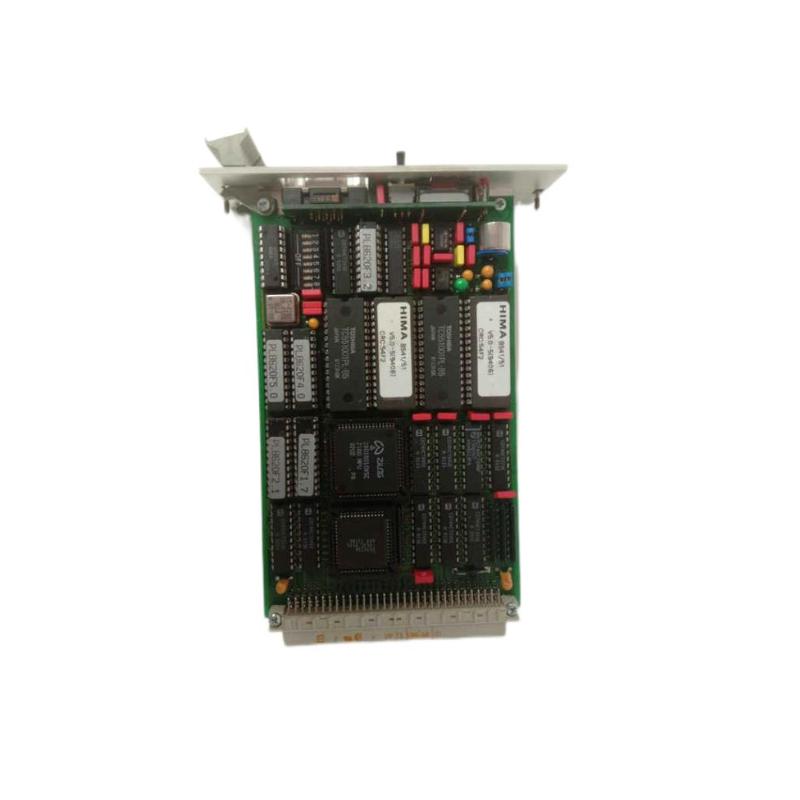
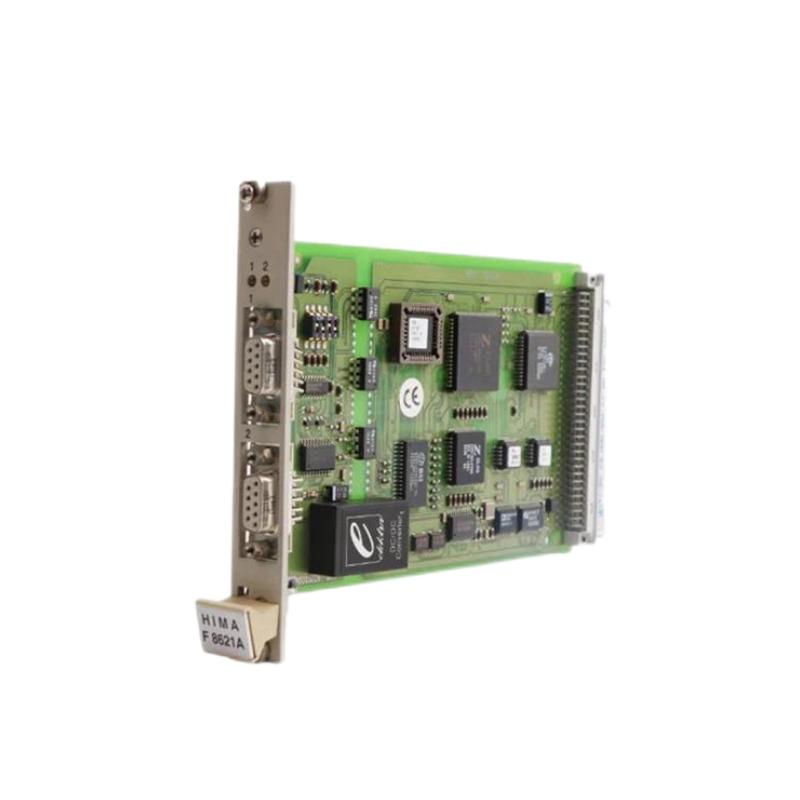
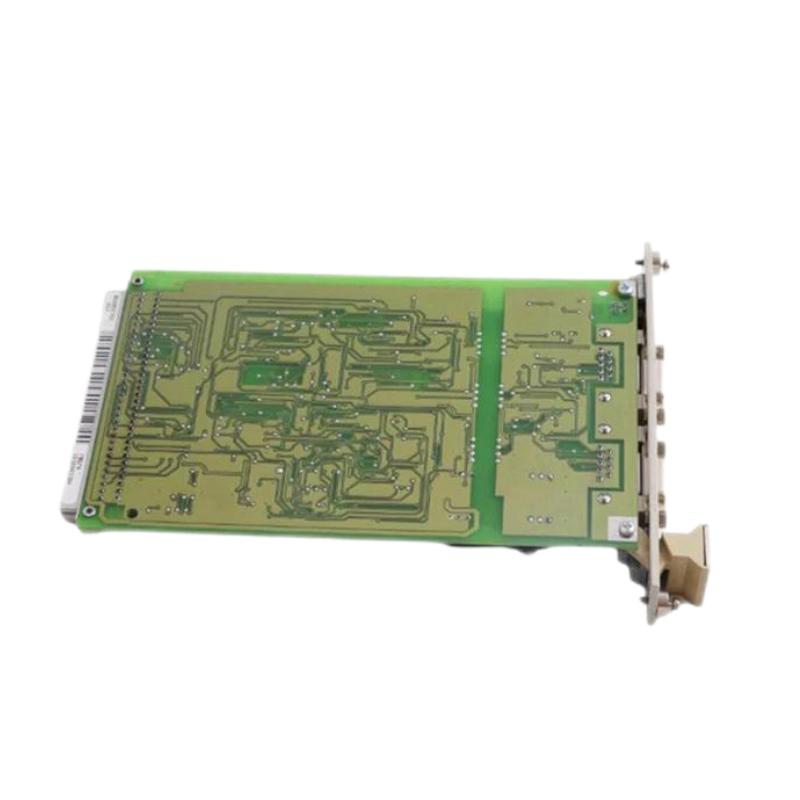
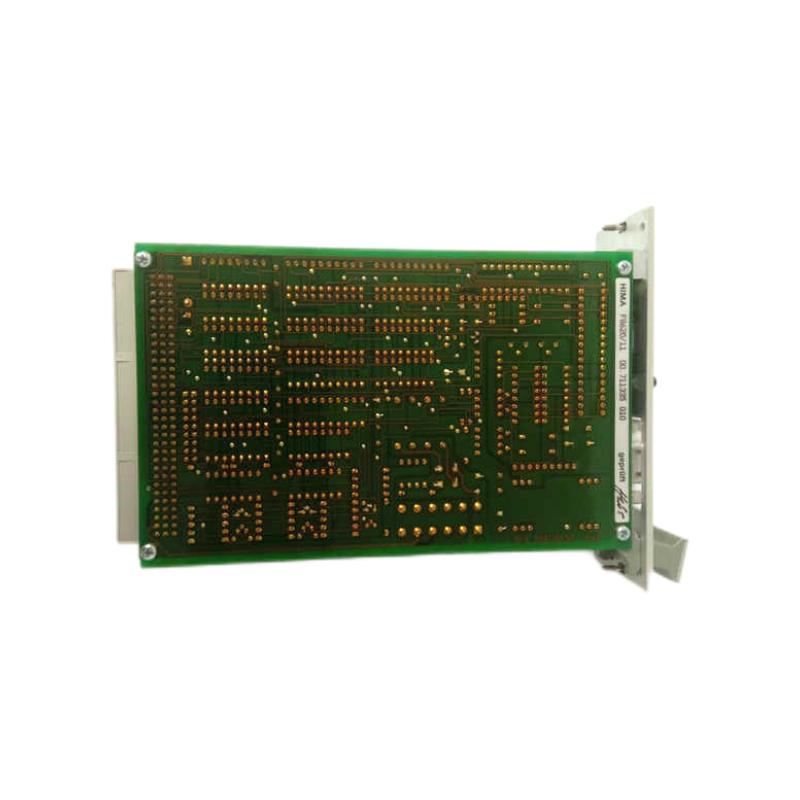
HIMA F8620/11 Central Processing Unit (CPU Module)

Brand:Hima DCS Modules
Item No.:F8620/11
Product Origin:Germany
Product Dimensions:160 × 100 × 130 mm
Product Weight:1kg
Payment:T/T, Western Union, Credit Card
Goods_stock:15
Shipping Port:Xiamen, China
Lead Time:1-3 Days
Condition:Brand New And Original
Warranty:1 Year
Certificate:COO
Evaluation:

0.0
Points

  • Product Details
  • Product Applications
  • Product Advantages
  • Technical FAQs
  • Contact

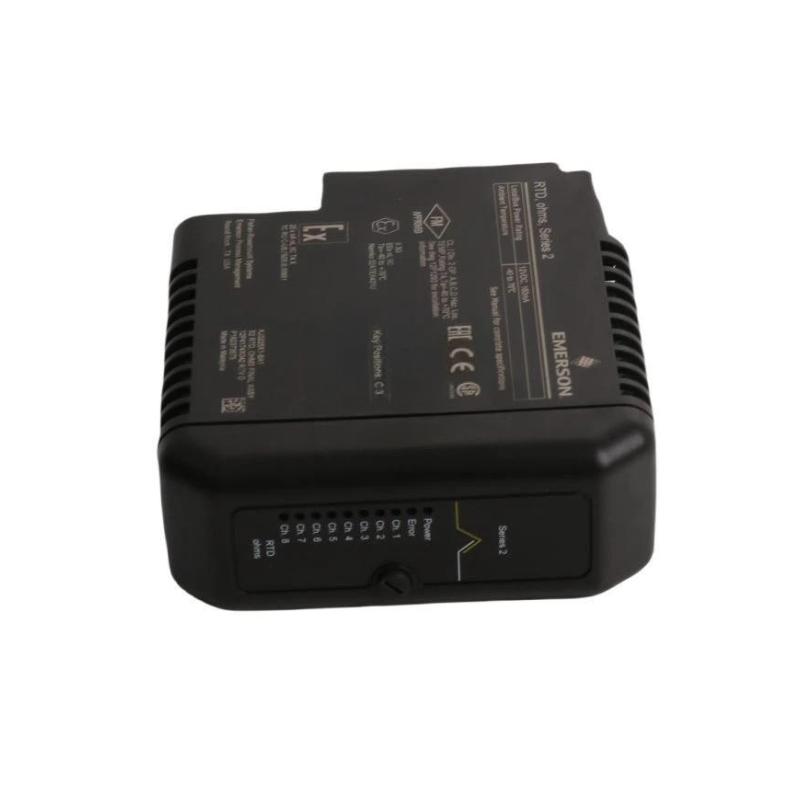
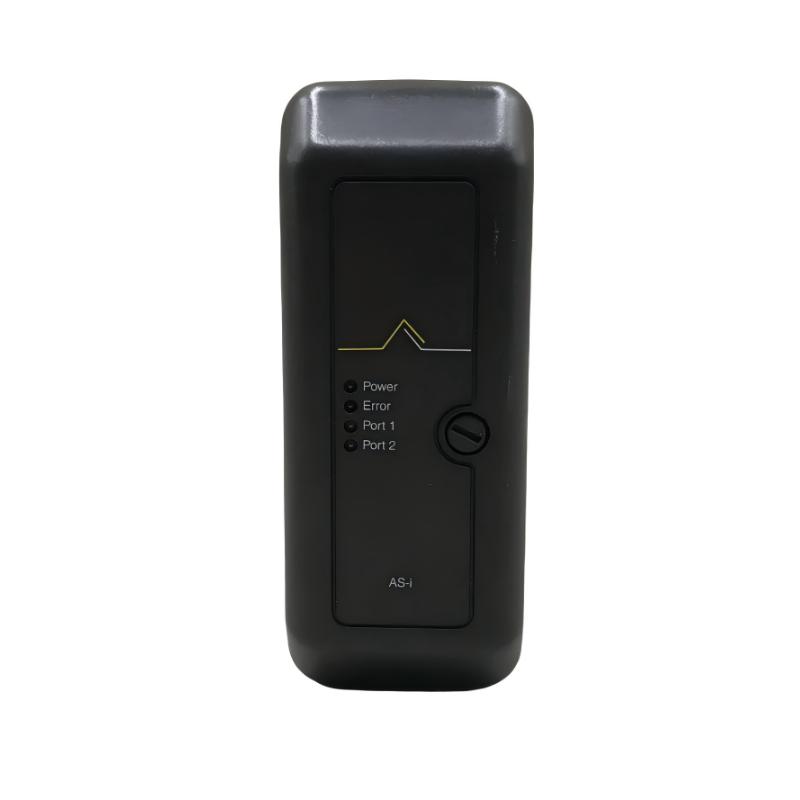
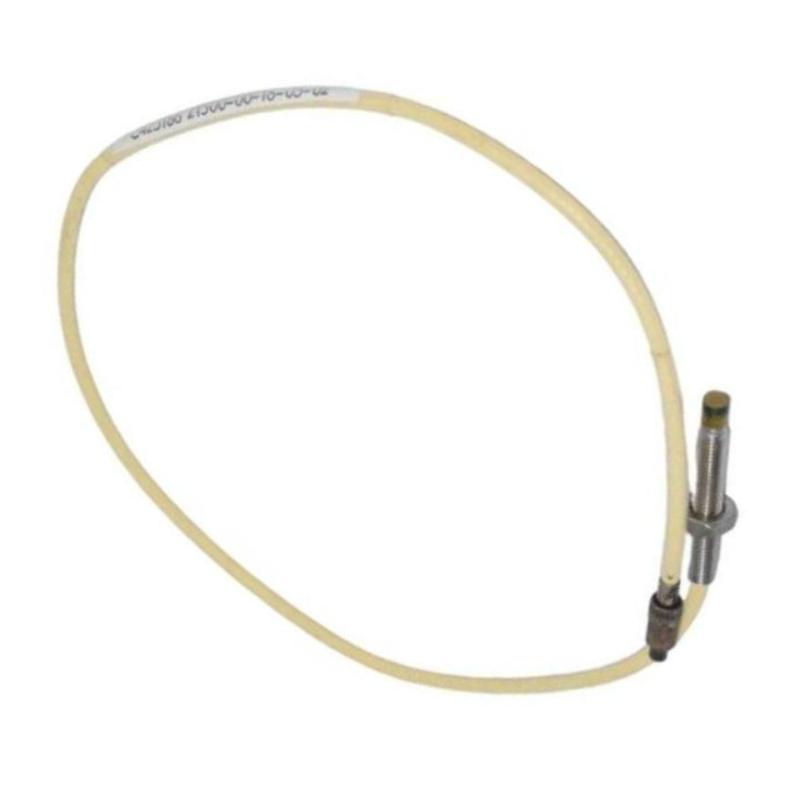
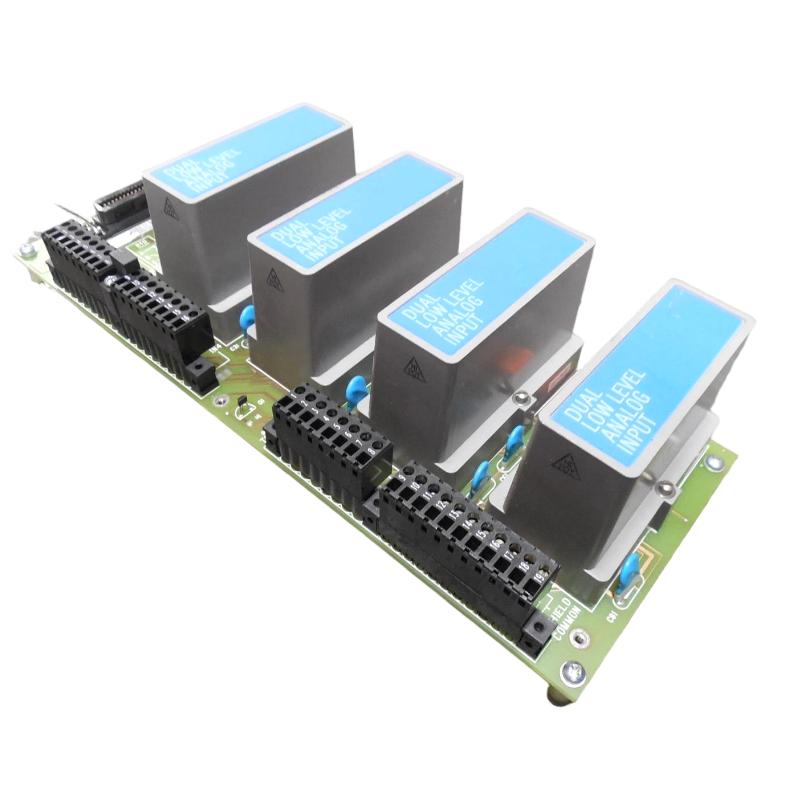
HIMA F8620 11-1HIMA F8620 11-4HIMA F8620 11-2HIMA F8620 11-3

Product Overview

The HIMA F8620/11 Central Processing Unit is a high‑integrity core controller designed for use in HIMA Planar F safety and alarm system architectures. Engineered for mission‑critical industrial processes, this CPU module delivers deterministic logic evaluation, robust redundancy support, and advanced diagnostics to ensure maximum system availability. Its architecture is optimized for applications where safe operation and rapid fault response are essential, such as petrochemical facilities, power plants, and large‑scale automation environments.


Technical Specifications & Physical Data

SpecificationDetails
ModelF8620/11
Product TypeCentral Processing Unit (CPU) Module
System FamilyHIMA Planar F (Safety & Alarm Systems)
Logic PerformanceDeterministic execution with safety integrity
Communication InterfacesRedundant system buses, network ports
Supported I/ODependent on connected carriers and modules
MemoryIndustrial grade with safety‑oriented architectures
Redundancy SupportFully supported for dual CPU configurations
DiagnosticsOnboard and networked fault reporting
MountingRack / chassis compatible
Operating Temperature0 °C to +60 °C (32 °F to 140 °F)
Storage Temperature−20 °C to +70 °C (−4 °F to 158 °F)
Relative Humidity5–95 % non‑condensing
Protection RatingIndustrial control enclosure compatibility


Application Areas

The HIMA F8620/11 CPU is widely used in industrial systems where safety, reliability, and deterministic behavior are critical. Key application areas include:

  • Safety Instrumented Systems (SIS): High‑integrity logic for protective functions

  • Alarm Management: Central coordination of alarm conditions and operator alerts

  • Process Automation: Continuous plants such as refining, chemical, and LNG facilities

  • Power Generation: Turbine and grid monitoring with safety interlocks

  • Large Manufacturing Systems: High‑speed sequencing and fault response

Its design ensures dependable CPU performance across a broad range of industrial environments.


Advantages

  • Deterministic Safety Logic: Ensures predictable behavior even under complex fault scenarios

  • Redundant Architecture Support: Designed for dual‑CPU and high‑availability configurations

  • Robust Diagnostic Capabilities: Provides real‑time status and detailed error reporting

  • Industrial‑Grade Reliability: Built to withstand harsh environments typical of process industries

  • Scalable Integration: Works with modular I/O carriers and instruments for flexible system design

These advantages make the F8620/11 CPU an excellent choice for systems requiring high safety integrity and operational uptime.


Technical FAQs

  1. What is the primary role of the F8620/11 CPU?
    It serves as the central logic processing unit for HIMA Planar F safety and alarm systems, executing deterministic control and safety logic.

  2. Does this CPU support redundant operation?
    Yes, it is designed for high‑availability installations with redundant CPU configurations.

  3. What industries typically use this module?
    Oil & gas, chemical processing, power generation, and any environment that requires safety‑oriented automation.

  4. How are I/O channels supported?
    I/O support depends on the carriers and modules connected to the CPU in the system rack.

  5. Does the CPU provide diagnostics?
    Yes, it supports both local and network‑based diagnostics with real‑time status.

  6. Is programming required for deployment?
    Yes, logic and configuration are defined through compatible engineering tools.

  7. Can it be serviced without system downtime?
    In redundant architectures, maintenance can typically occur without interruption; however, procedures depend on system design.

  8. What environmental conditions is it rated for?
    Industrial operating temperatures and humidity ranges without condensation.

  9. Does it interface with modern industrial networks?
    Yes, redundant communication interfaces support integration with plant control and safety networks.

  10. How does it enhance alarm responsiveness?
    Deterministic execution and real‑time status evaluation ensure prompt alarm handling.


Sales and Business Development

Phone: +8617350837383
E-mail: [email protected]
Skype: +8617350837383
WhatsApp: +8617350837383
Business hours: We Provide Online Support 24/7
Address: Room 1001, Jiuzhou Commercial Building, Xiamen, Fujian Province, China

Leave a message