Introduction
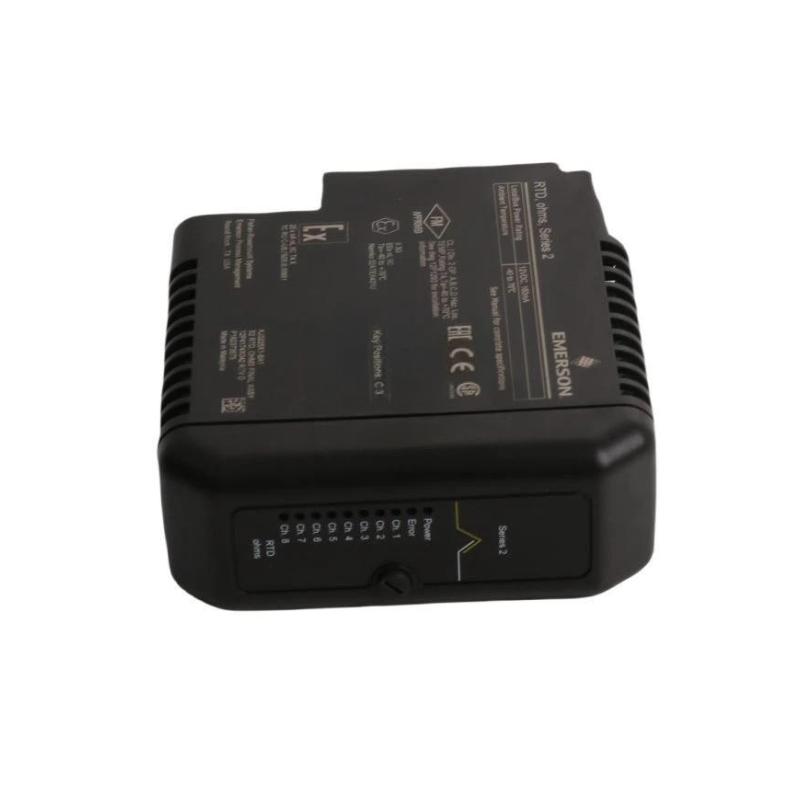
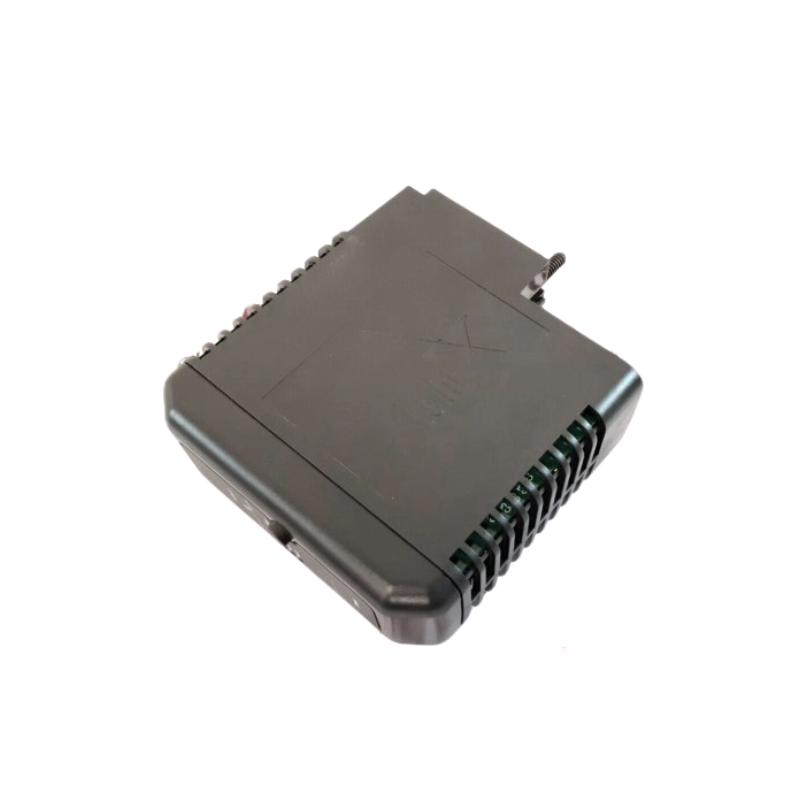
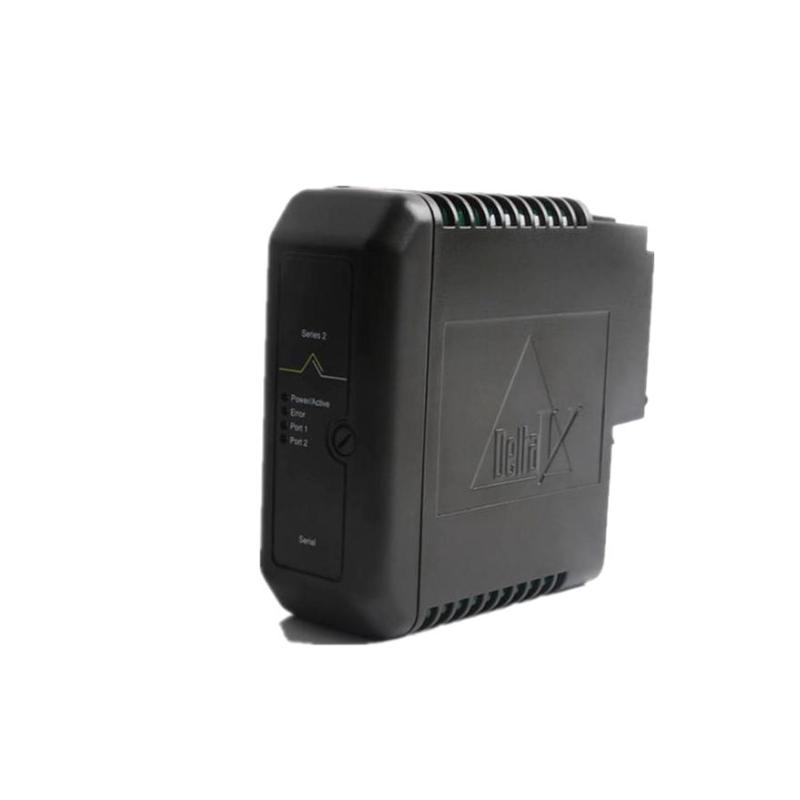
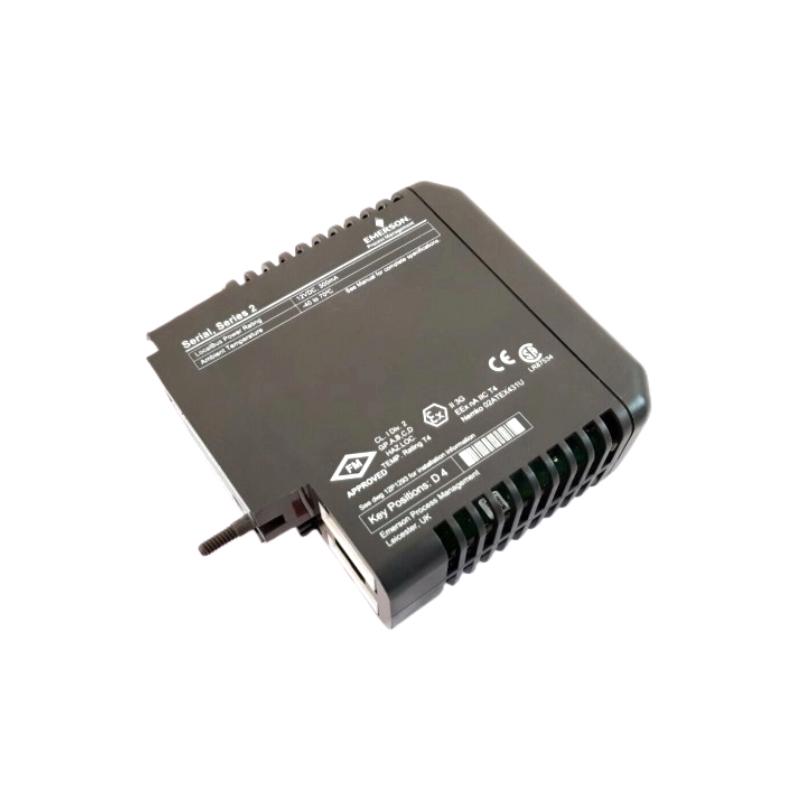
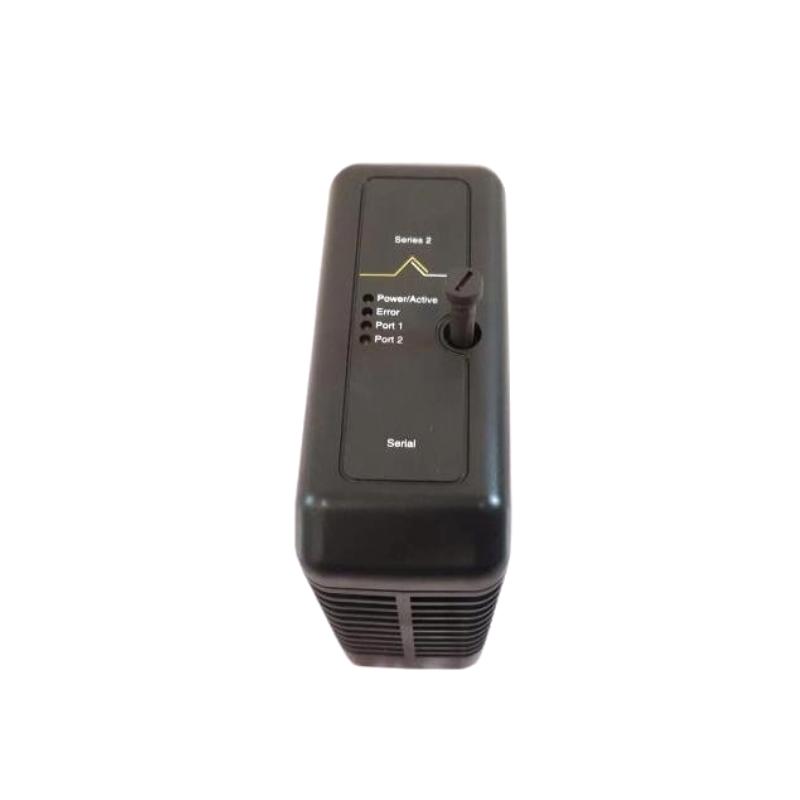
The Emerson VE4006P KJ3241X1-BA1 12P2506X042 Serial Interface Module is a purpose-built communication interface engineered to bridge serial devices and modern process automation networks. Designed for high reliability in industrial environments, this module enables seamless data exchange between legacy serial instruments and Emerson control systems. Its robust performance and proven integration make it a strategic choice for facilities transitioning from standalone devices to unified automation architectures.
With emphasis on signal integrity and system resilience, the VE4006P Serial Interface Module supports mission-critical communication paths while simplifying commissioning and long-term serviceability—helping engineers reduce integration complexity without compromising operational confidence.
Technical Specifications
| Specification | Details |
|---|
| Model | VE4006P KJ3241X1-BA1 |
| Part Number | 12P2506X042 |
| Module Type | Serial Interface Module |
| Communication Ports | Dual isolated serial ports |
| Supported Protocols | Industry standard serial protocols* |
| System Compatibility | Emerson distributed control and PLC systems |
| Mounting | Standard I/O carrier or chassis mount |
| Environmental Rating | Designed for harsh industrial conditions |
| Power | Supplied through system backplane |
Applications
The VE4006P Serial Interface Module excels wherever legacy serial devices must communicate reliably with modern control and monitoring systems. It serves as an essential link between field instruments and central controllers in environments that cannot fully replace older assets but require centralized data flow.
Typical application scenarios include:
-
Integration of serial flow meters, analyzers, and field instruments
-
Communication gateway between RS-232/RS-485 devices and automation networks
-
System modernization projects in oil & gas, chemical, and utility sectors
-
Data acquisition from legacy sensors in DCS and PLC architectures
-
Bridging remote terminal units and central control for supervisory systems
Its stable serial communication makes it indispensable for hybrid architectures that blend old and new technologies.
Advantages
-
Reliable Connectivity: Supports consistent data transfer between serial devices and control systems
-
Flexibility: Dual ports enable multiple device connections or protocol segregation
-
Industrial Durability: Built for vibration- and temperature-challenged environments
-
Simplified Integration: Standardized interface reduces engineering effort
-
Scalable Deployment: Suitable for both greenfield installations and phased upgrades
These advantages help plant engineers balance modernization goals with existing infrastructure realities.
Technical FAQs
-
What is the primary role of this module?
It provides industrial serial communication between field devices and Emerson control architectures.
-
How many serial interfaces does it support?
Typically two isolated serial ports.
-
Which serial physical layers are supported?
Support includes common industrial serial standards such as RS-232 and RS-485, depending on configuration.
-
Is protocol translation included?
Protocol handling is dependent on system software and configuration; the module provides the physical and electrical interface.
-
Can the module be mounted in standard I/O racks?
Yes—its design aligns with Emerson I/O chassis and carrier standards.
-
Does it require external power?
No—power is supplied through the system backplane.
-
Is it suitable for continuous operation?
Yes—engineered for 24/7 industrial use.
-
Can it be part of a redundant communication network?
Redundant architectures can be supported when planned at the system level.
-
What diagnostics are available?
Communication status and fault information are available through the host control system.
-
Can this module support multiple device types?
Yes—engineers can connect diverse serial field instruments, subject to electrical and protocol compatibility.
 A DCS Q Co., Ltd. - PLC and DCS Industrial Control Equipment Wholesale