Product Introduction
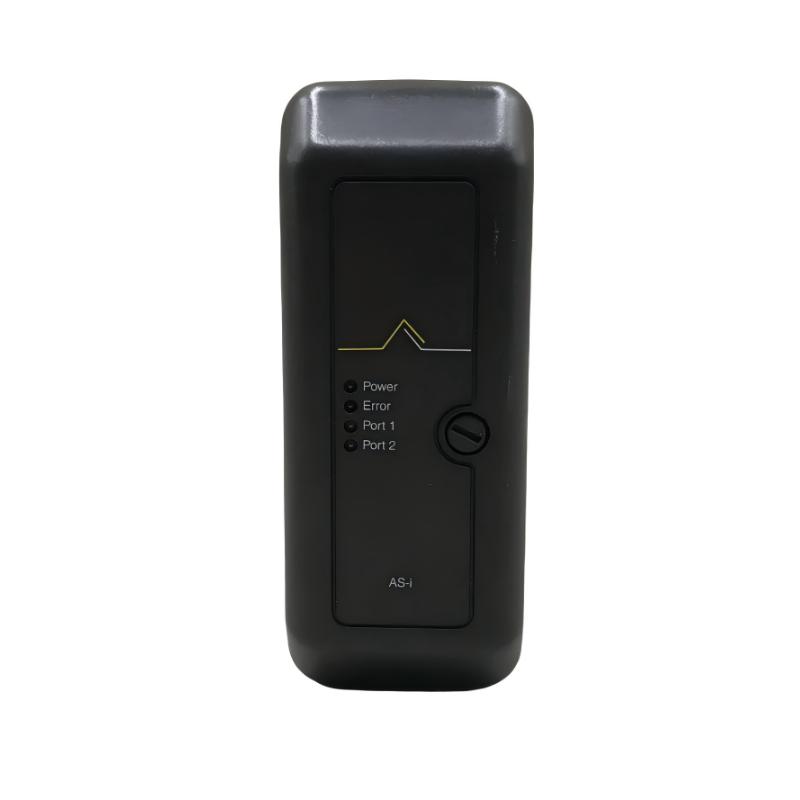
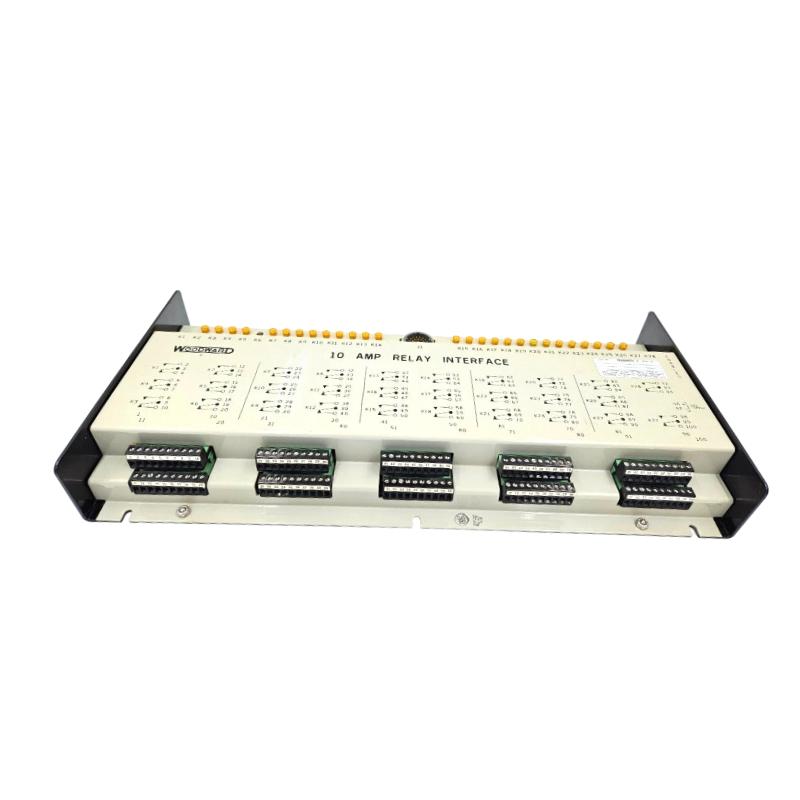
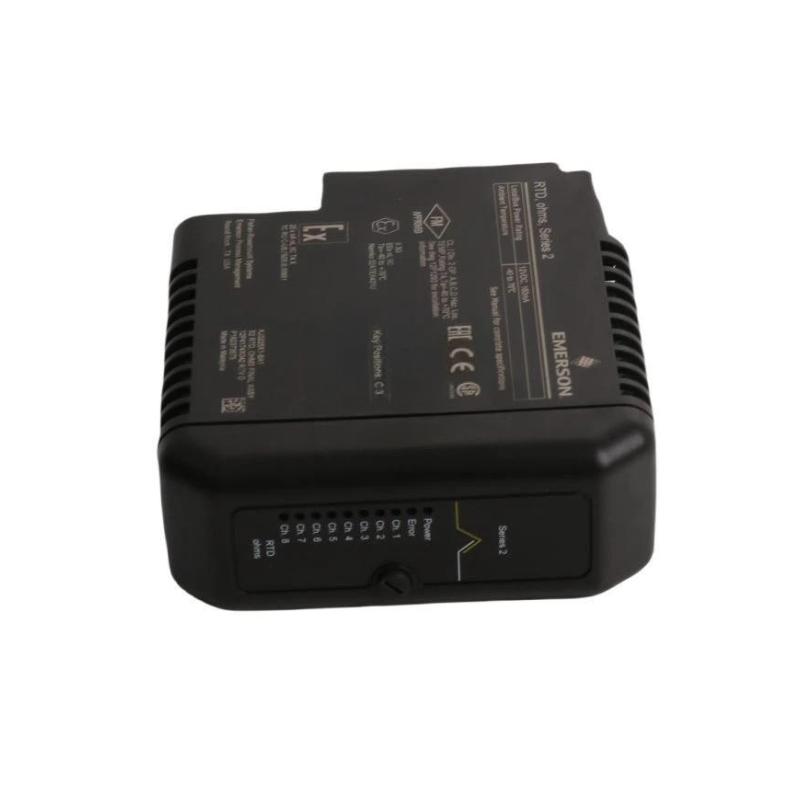
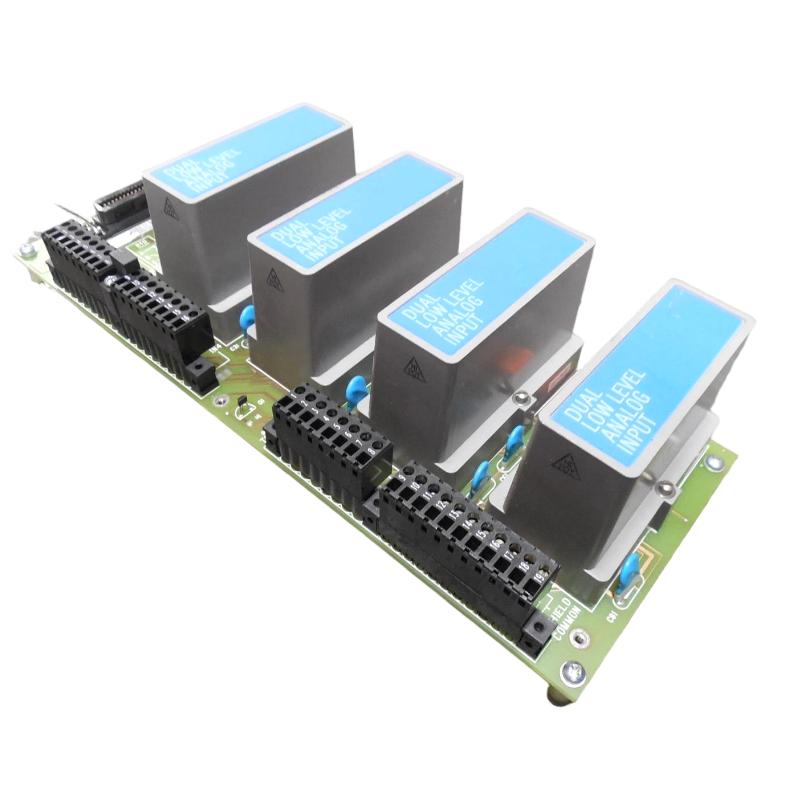
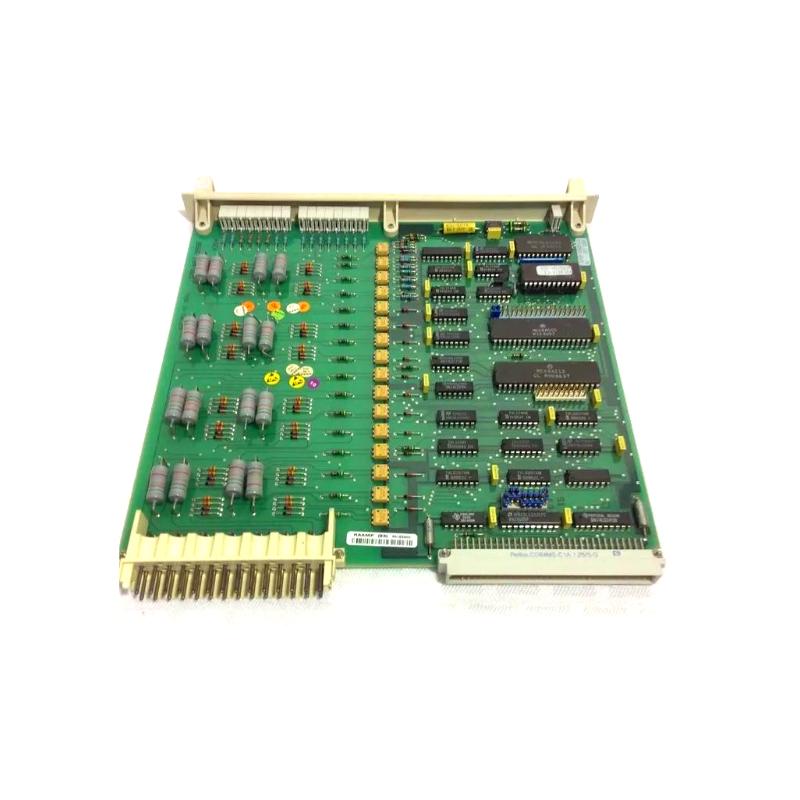
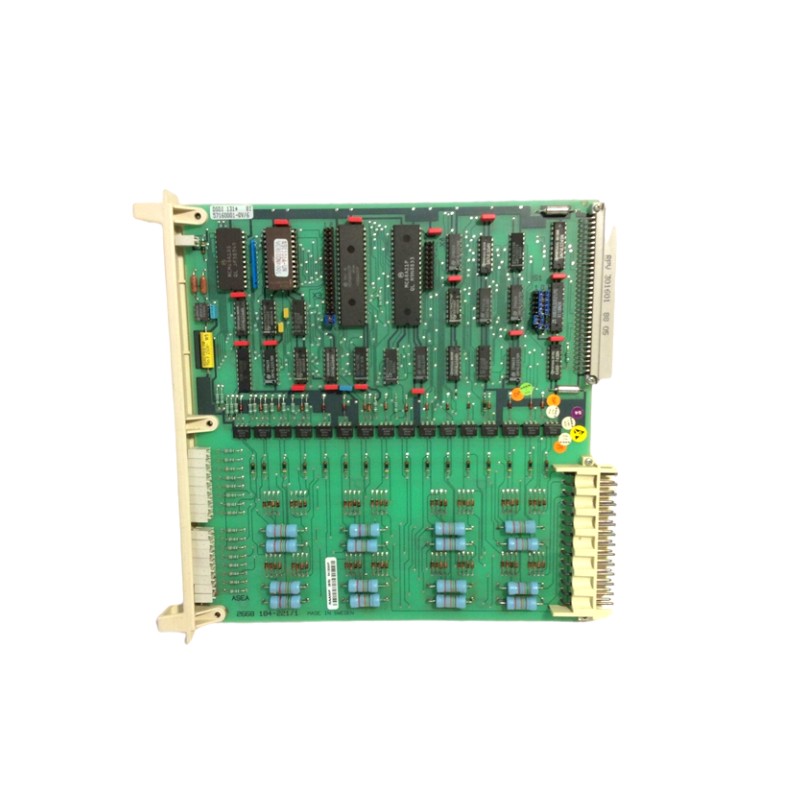
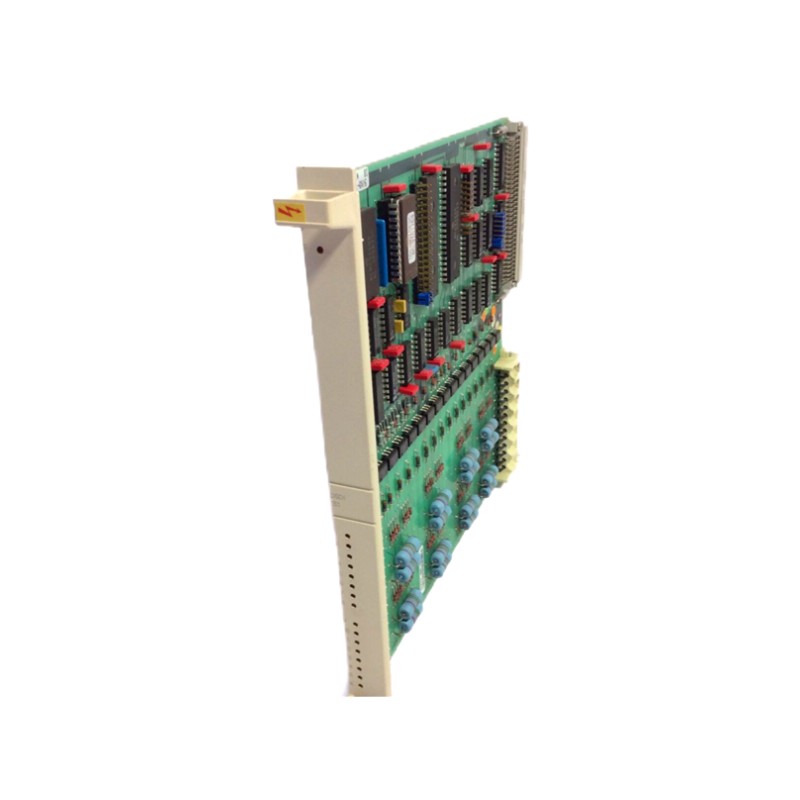
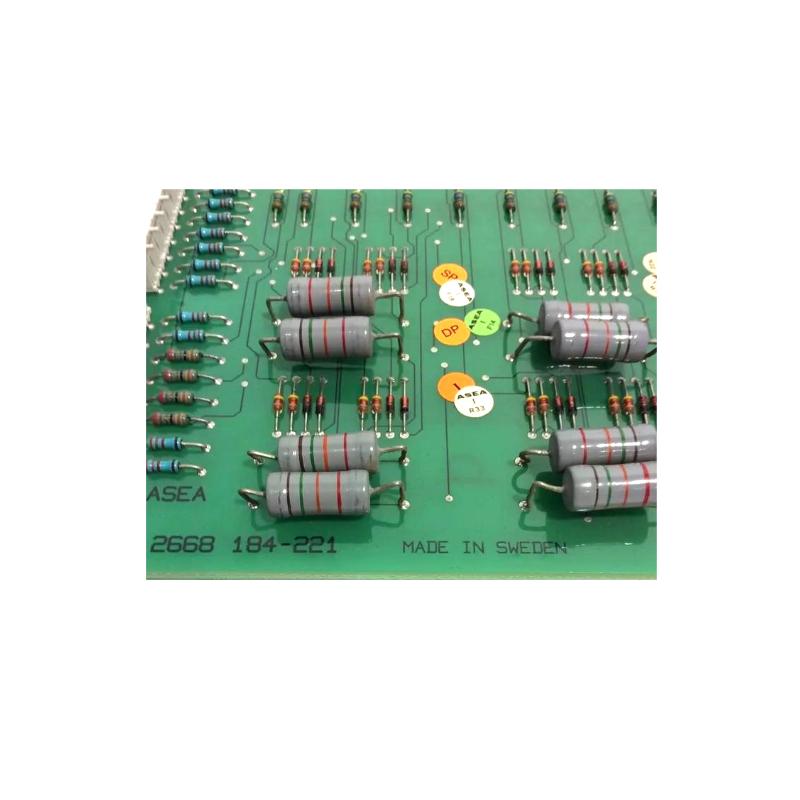
The Allen Bradley ABB DSDI 131 57160001 GV DS Digital Input Module is a high-reliability interface component designed to capture and process discrete signals in industrial automation systems. It acts as a bridge between field-level devices and the control system, ensuring accurate monitoring of equipment states and process conditions.
Its modular and durable design makes it suitable for integration into both new automation systems and upgrades of existing infrastructure. By providing consistent signal acquisition, the module supports efficient control, improved safety, and enhanced operational visibility.
Technical Specifications
| Parameter | Specification |
|---|
| Product Platform | Industrial Control System |
| Model Number | DSDI 131 57160001 GV DS |
| Module Type | Digital Input Module |
| Function | Receives and processes discrete input signals from field devices |
| Installation | Rack-mounted or panel integration |
| Application | Industrial automation, process monitoring, machine control |
| Signal Type | Digital (ON/OFF) inputs |
| Dimensions | 350 mm × 10 mm × 265 mm |
| Weight | 0.45 kg (0.99 lb) |
Typical Industrial Deployment
The Allen Bradley ABB DSDI 131 57160001 GV DS Digital Input Module is designed for reliable acquisition of digital signals from field devices within distributed control and PLC-based automation systems. It is commonly implemented in power plants, manufacturing lines, and process industries where binary signals such as ON/OFF states must be monitored with high reliability.
This module is frequently used to interface with limit switches, push buttons, proximity sensors, and status contacts from field equipment. In large-scale industrial environments, it serves as a critical link between real-world machine states and the control logic executed by the automation system.
Functional Advantages in Control Systems
From an engineering perspective, the module stands out for its stable signal detection and efficient integration into control architectures. Its design supports consistent interpretation of discrete signals, reducing the risk of misreads in noisy industrial environments.
Another advantage is its structured channel organization, which allows technicians to manage multiple digital inputs efficiently within a single module. This contributes to cleaner panel layouts and simplifies troubleshooting.
Additionally, the module enhances system responsiveness by providing real-time feedback from field devices, which is essential for safety interlocks, alarms, and machine sequencing operations. Its robust construction ensures dependable performance over extended operational cycles.
Technical FAQs
1. What is the primary function of this digital input module?
It receives discrete ON/OFF signals from field devices and transmits them to the control system for processing.
2. What types of input signals are supported?
Typical industrial digital signals such as dry contacts, switches, and sensor outputs.
3. How does the module ensure signal reliability?
Through internal filtering and isolation techniques that reduce electrical noise and false triggering.
4. Can it be used in safety-related applications?
Yes, it is often used in monitoring safety signals, though system-level safety certification depends on overall design.
5. Is the module suitable for high-density input configurations?
Yes, it is designed to handle multiple input channels within a compact form factor.
6. How is the module integrated into a control system?
It is installed in a rack or mounting structure and connected to PLCs or DCS controllers via system backplane or communication interface.
7. Does it support continuous operation?
Yes, it is built for 24/7 industrial environments with stable long-term performance.
8. How does it handle electrical interference?
The design incorporates noise immunity features to ensure stable signal acquisition in industrial settings.
9. Can it be used in system upgrades or retrofits?
Yes, it is suitable for replacing legacy input modules or expanding input capacity.
10. What maintenance practices are recommended?
Regular inspection of wiring connections and verification of signal integrity during system checks.
 A DCS Q Co., Ltd. - PLC and DCS Industrial Control Equipment Wholesale