Introduction: Reliable Analog Input for Fault-Tolerant Systems
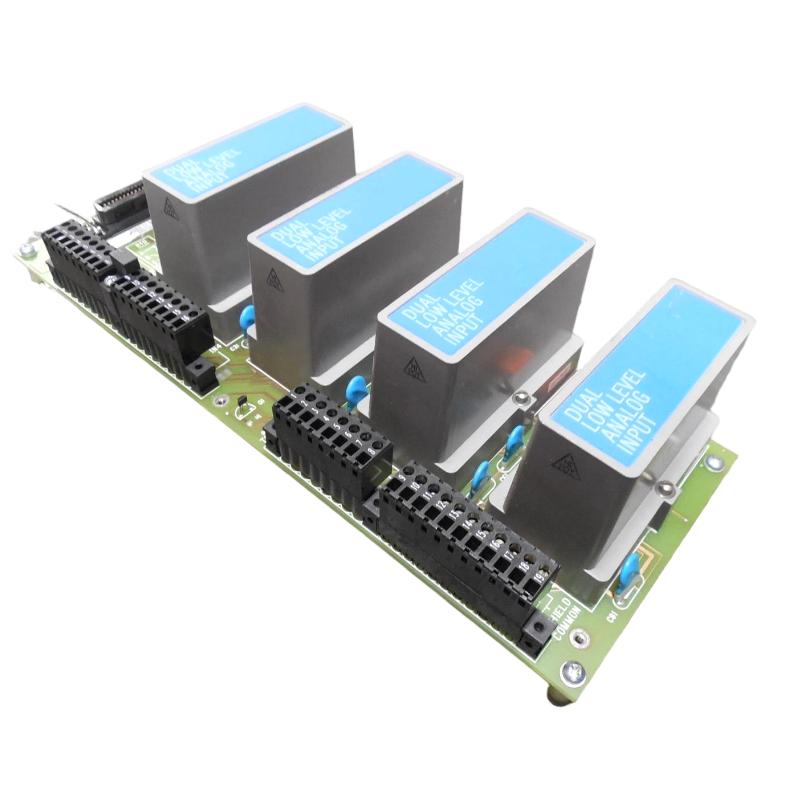
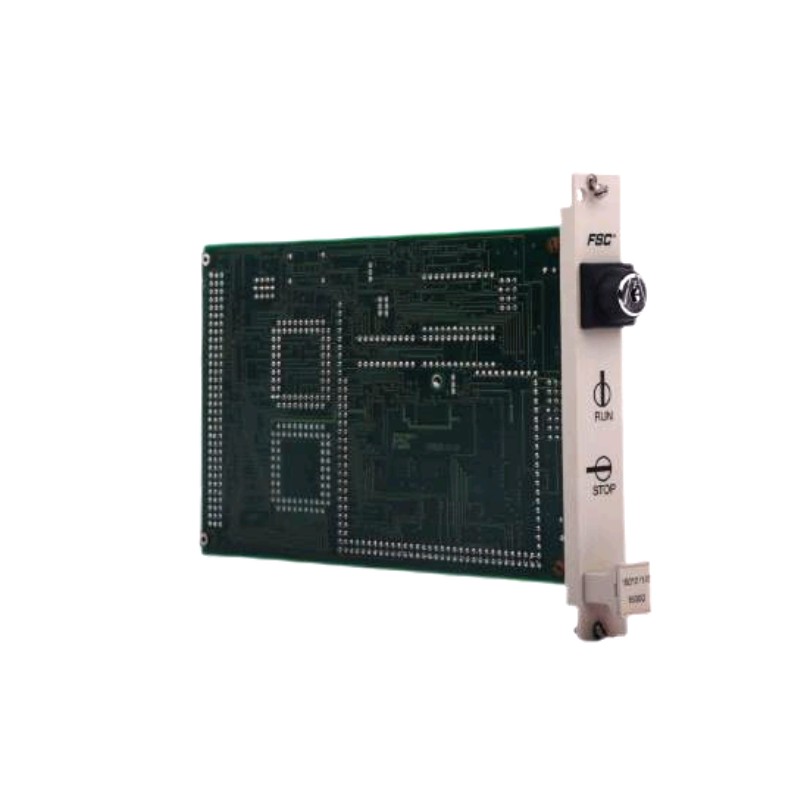
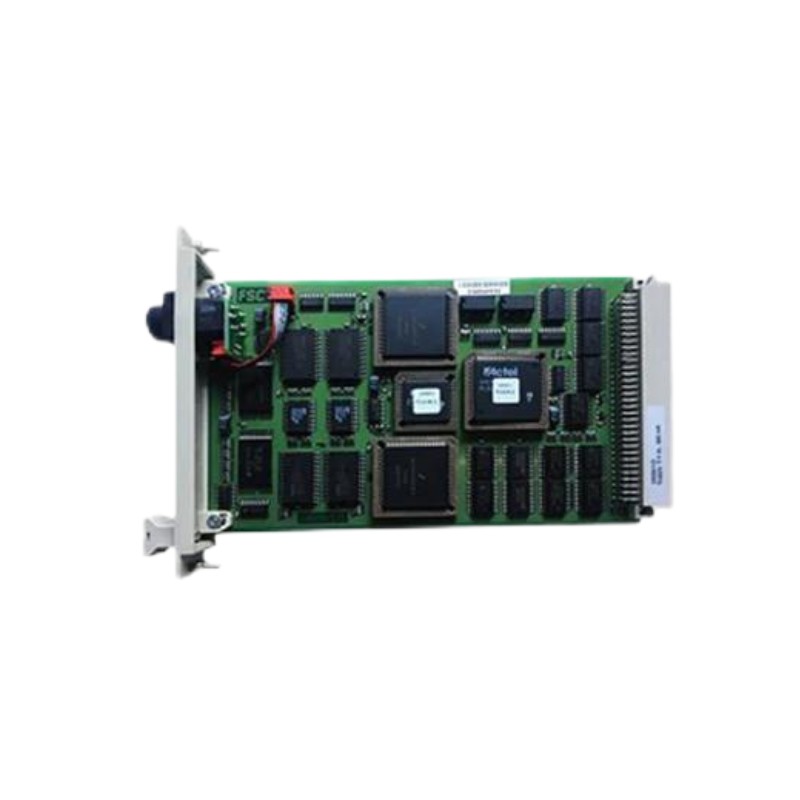
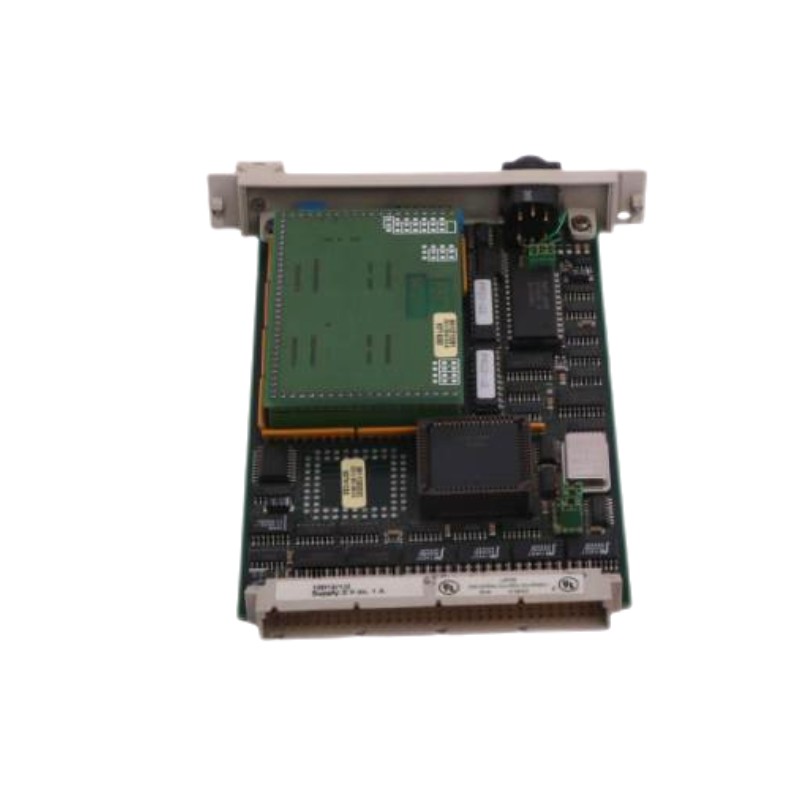
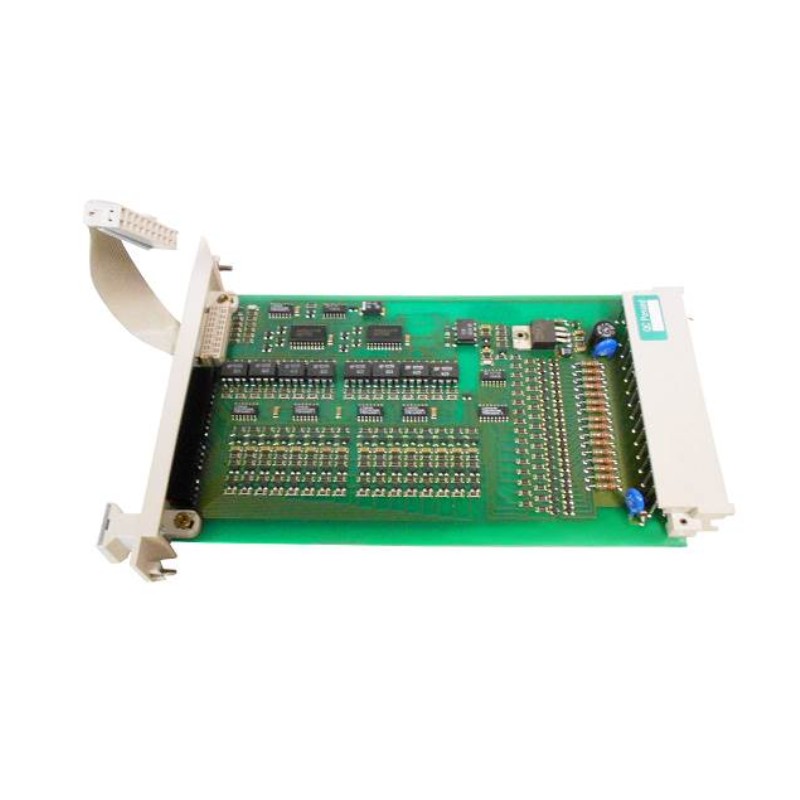
The Honeywell 10102/2/1 Fault-Tolerant Analog Input Module is engineered for demanding industrial automation environments where continuous process monitoring must remain uninterrupted, even during partial system failures. Built for fault-tolerant architectures, this module delivers precise analog signal acquisition and robust diagnostics, helping maintain accurate control loops and high availability. Whether used in refining, power generation, chemical processing, or large-scale manufacturing, this analog input module provides the dependable performance required to keep critical systems running smoothly.
Technical Specifications: Precision Inputs in a Rugged Package
| Specification | Details |
|---|
| Product Type | Fault-Tolerant Analog Input Module |
| Model Number | 10102/2/1 |
| System Family | Honeywell Fault-Tolerant Control Systems |
| Input Channels | Multiple analog input channels (typically 8–16 depending on configuration) |
| Signal Types | 4–20 mA, 0–20 mA, ±10 V, thermocouple (model-dependent) |
| Accuracy | High precision for process control (exact specs vary by sub-model) |
| Isolation | Channel-to-channel and channel-to-ground isolation for safety and noise immunity |
| Fault-Tolerant Design | Redundant data paths and self-check diagnostics |
| Output/Communication | Module status and data provided via the control system backplane |
| Mounting Style | Rack-mounted module for industrial control cabinets |
| Dimensions | Standard rack module size |
| Weight | approx. 0.25–0.35 kg |
| Operating Temperature | Industrial range suitable for control room environments |
| Environmental Protection | Designed for continuous operation in automation cabinets |
Applications: High-Availability Process Monitoring
The 10102/2/1 is commonly deployed in mission-critical process control systems where downtime is not acceptable. Typical applications include:
-
Power Generation Plants – Monitoring turbine, boiler, and auxiliary systems
-
Refineries & Petrochemical Facilities – Tracking pressure, flow, and temperature signals
-
Chemical Manufacturing – Ensuring precise measurement for reaction control
-
Water/Wastewater Treatment – Continuous monitoring of plant parameters
-
Large-Scale Manufacturing – Maintaining consistent product quality through accurate sensing
The fault-tolerant design makes it especially suited for systems requiring redundancy and high reliability.
Advantages: Precision, Redundancy, and Peace of Mind
-
High reliability through fault-tolerant architecture and diagnostics
-
Accurate analog acquisition for stable control loop performance
-
Noise-resistant isolation reduces signal interference in industrial environments
-
Rack-mounted compact design saves space in control cabinets
-
Designed for long-term stability and reduced maintenance cycles
These advantages make the 10102/2/1 a strong choice for engineers who need dependable analog inputs in critical automation systems.
Technical FAQs: Answers for Field Engineers
1. What does the 10102/2/1 module measure?
It captures analog process signals such as current, voltage, and thermocouple inputs (depending on configuration).
2. How many input channels does it support?
Typically between 8 and 16 channels, depending on the exact sub-model and system configuration.
3. Is it compatible with fault-tolerant systems?
Yes, it is specifically designed for fault-tolerant control architectures.
4. What signal types are supported?
Commonly supports 4–20 mA, 0–20 mA, ±10 V, and thermocouples (model-dependent).
5. Does it provide isolation?
Yes, it includes isolation to improve noise immunity and safety.
6. Can it operate in harsh industrial environments?
Yes, it is designed for standard industrial temperature and cabinet conditions.
7. Does it offer diagnostics?
Yes, fault-tolerant diagnostics and self-check mechanisms help detect failures early.
8. What happens if a channel fails?
The module is designed to continue operation with redundancy and alert the control system through diagnostics.
9. What is the mounting style?
Rack-mounted module designed for industrial control cabinets.
10. How does it improve process uptime?
By providing reliable measurement and fault-tolerant operation, it reduces unplanned downtime and supports continuous control.
 A DCS Q Co., Ltd. - PLC and DCS Industrial Control Equipment Wholesale