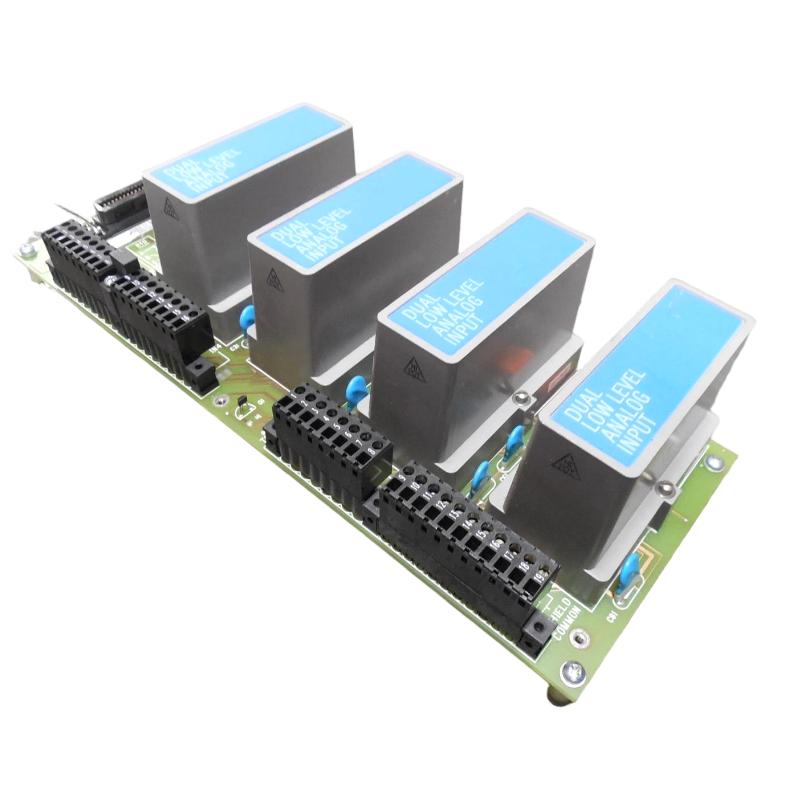
Applications: Enhancing Safety and System Integrity
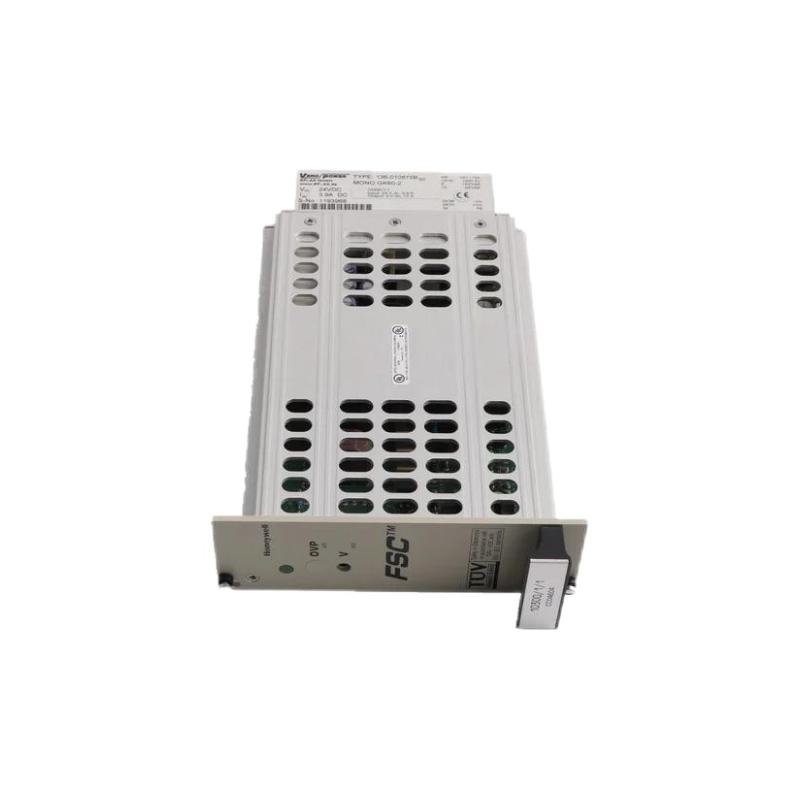
The 10310/1/1 ELD module is widely used wherever early detection of earth leakage is necessary to maintain system safety and prevent equipment damage. Its typical application areas include:
-
Process Control Systems – Protects distributed controllers and I/O networks from insulation faults.
-
Manufacturing Automation – Detects leakage in motor circuits, actuators, and field device wiring.
-
Power Distribution Panels – Adds an extra layer of earth leakage visibility in low-voltage subsystems.
-
Refineries and Chemical Plants – Supports hazardous area safety by identifying leakage precursors.
-
Utilities and Infrastructure – Monitors control system power integrity in substations and treatment plants.
By enabling early warning of abnormal leakage conditions, the module reduces downtime and supports proactive maintenance.
Advantages: Proactive Protection and System Confidence
-
Rapid earth leakage detection helps prevent escalation of insulation faults into critical failures.
-
24 Vdc compatibility aligns with common industrial control supply standards.
-
Clear status signaling enables seamless integration with controller logic and alarm systems.
-
Compact, rugged design fits standard control cabinets without consuming excessive space.
-
Reduced risk of electrical hazards enhances operator safety and equipment longevity.
These benefits make the 10310/1/1 ELD an effective component for safety-focused control system designs.
Technical FAQs: Answers for Engineers
1. What does the 10310/1/1 detect?
It detects earth or ground leakage current that may indicate insulation breakdown or wiring faults.
2. What supply voltage does it require?
It operates from a 24 Vdc nominal supply, common in industrial control systems.
3. How does the module communicate an alarm?
The module typically provides a relay contact or logic output signal that can be interfaced to a controller or alarm system.
4. Is it suitable for all industrial environments?
Yes — it is designed for standard control cabinet conditions with typical temperature and humidity ranges.
5. Can it alert the controller automatically?
Yes — its output can be integrated with PLC/DCS I/O for automated monitoring and alarm handling.
6. Does it require calibration?
No special field calibration is typically required; it is designed for plug-and-monitor operation.
7. Where is it mounted?
It is installed in a rack or panel in the control cabinet, alongside other protection and monitoring modules.
8. Does it require external sensors?
The module is engineered to monitor leakage directly in system wiring; external current transformers or sensors are not normally required for low-level leakage detection.
9. Does it support redundancy?
In redundant power or controller configurations, multiple ELD modules may be deployed to cover each circuit.
10. What happens when leakage is detected?
Upon detection, the module’s output changes state, enabling the control system to log the event, trigger alarms, and initiate protective responses.
 A DCS Q Co., Ltd. - PLC and DCS Industrial Control Equipment Wholesale