Applications: Stabilizing Rack Bus Networks
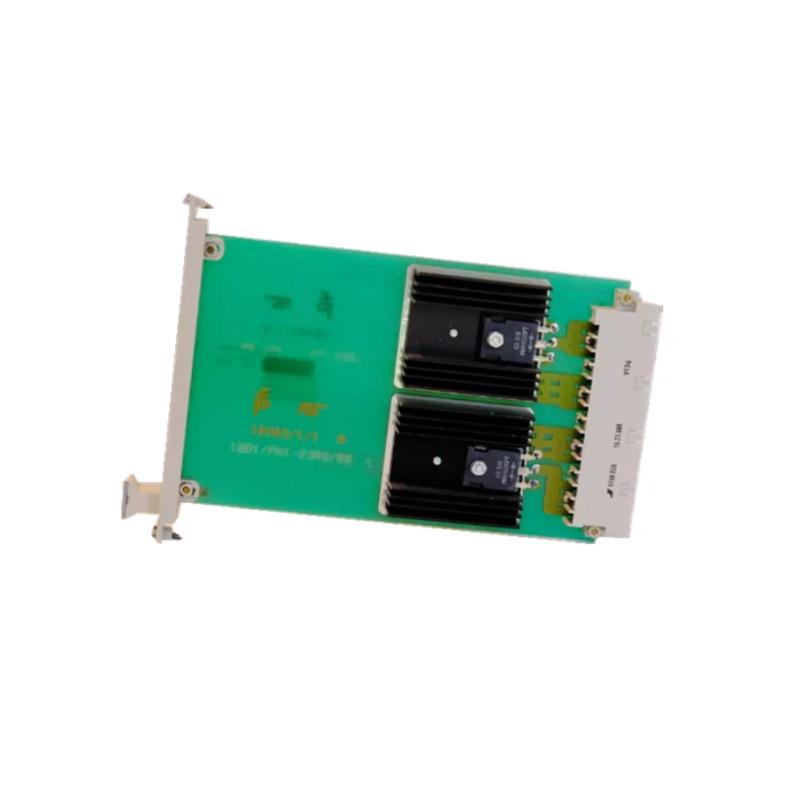
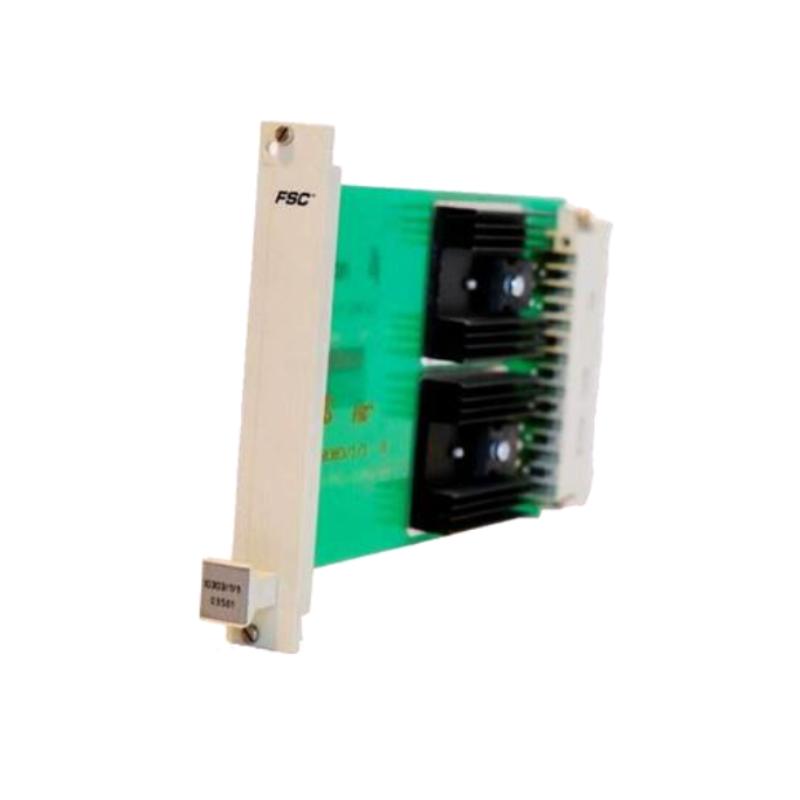
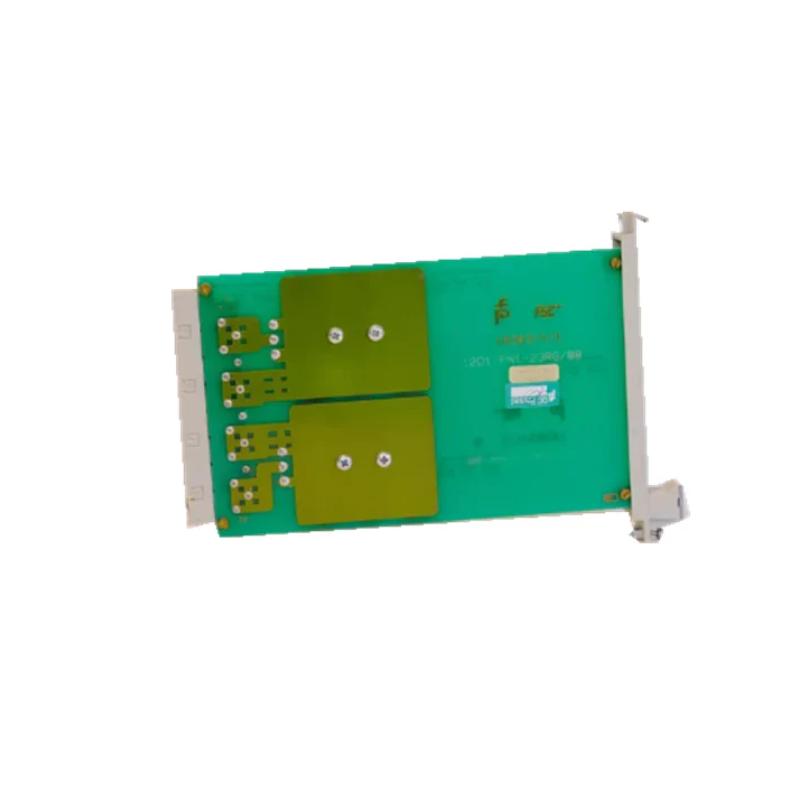
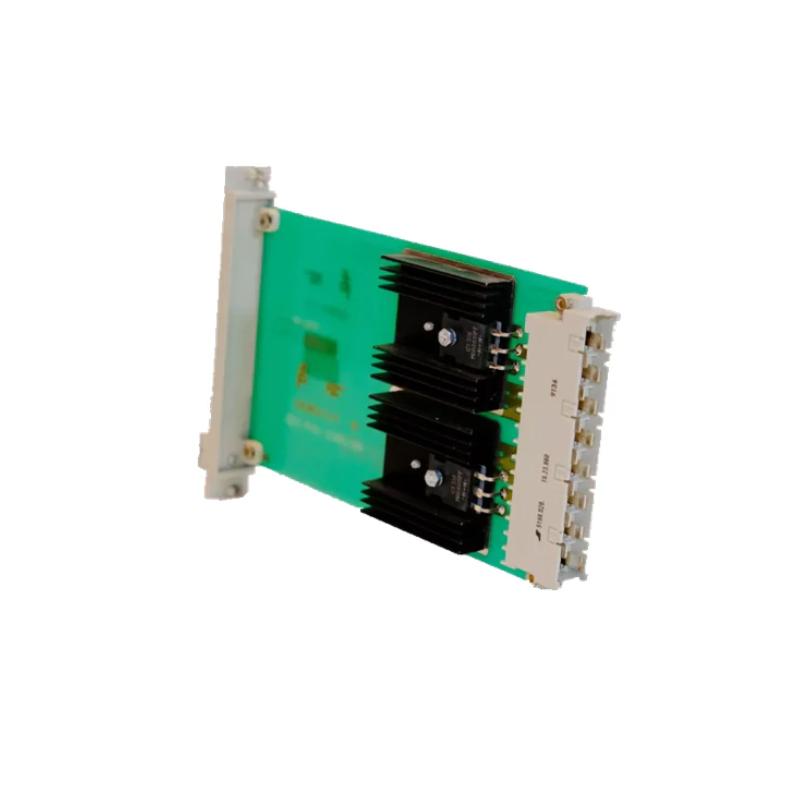
The 10307/1/1 Vertical Bus Terminator is used wherever a vertical bus must be properly ended in a modular control system rack. Its primary role is to terminate the bus line at the physical end of a I/O or controller chassis, ensuring that communication and power lines do not generate reflections or signal distortion that could compromise system performance. Typical use cases include:
-
Industrial process control cabinets
-
Distributed automation racks
-
Redundant and high-availability control architectures
-
Test and simulation racks where proper bus termination is required
By providing consistent bus closure, this module contributes to long-term system stability and reduced risk of intermittent communication faults.
Advantages: Simple, Reliable, and System-Ready
-
Essential termination preserves signal integrity and reduces reflections on bus lines.
-
Passive design eliminates active failure points, enhancing reliability.
-
Compact and lightweight form factor simplifies installation at rack end positions.
-
Industrial build supports typical control room environments.
-
Seamless system integration fits standard Honeywell FSC and compatible bus racks.
These qualities make the 10307/1/1 a practical infrastructure component for ensuring predictable bus performance in industrial control systems.
Technical FAQs: Practical Answers for Engineers
1. What is the main purpose of the 10307/1/1?
It provides proper electrical termination for a vertical bus, preventing signal reflections and supporting stable communication.
2. Where is the terminator installed?
It is installed at the end of a vertical bus rack or chassis where the bus line must be electrically completed.
3. Does it require power?
No — as a passive terminator, it does not require an external power supply.
4. Is the terminator active or passive?
It uses a passive termination design, eliminating active circuitry.
5. Can it improve system reliability?
Yes — by preventing bus line reflections and signal distortion, it enhances overall communication reliability.
6. Does it have LEDs or indicators?
No — this module is a passive terminator and does not include status indicators.
7. What environments can it operate in?
It is designed for standard industrial control cabinet environments, including typical temperature and humidity ranges.
8. Is the form factor proprietary?
It fits the standard rack configuration used in Honeywell FSC and compatible control systems.
9. Can the terminator be replaced while powered?
Generally, rack termination should be managed with power off to avoid potential bus instability during service.
10. Does it support redundant bus configurations?
Yes — it supports redundancy when used at the appropriate end positions in multi-bus or redundant rack configurations.
 A DCS Q Co., Ltd. - PLC and DCS Industrial Control Equipment Wholesale