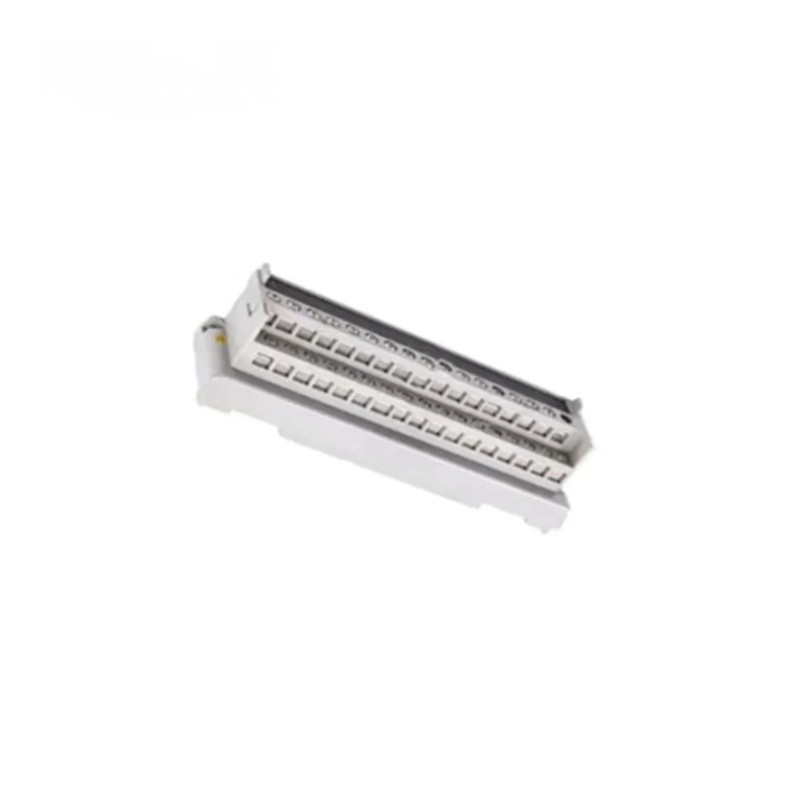
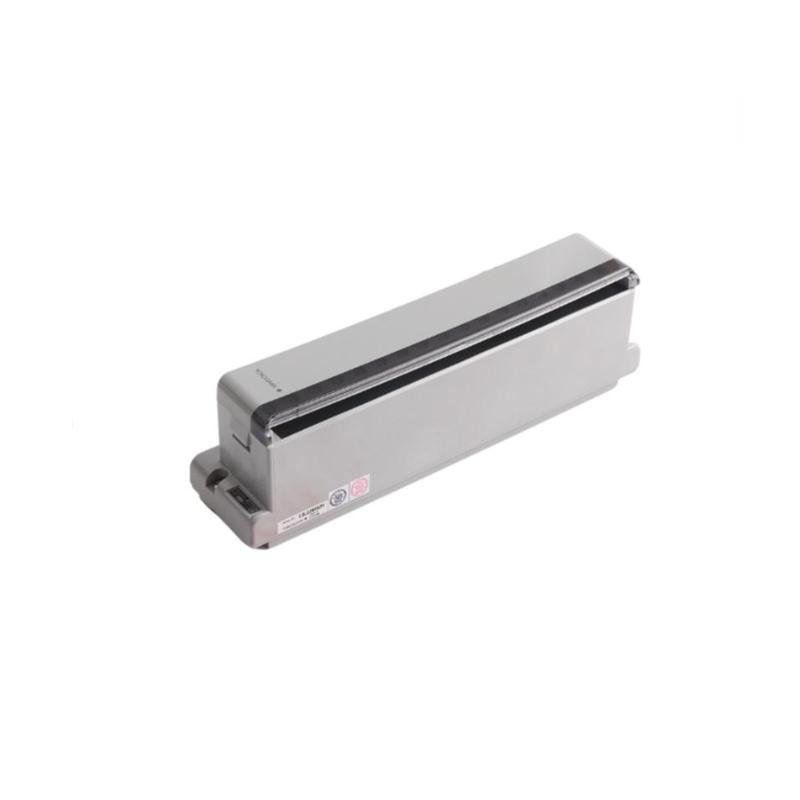
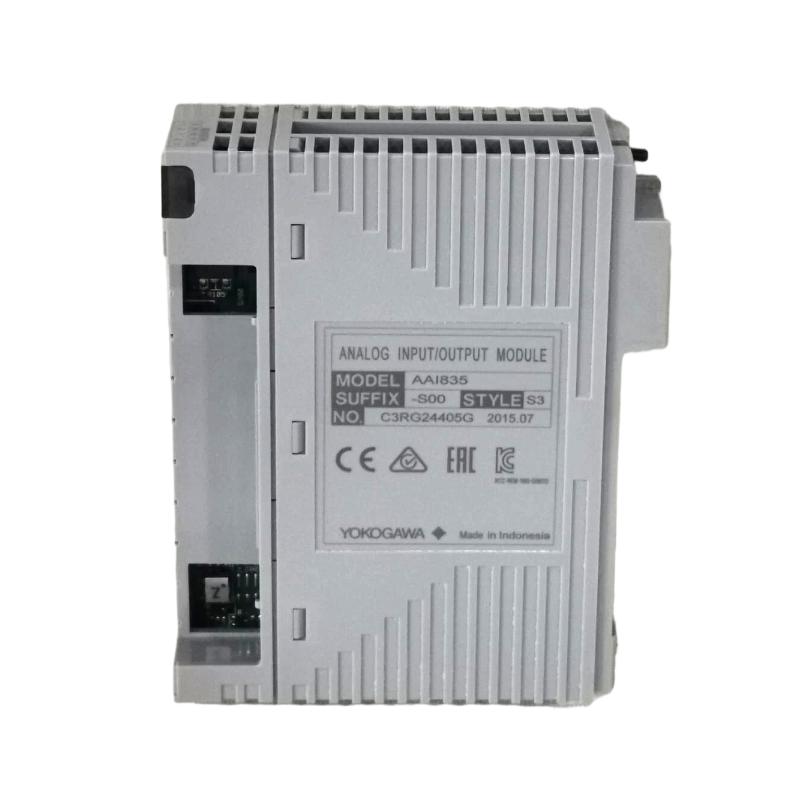
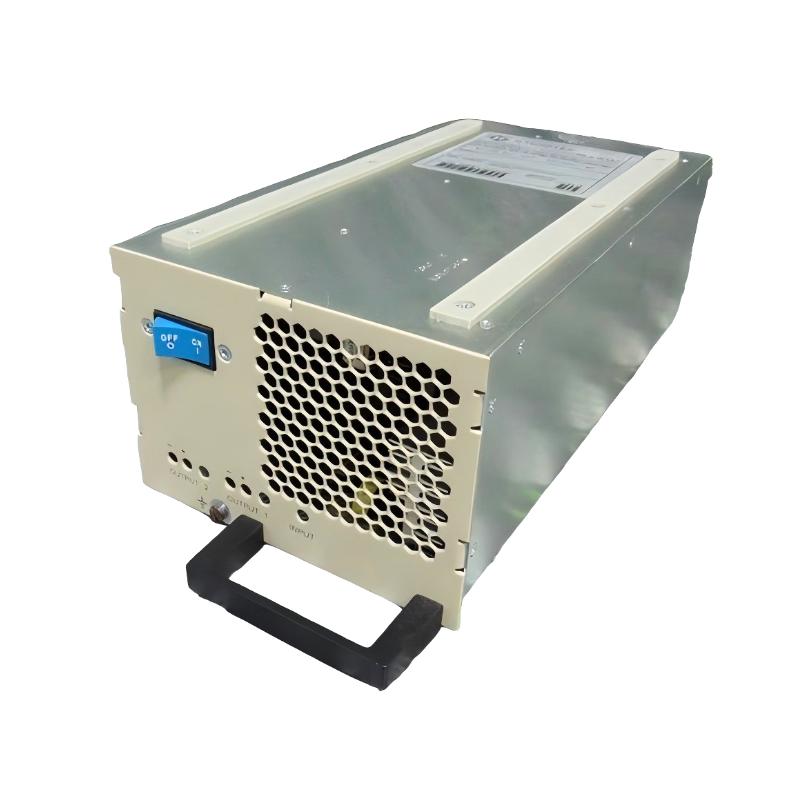
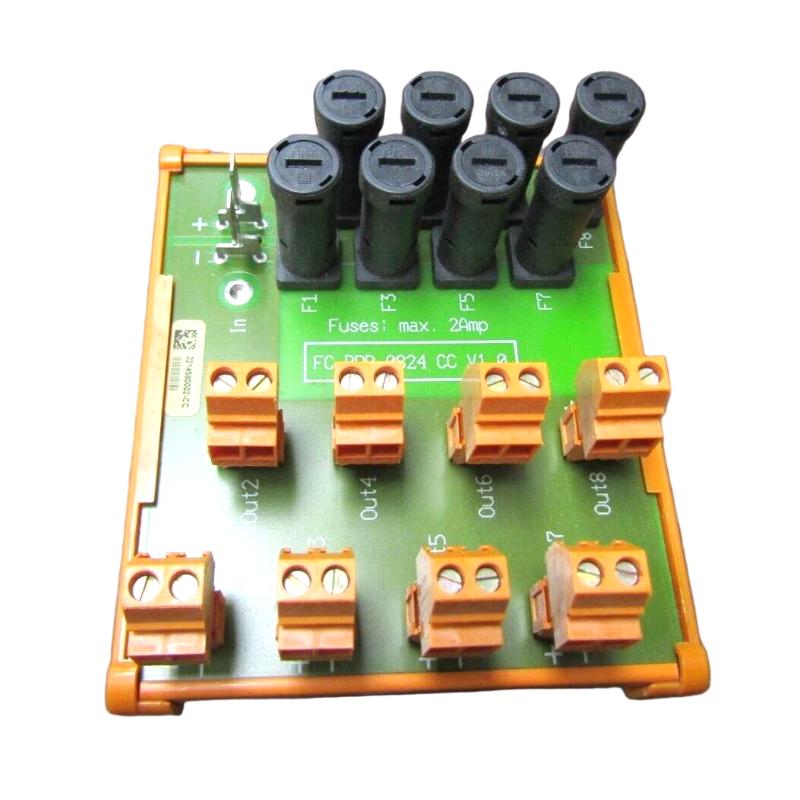
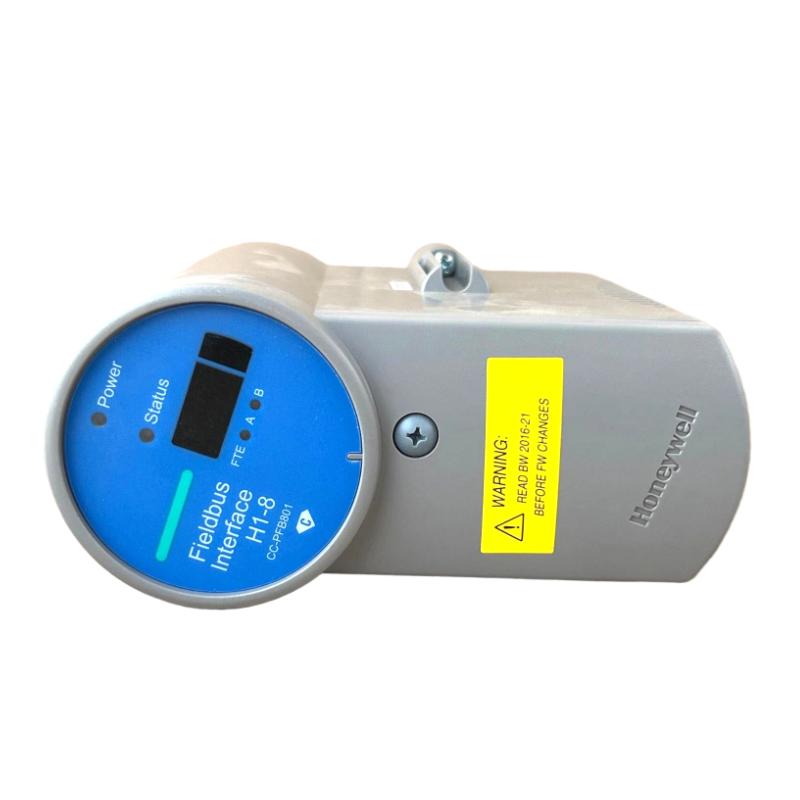
Applications: Voltage Data Acquisition Across Industries
The AMM11T is ideal for collecting multiple voltage signals in a variety of industrial automation contexts. Typical deployments include power plants, chemical processing facilities, manufacturing systems, and infrastructure automation. By aggregating numerous voltage inputs into a single module, it reduces field wiring complexity and supports more organized I/O architectures.
Advantages: Efficiency Without Compromise
-
Efficient voltage signal consolidation reduces cabinet clutter and wiring overhead.
-
High impedance and isolation ensure accurate, noise-resilient measurements.
-
Responsive sampling support enables timely data updates.
-
Compact form factor optimizes cabinet layouts.
-
Industrial-grade build quality supports extended continuous operation.
These advantages make the AMM11T a strategic choice for engineers seeking improved signal organization without sacrificing measurement accuracy.
Technical FAQs: Expert Answers for Field Professionals
1. What is the main function of the AMM11T?
It consolidates multiple DC voltage input channels into a singular data stream for processing by a DCS controller.
2. How many channels are available on this module?
The AMM11T supports 11 independent voltage input channels.
3. What voltage range is supported?
The module accepts -10 to +10 V DC input signals.
4. Does it offer channel isolation?
Yes, high isolation resistance (≥ 100 MΩ) helps prevent signal interference.
5. What is the sampling rate?
It supports sampling in the range of approximately 100–200 Hz.
6. Is an external power supply required?
No—power is typically supplied through the system backplane.
7. What systems is it compatible with?
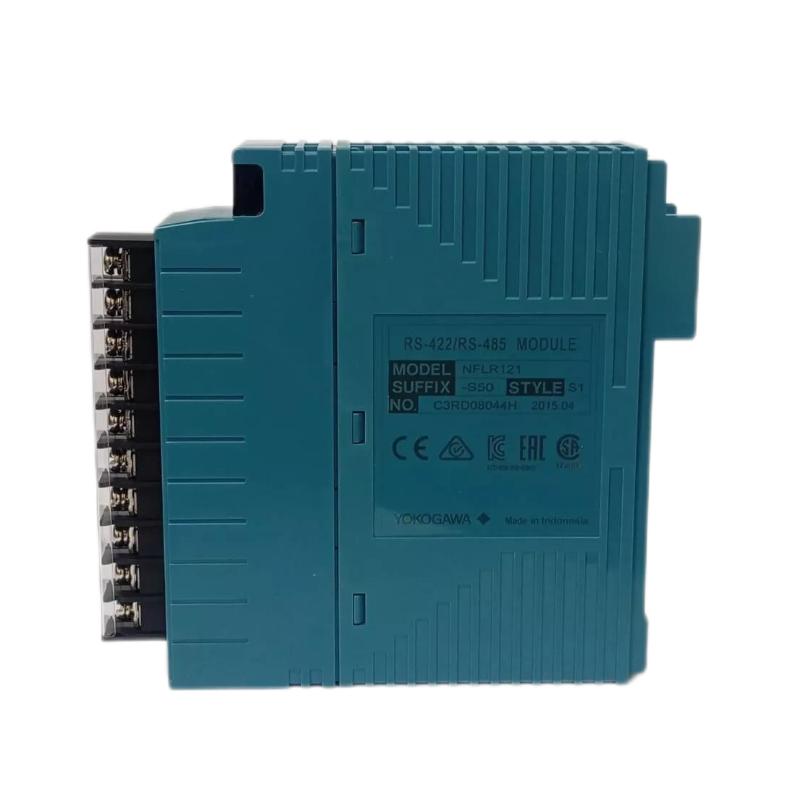
It integrates with Yokogawa CS3000 and CENTUM distributed control platforms.
8. Can it operate in industrial environments?
Yes, it is designed to withstand typical industrial temperature ranges from -10 to +60 °C.
9. Does multiplexing reduce wiring complexity?
Yes—by aggregating multiple voltage inputs, it significantly reduces field wiring.
10. Is it suitable for real-time monitoring?
Yes, its sampling and switching characteristics support near real-time signal acquisition.
 A DCS Q Co., Ltd. - PLC and DCS Industrial Control Equipment Wholesale