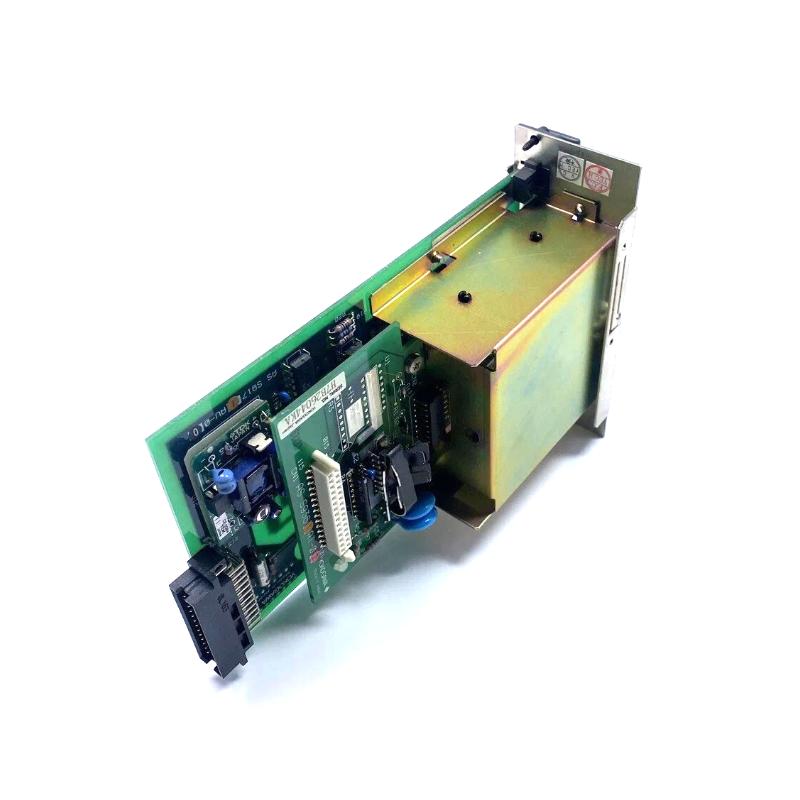
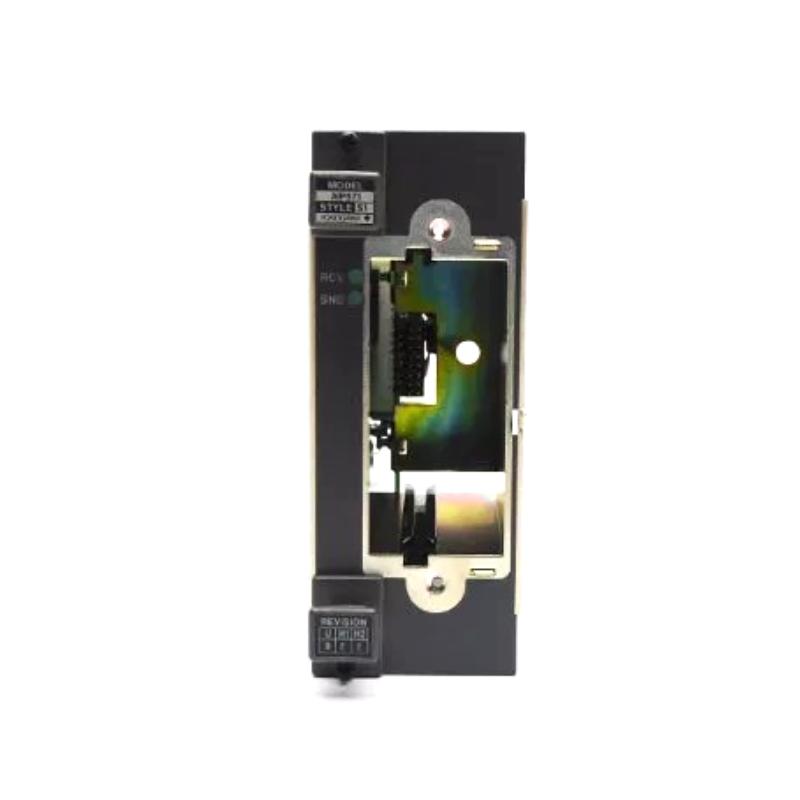
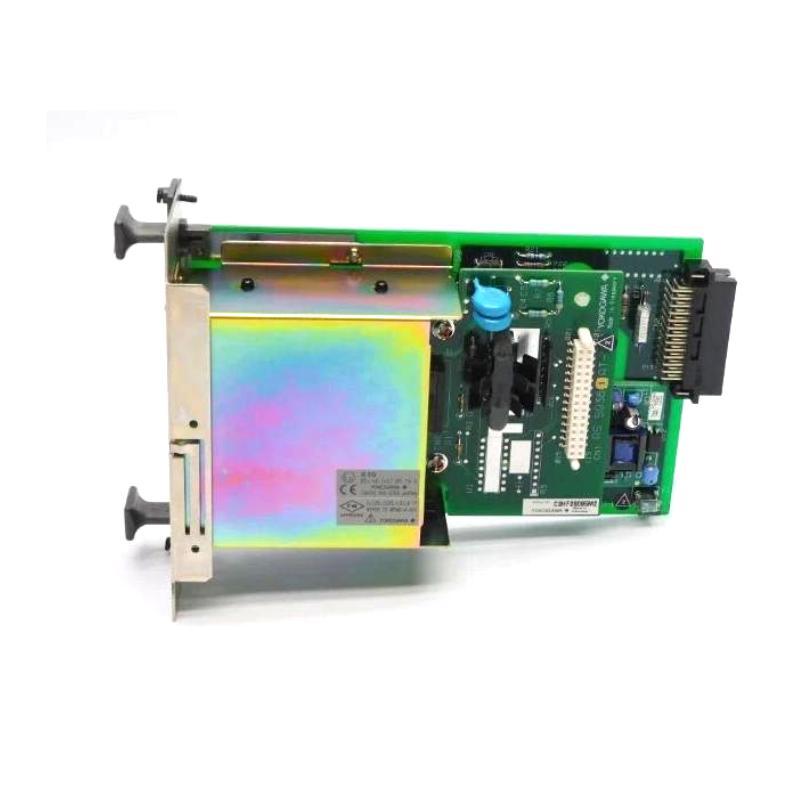
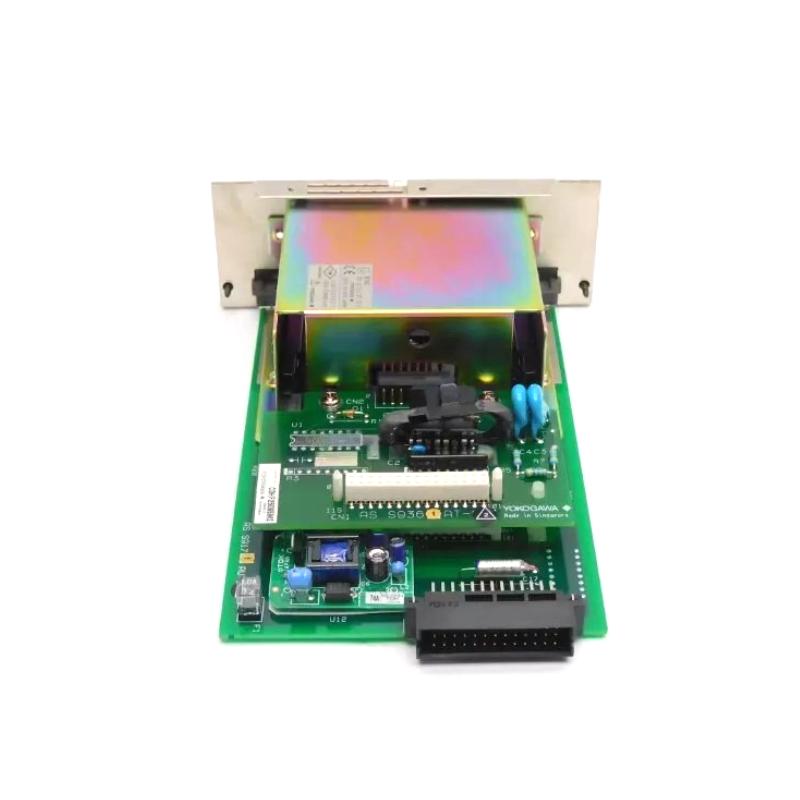
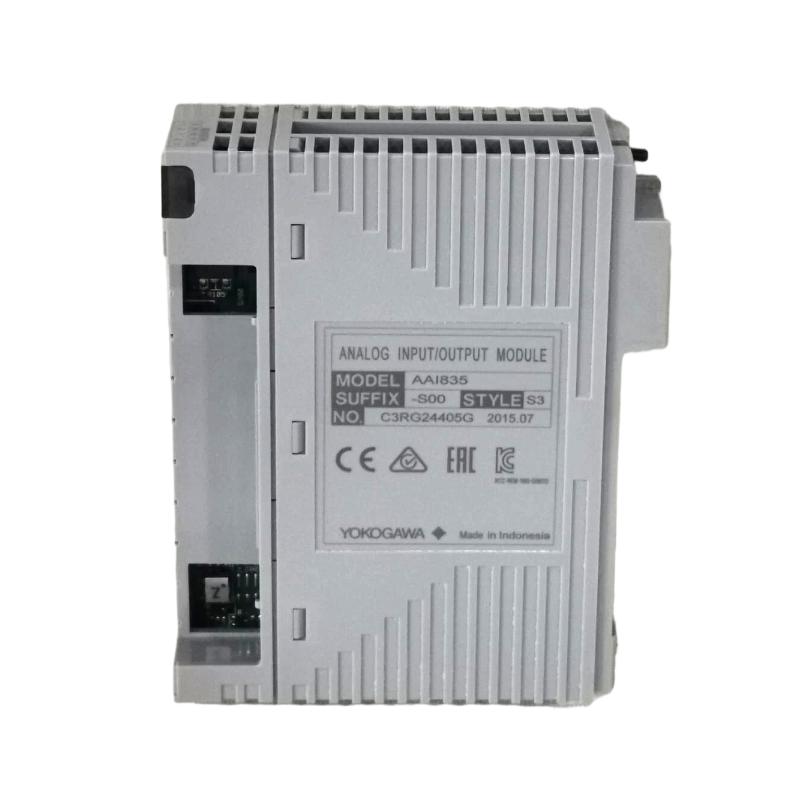
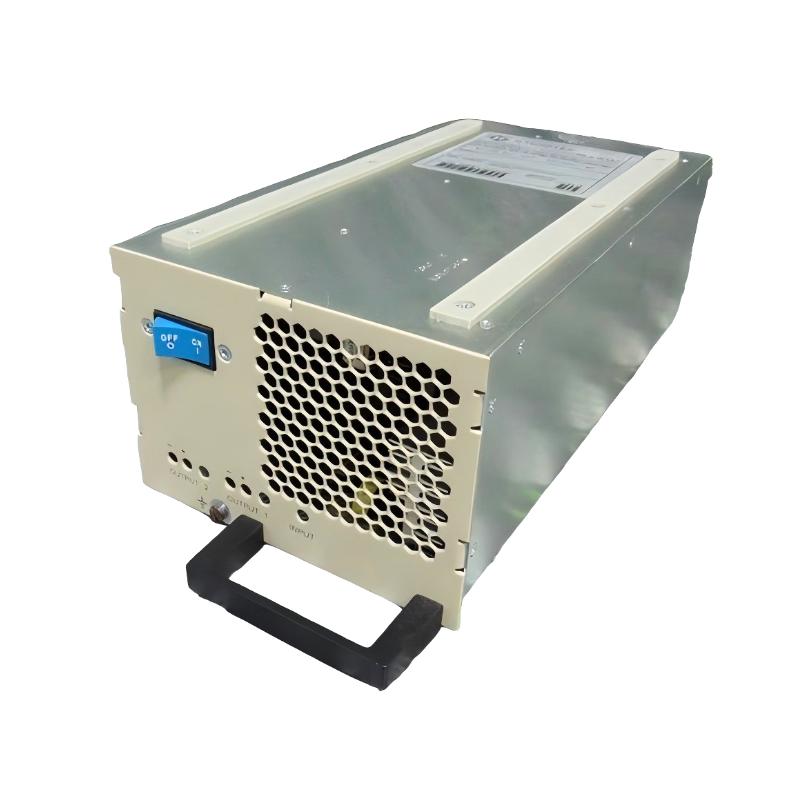
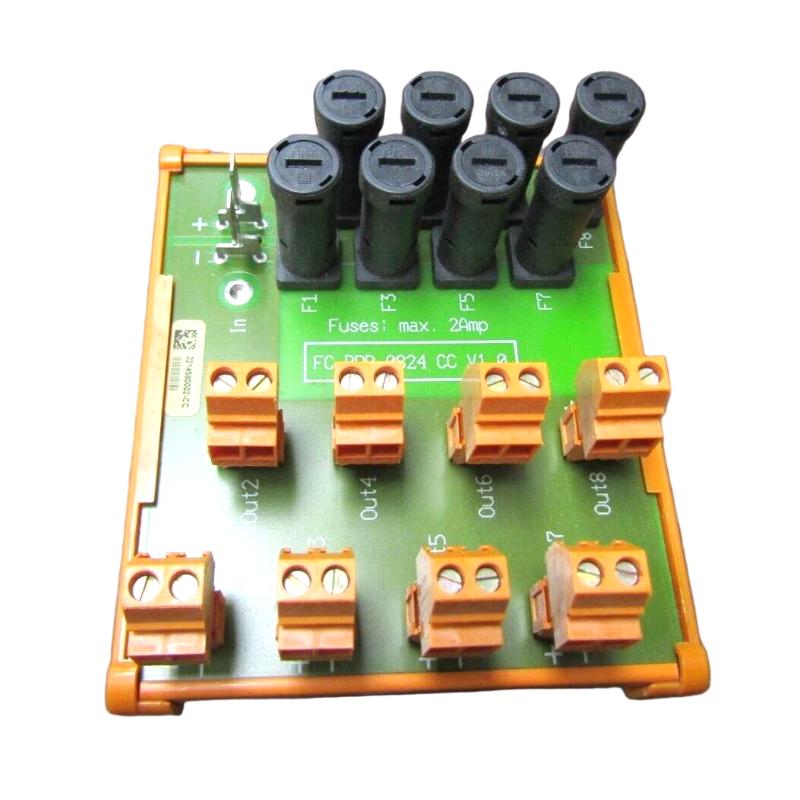
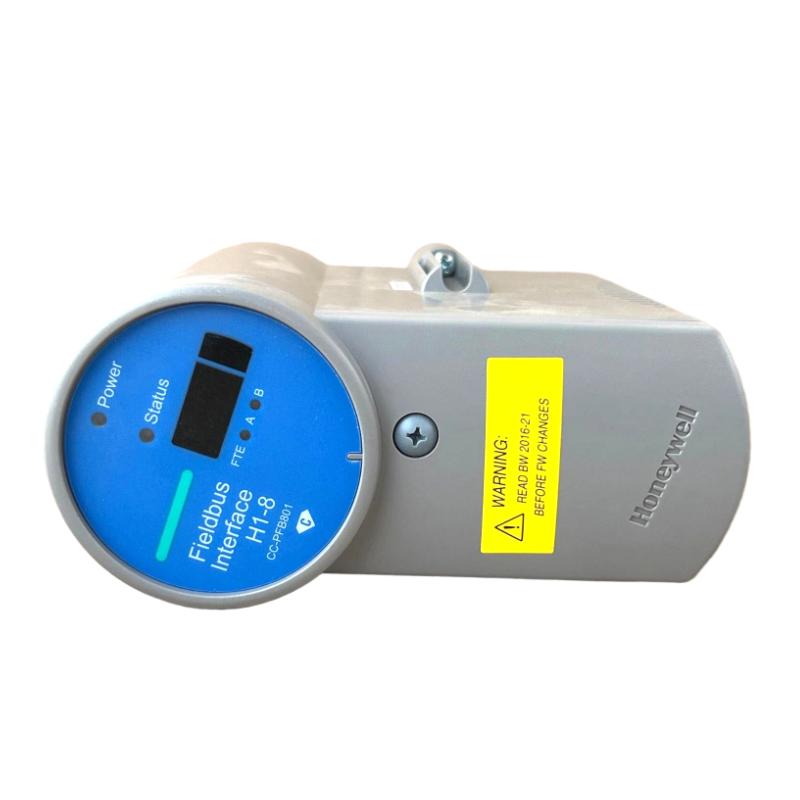
Applications: Designed for Distributed Control Systems
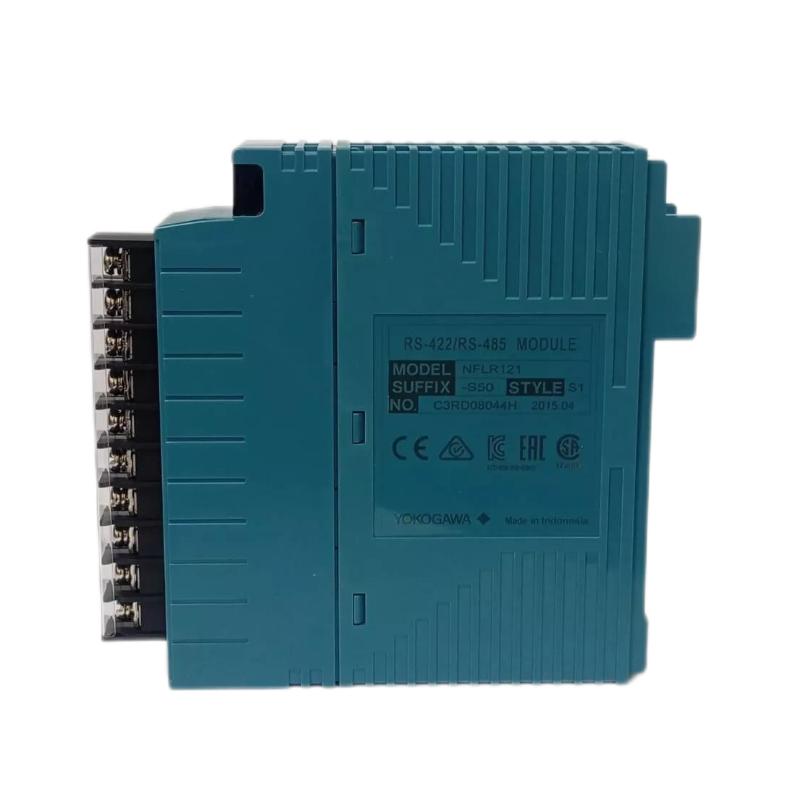
The AIP571-S1 is commonly used in large-scale industrial plants where Remote I/O architectures are essential. Typical applications include chemical processing, oil and gas facilities, power generation plants, and continuous manufacturing lines. It excels in systems that require reliable electrical signal transmission over extended distances while maintaining signal integrity and system responsiveness.
Advantages: Practical Benefits for System Integrators
-
Stable electrical communication for Remote I/O systems
-
Seamless integration with Yokogawa CENTUM controllers
-
Compact profile that optimizes control cabinet space
-
Proven durability for long-term, continuous operation
-
Reduced communication errors, improving overall system availability
From installation to daily operation, the AIP571-S1 contributes to lower maintenance effort and higher control system confidence.
Technical FAQs: Answers from the Field
1. What is the primary function of the AIP571-S1?
It transmits electrical Remote I/O signals between field I/O modules and the control system.
2. Is this module suitable for harsh industrial environments?
Yes, it is designed for industrial temperature ranges and electrically noisy conditions.
3. Does the AIP571-S1 require external power wiring?
No, it is powered directly through the system backplane.
4. Can it be used in redundant system configurations?
Yes, it supports redundant architectures when used within compatible Yokogawa systems.
5. What type of signal transmission does it support?
Electrical-based Remote I/O communication.
6. Is special calibration required before use?
No calibration is required; configuration is handled through system engineering tools.
7. How does it affect system response time?
It is designed to minimize communication delay, ensuring timely I/O updates.
8. Can it be replaced without rewiring field connections?
Yes, replacement does not affect existing field wiring.
9. Is it suitable for continuous operation?
Absolutely, it is intended for 24/7 industrial operation.
10. What is the expected operational lifespan?
With proper environmental conditions, it supports long-term use over many years.
 A DCS Q Co., Ltd. - PLC and DCS Industrial Control Equipment Wholesale