Application
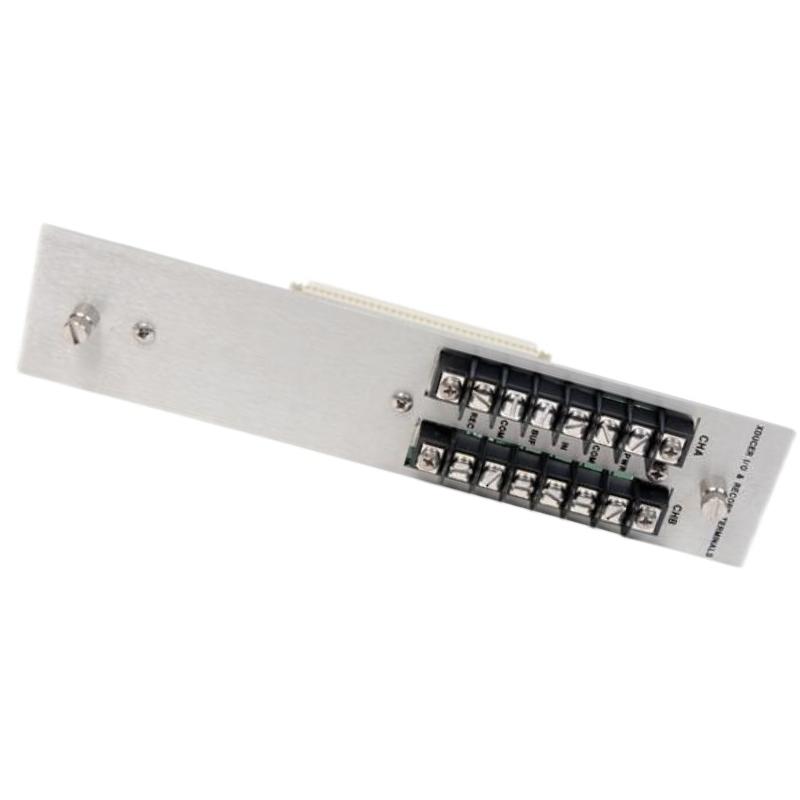
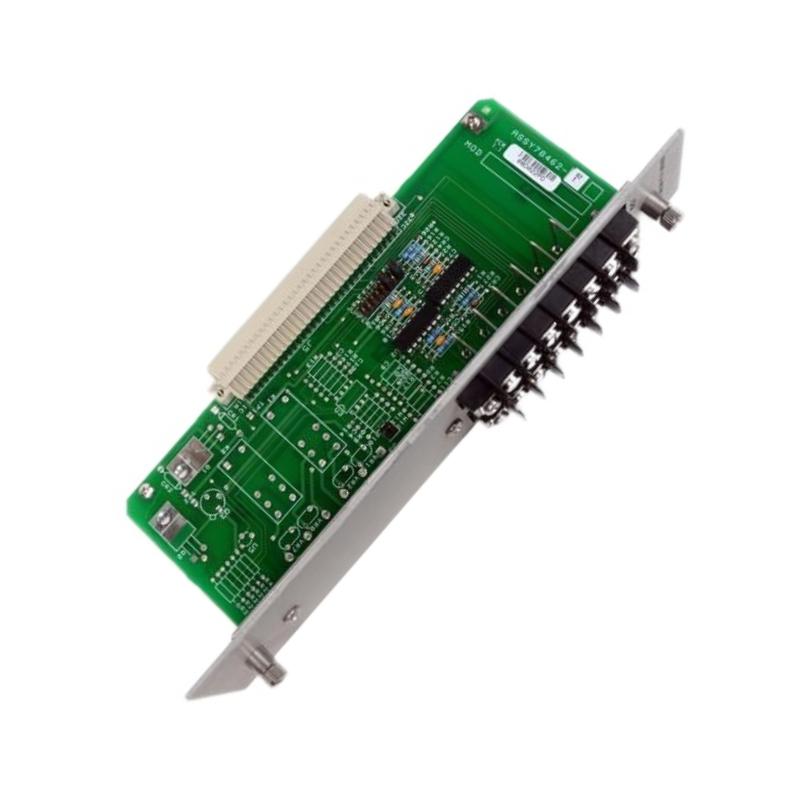
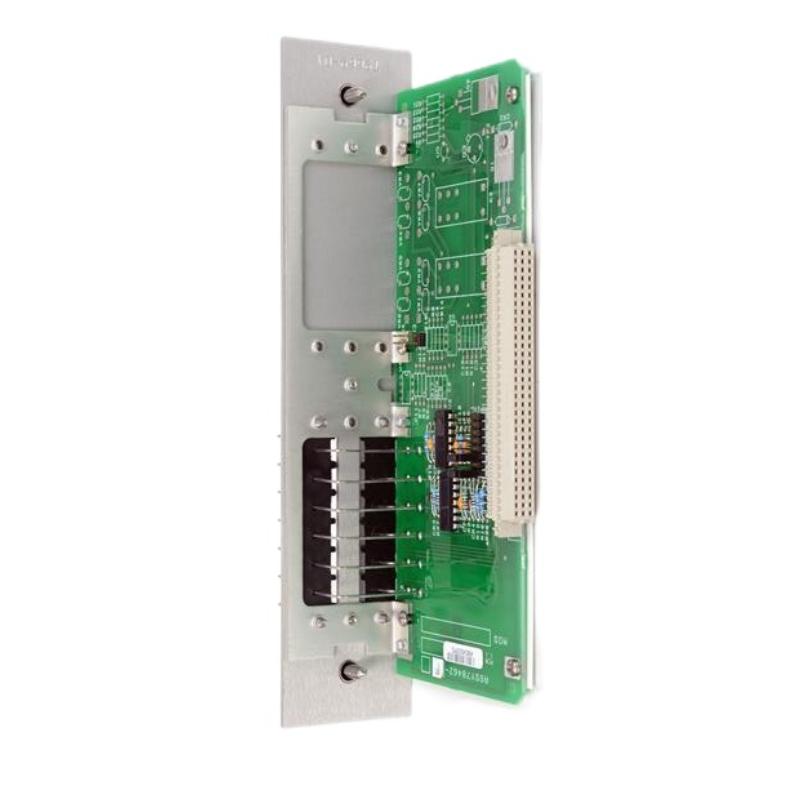
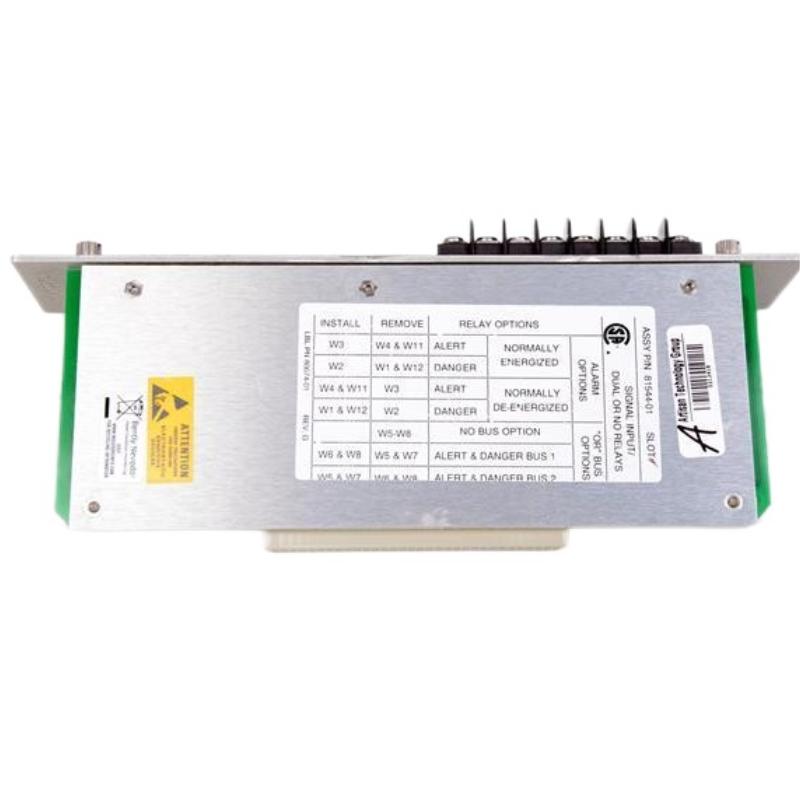
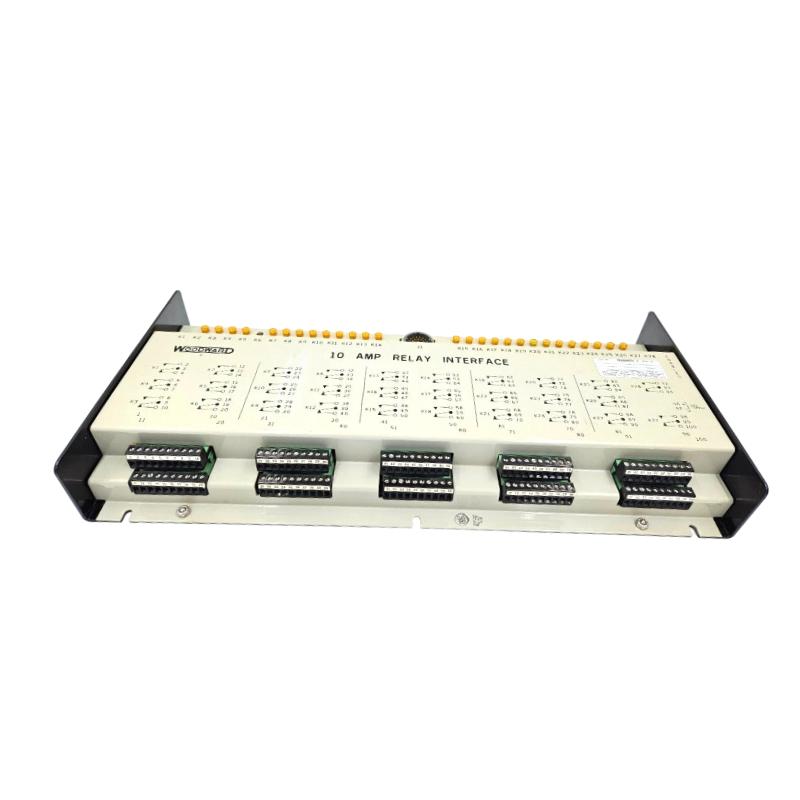
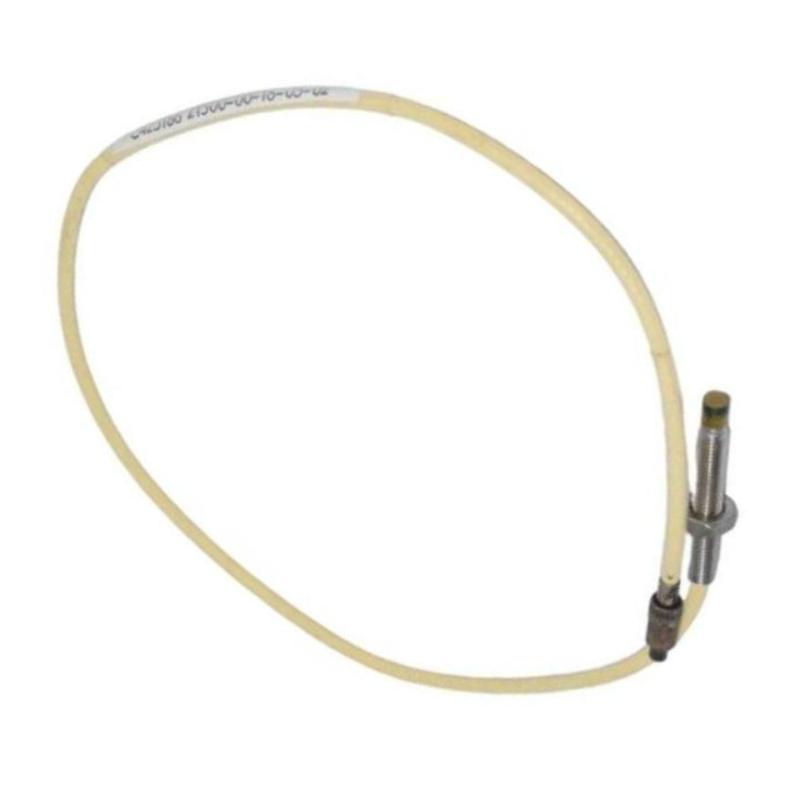
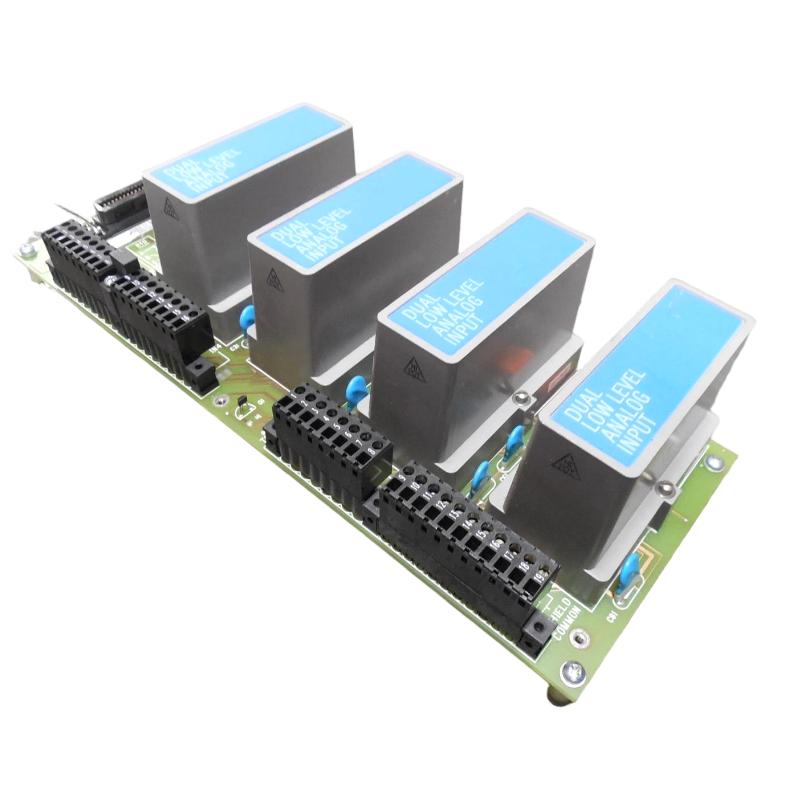
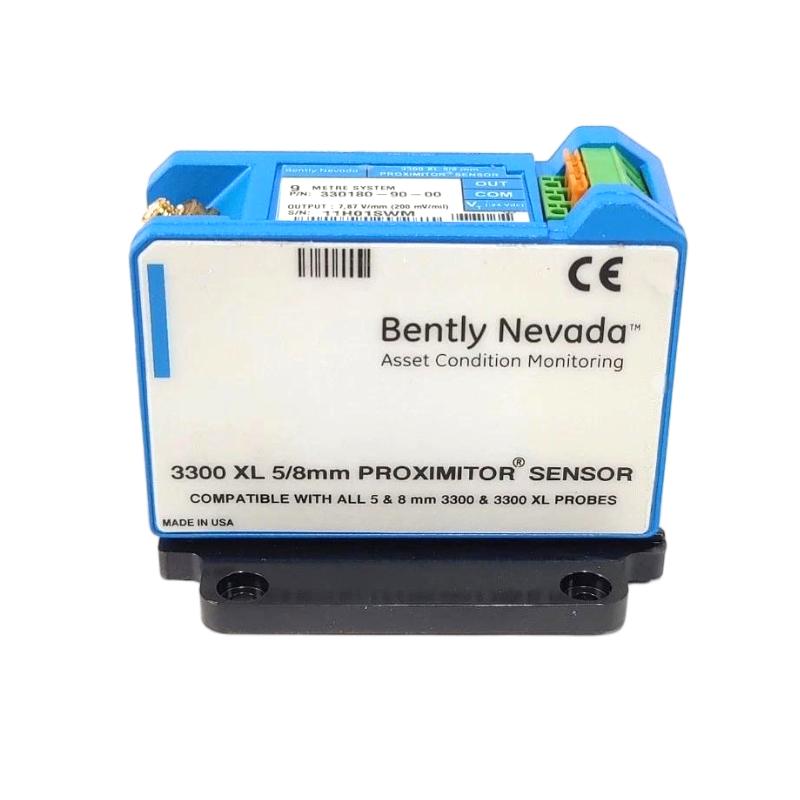
The 81544-01 XDUCR terminals act as an intermediary between vibration, proximity, temperature, or speed sensors and the core machinery monitoring system. By providing dedicated I/O points and clean signal routing, they ensure that measurement data reaches protection and monitoring modules with minimal noise and optimal integrity. While this configuration excludes relay modules, it supports recording terminals that facilitate logging and diagnostics of sensor data for trending and analysis.
Advantage
These terminals are typically installed in control cabinets, junction enclosures, or machinery monitoring racks where multiple transducers converge. Common use cases include:
-
Industrial machinery protection systems with central data acquisition
-
Condition monitoring installations that prioritize data recording over discrete alarms
-
Retrofit projects where existing relay outputs are handled elsewhere
-
Systems requiring clean separation and organization of multiple sensor inputs
-
Plant-wide monitoring architectures with remote signal consolidation
Technical FAQs
-
What is the primary purpose of the 81544-01 terminals?
They serve as a dedicated interface for routing and recording sensor signals without relay outputs.
-
Do these terminals include relay switching?
No — this specific configuration does not include relay modules.
-
What types of sensors can connect through these terminals?
Vibration, proximity, speed, and temperature transducers commonly used in machinery monitoring systems.
-
Where are these terminals typically installed?
In control panels, racks, or junction boxes near monitoring system input modules.
-
Can they record sensor data?
Yes — they support connection to recording systems that log sensor measurements.
-
What mounting options are supported?
Designed for DIN rail or panel mounting in standard industrial enclosures.
-
Are these terminals compatible with Bently Nevada monitoring systems?
Yes — they are designed to integrate seamlessly with broader Bently Nevada architectures.
-
How does this unit improve signal quality?
By organizing and isolating sensor wiring, it minimizes noise and potential cross-talk.
-
Can additional modules be connected later?
Yes — the terminal layout allows for expansion or integration with other interface or relay units.
-
Is this suitable for retrofit installations?
Yes — often used in retrofits where existing sensor networks require structured signal distribution.
 A DCS Q Co., Ltd. - PLC and DCS Industrial Control Equipment Wholesale