Industrial Applications
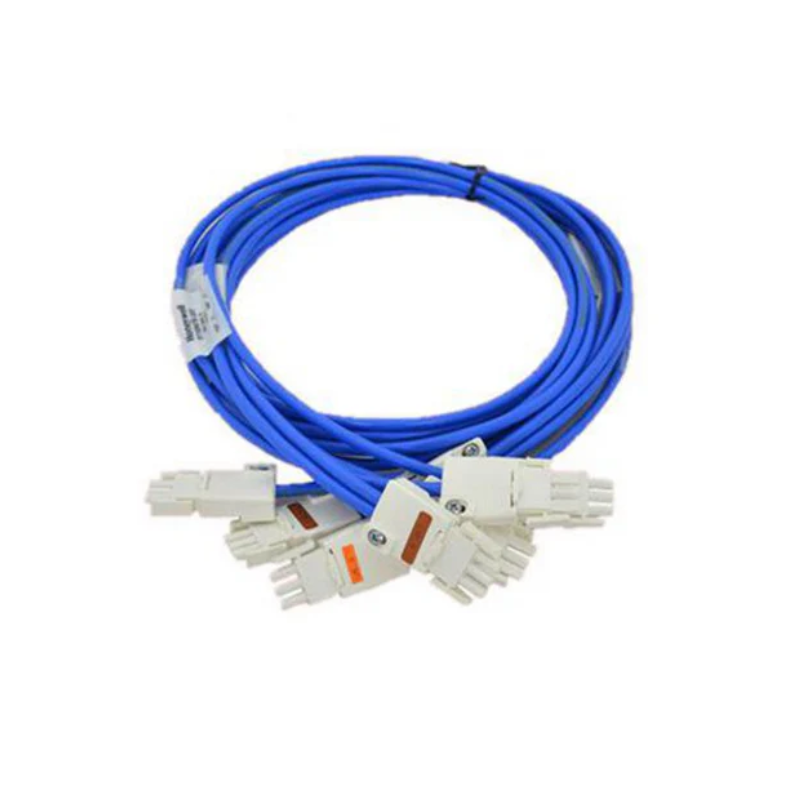
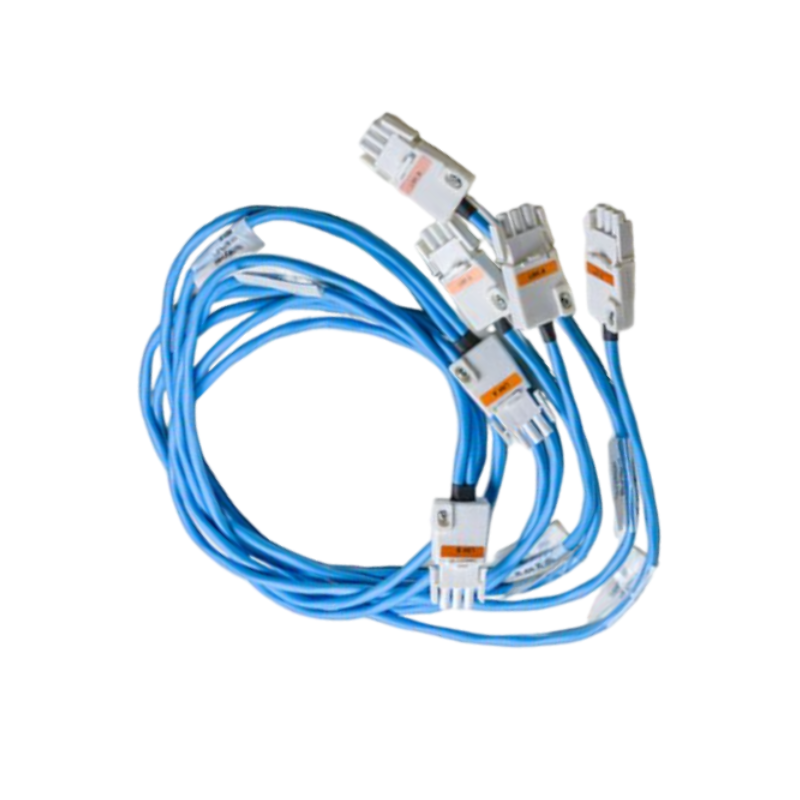
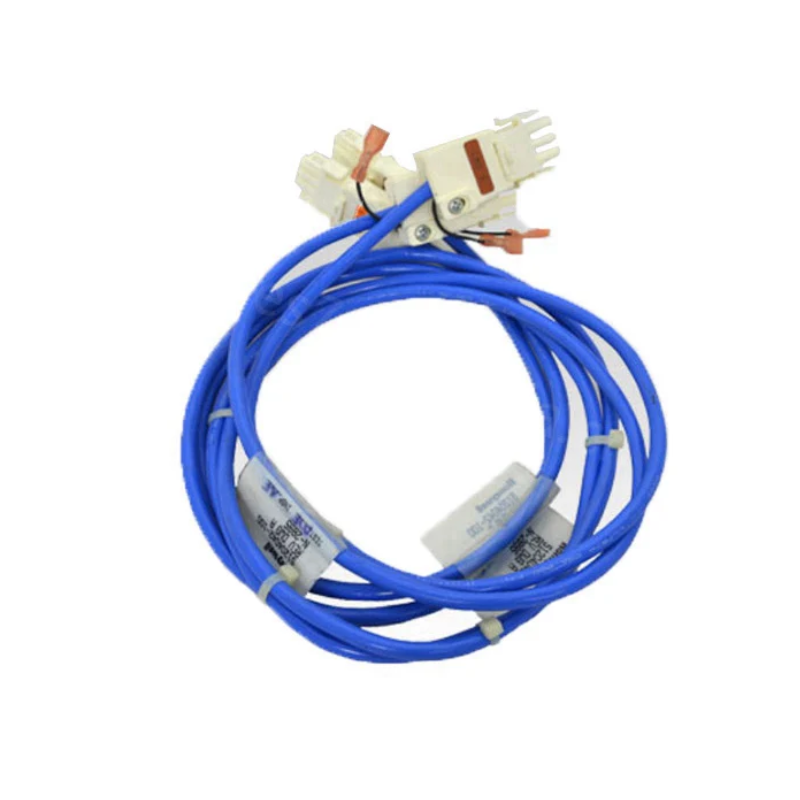
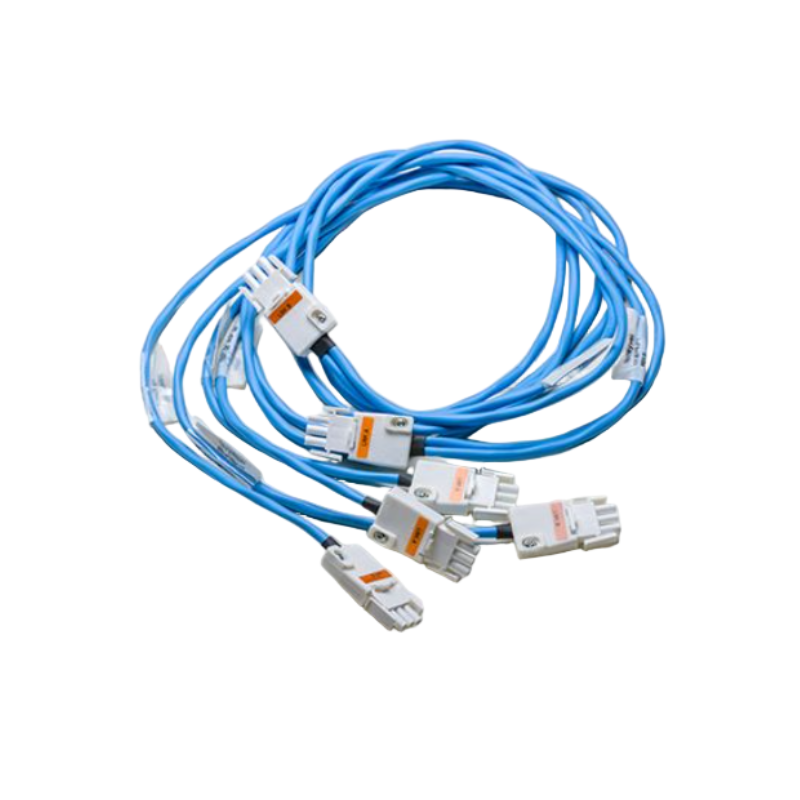
The 51195479‑200 is widely used wherever reliable I/O link communication is required:
-
Linking automation controllers to I/O expansion modules
-
Connecting field devices (sensors/actuators) to control systems
-
Supporting legacy Distributed Control System (DCS) architectures
-
Process automation in manufacturing plants
-
Communication paths in energy and utilities systems
-
Factory automation networking where industrial reliability is needed
Its shielding and temperature rating help maintain stable data transmission even in electrically noisy or thermally variable conditions.
Key Benefits
-
Robust Signal Integrity – Double shielding minimizes electromagnetic interference
-
Industrial Durability – Designed for extended service life in demanding environments
-
Reliable Connectivity – M12 connectors provide secure mechanical and electrical contact
-
Plug-and-Play Setup – No configuration needed; simple installation
-
Broad Compatibility – Works with Honeywell I/O systems and compatible automation networks
These features make this cable a dependable choice for OEM assemblies, plant expansions, and system upgrades.
Technical FAQs
-
What is the 51195479-200 used for?
It is an I/O Link cable for connecting controllers and field I/O devices in industrial automation.
-
What connectors does it use?
It uses industrial M12 connectors on both ends for secure connections.
-
What is the typical length?
Approximately 2 meters (6.5 feet).
-
Can it handle harsh environments?
Yes — double shielding and robust construction are suitable for industrial conditions.
-
Does it require configuration?
No — it is a passive cable with plug-and-play operation.
-
Is it compatible with Honeywell I/O modules?
Yes — designed to interface with Honeywell I/O Link systems.
-
What wire gauge is used?
22 AWG, balancing signal integrity and flexibility.
-
What temperature range does it support?
−40 °C to +85 °C for wide industrial applicability.
-
Is the cable shielded?
Yes — double shielding reduces interference.
-
Which industries commonly use this cable?
Process plants, utilities, manufacturing automation, and energy sectors.
 A DCS Q Co., Ltd. - PLC and DCS Industrial Control Equipment Wholesale