Typical Industrial Applications
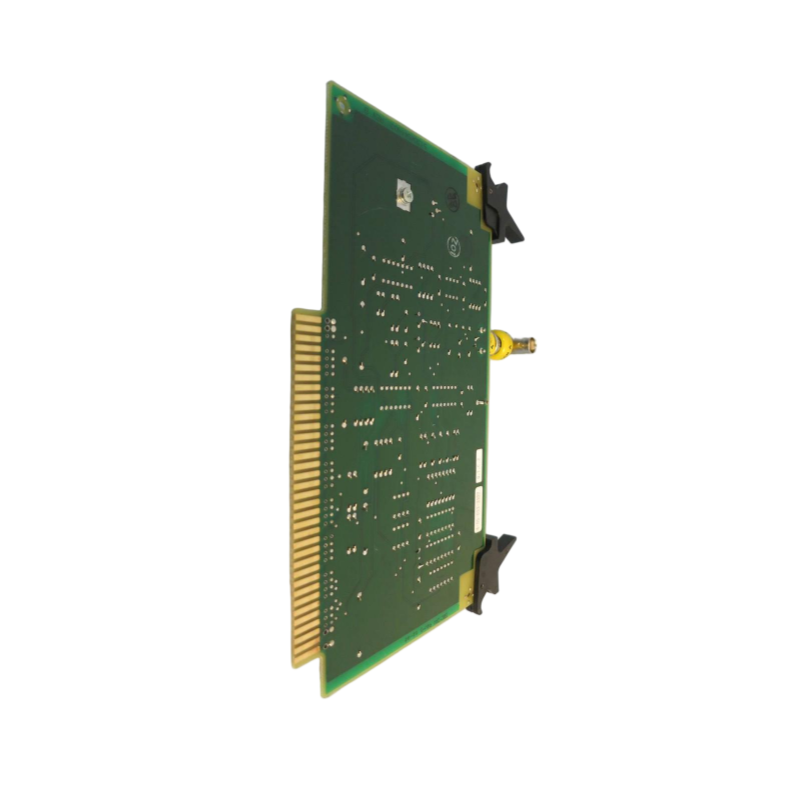
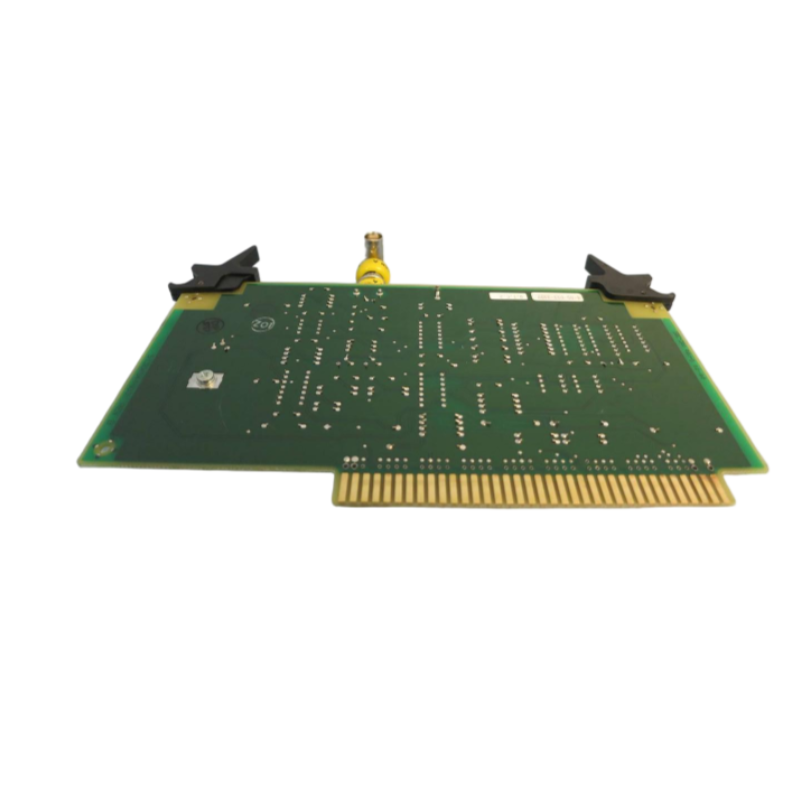
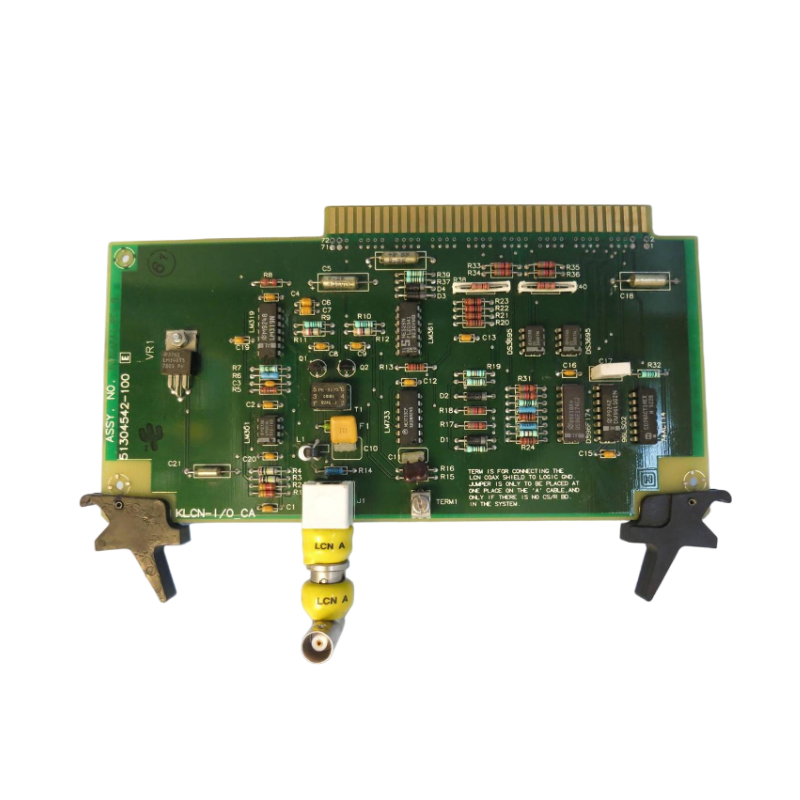
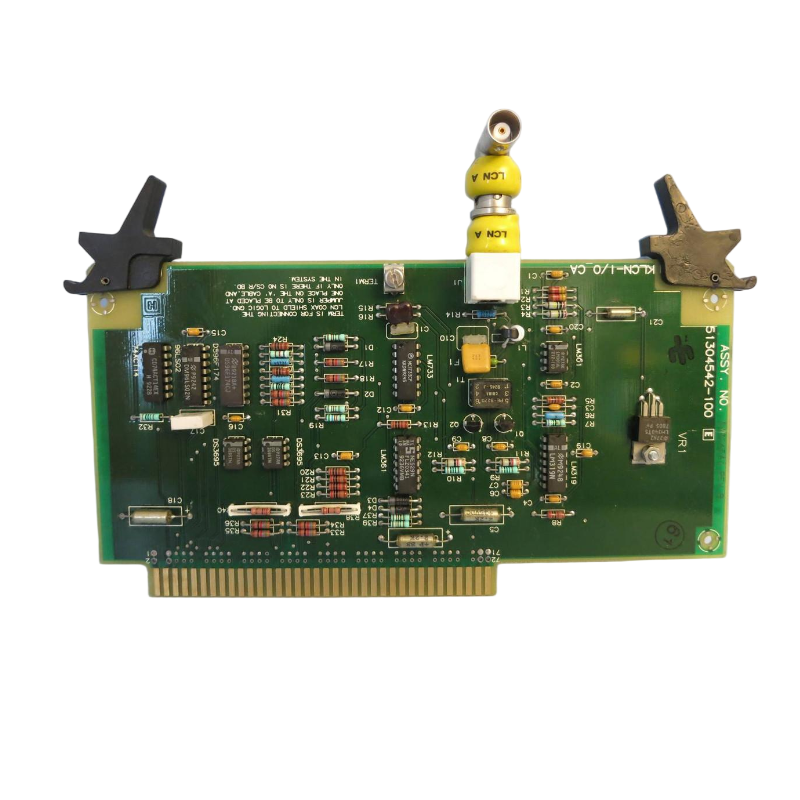
The Honeywell 51304542‑100 is used in legacy and distributed control systems where precise cabling and network segmentation are crucial:
-
Connecting control rack nodes in LCN (Local Control Network) systems
-
Linking redundant LCN A cable segments for communication backbone
-
Industrial process control installations requiring coaxial connectivity
-
Distributed automation networks in oil & gas, water, power, and manufacturing
-
Integration points between local control hardware and network segments
By ensuring correct electrical interfacing for the LCN A network cable, this board helps maintain system throughput and stable communications.
Key Benefits
-
Reliable Network Interface – Provides dependable connection for LCN A cabling in complex automation systems
-
Industrial‑Grade Design – Built to withstand demanding plant environments and continuous operation
-
Seamless Integration – Facilitates connection between field cabling and system chassis
-
Efficient Data Flow – Supports stable transmission across LCN bus segments
-
Legacy System Support – Ideal for maintaining and upgrading older control architecture installations
These strengths make the 51304542‑100 a practical choice for engineers managing Honeywell LCN/TDC systems that rely on robust cabling and signal continuity.
Technical FAQs
-
What is the primary function of the 51304542-100?
It converts and interfaces LCN A cable connections within Honeywell control systems.
-
Which systems is it compatible with?
It is typically used in Honeywell LCN/TDC-3000 distributed control systems.
-
Does it require external power?
No, it is a passive converter/interfacing board integrated into the chassis network.
-
What type of cable does it interface with?
It interfaces with coaxial LCN A network cable segments.
-
Is it suitable for continuous industrial use?
Yes — it is designed for industrial automation environments.
-
Can it be used in redundant networks?
Yes — separate LCN A and LCN B cable lanes can be managed through corresponding converter boards.
-
What industries commonly use this board?
Process plants, utilities, manufacturing, and distributed control installations.
-
Is this a field-replaceable unit?
Yes — it is designed to be replaced within the rack or chassis.
-
How does the converter board aid system performance?
By ensuring stable electrical interfacing and reducing signal degradation across LCN segments.
-
Does this board support modern protocols?
It primarily supports the legacy LCN network; modern protocol bridging requires additional interface modules.
 A DCS Q Co., Ltd. - PLC and DCS Industrial Control Equipment Wholesale