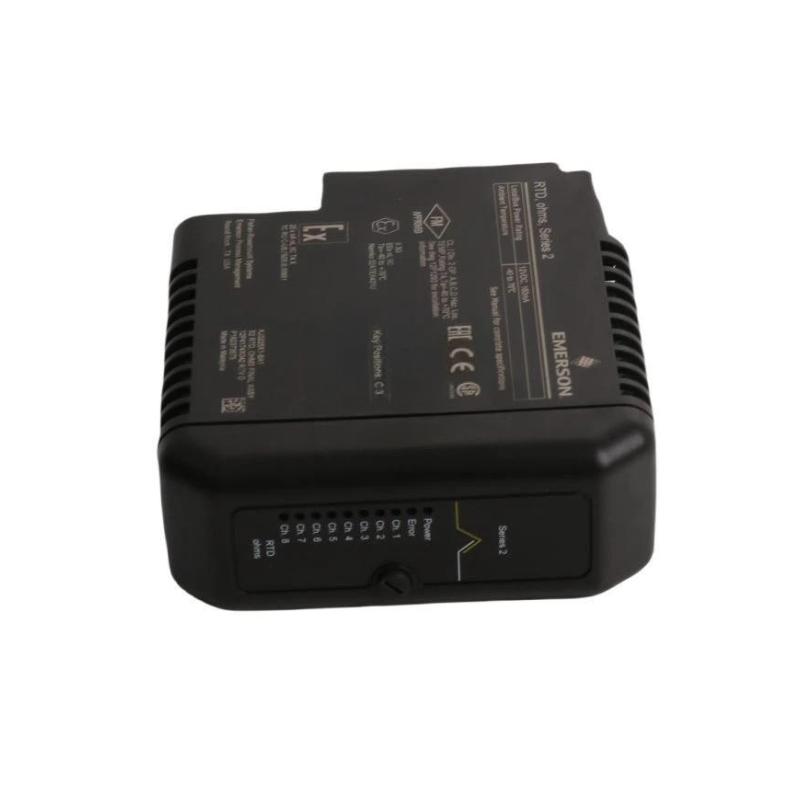
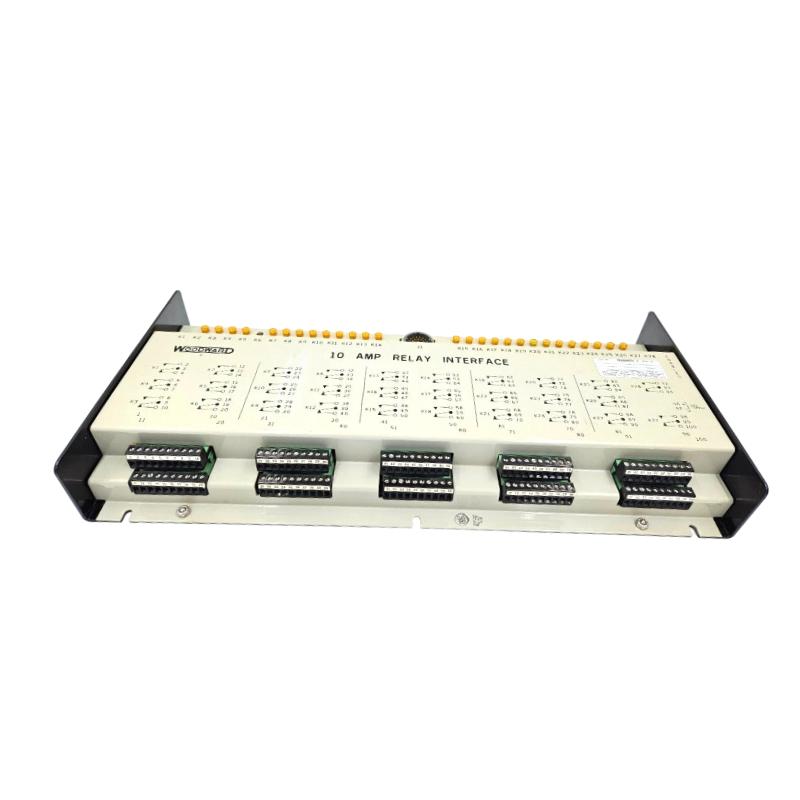
Application Scenarios
This burner module is widely used in systems where safe, sequenced combustion control is required:
-
Industrial boiler flame management – Ensures correct startup, flame stability, and safe shutdown
-
Commercial HVAC burners – Reliable control in large heating systems
-
Process furnaces and thermal oxidizers – Stable combustion performance for manufacturing
-
Combined heat and power (CHP) systems – Sequenced control for thermal generation units
-
Fuel‑fed heaters in industrial facilities – Safety logic with automated control
-
Energy plant burner systems – Robust operation under continuous use
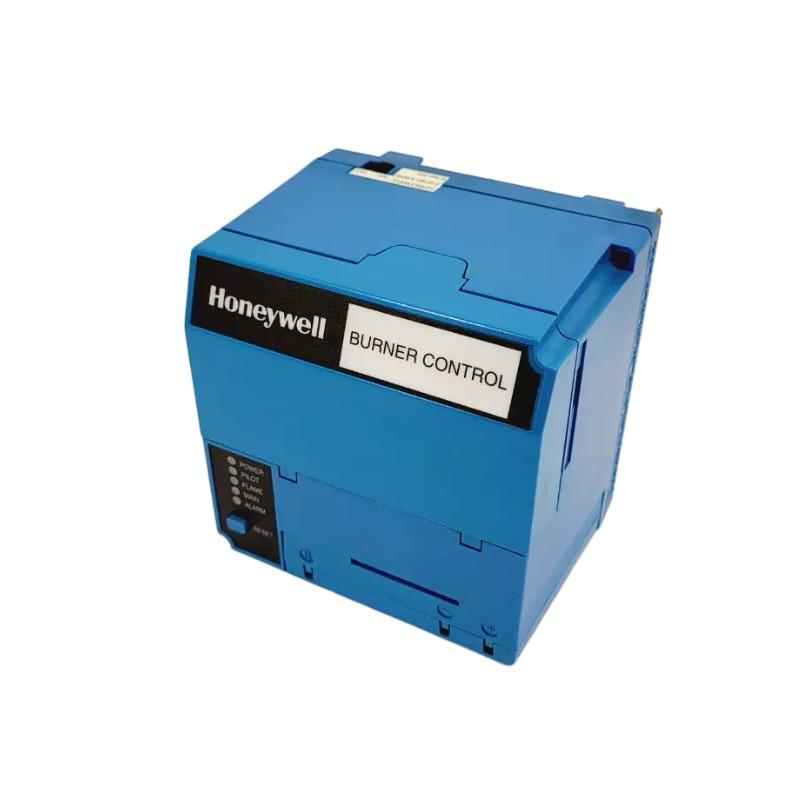
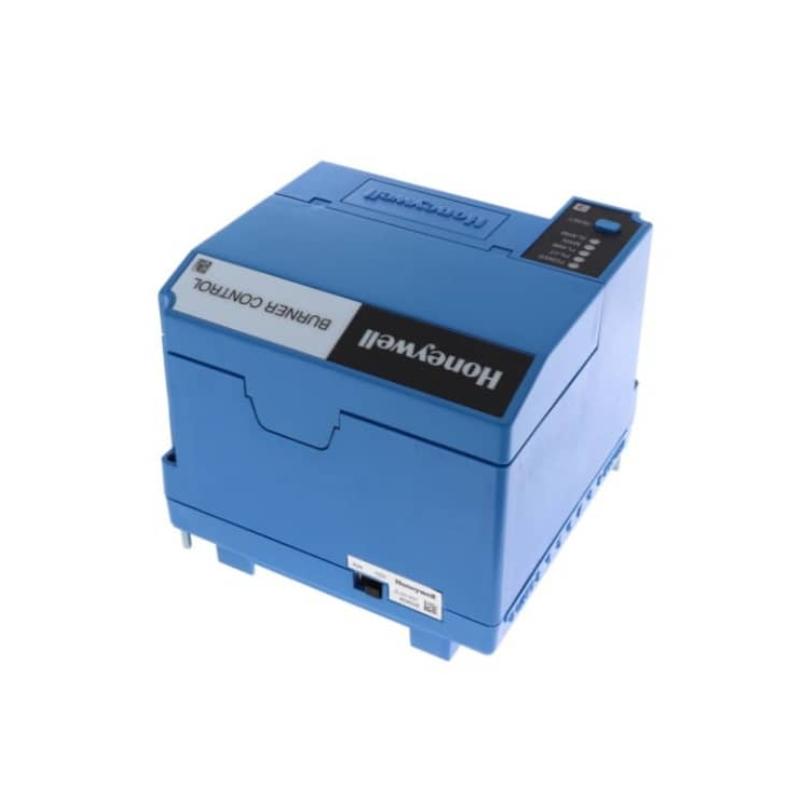
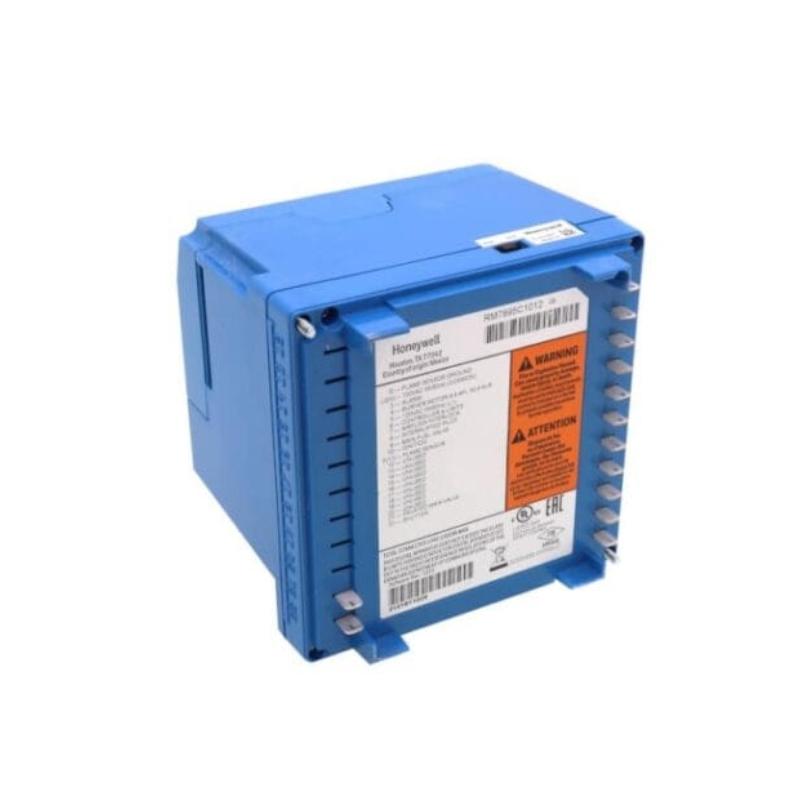
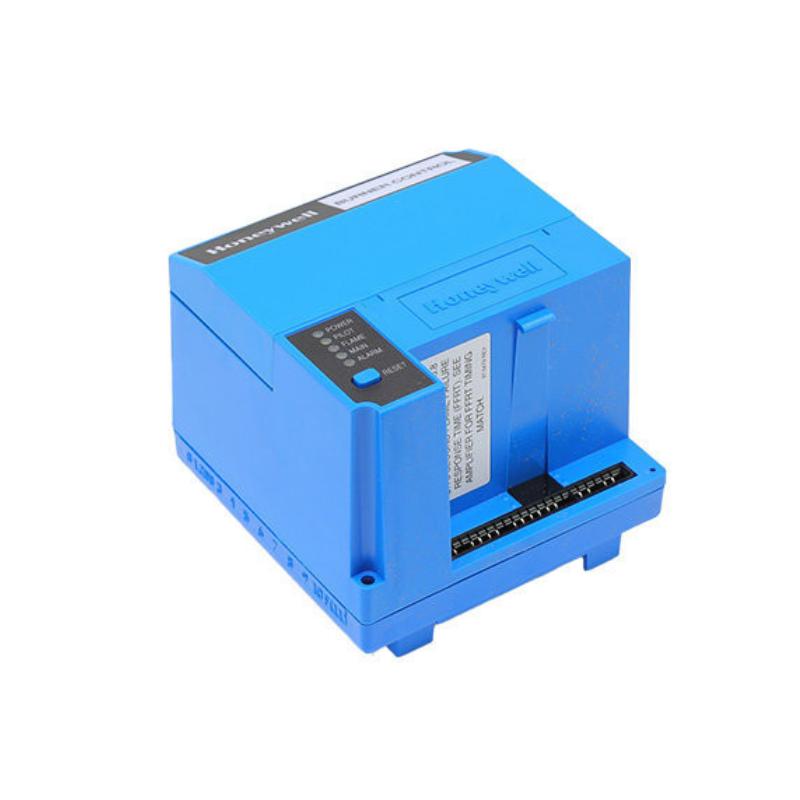
By managing key aspects of ignition and flame detection with integrated logic, the module helps protect equipment and personnel while improving process dependability.
Key Benefits
Key Benefits
-
Integrated Safety Sequencing – Flame detection, ignition, and shutdown logic in one module
-
Reliable Flame Management – Stable performance across repeated startup/shutdown cycles
-
Industrial Durability – Built to withstand demanding process environments
-
Space‑Efficient Form Factor – Compact enough for crowded control panels
-
Simplified System Design – Reduces need for multiple discrete safety and control components
These benefits make the RM7895C1012 a practical choice for OEMs, integrators, and end users striving for dependable combustion control.
Technical FAQs
-
What is the main function of the RM7895C1012?
This module automates ignition sequencing, flame detection, and safety interlock shutdown for burners.
-
Where is it typically installed?
Mounted within burner control panels or industrial enclosures near combustion equipment.
-
Does it include safety shutdown logic?
Yes — built‑in safety sequencing shuts down the system if unsafe conditions are detected.
-
What types of burners does it support?
Oil and gas burners in industrial and commercial heating systems.
-
Is user programming required?
No — it operates with predefined safety and control logic; installation wiring and configuration follow standard practice.
-
What voltage does it require?
It uses industry‑standard control voltage (e.g., 24 VAC typical).
-
Can it interface with flame detectors?
Yes — designed to work with common industrial flame sensors.
-
Is it suitable for continuous operation?
Yes — built for reliable performance in ongoing industrial environments.
-
Does it provide diagnostic feedback?
Integrated fault reporting supports easier commissioning and troubleshooting.
-
Can it be used in safety‑critical systems?
Yes — its integrated safety logic helps satisfy control and shutdown requirements.
 A DCS Q Co., Ltd. - PLC and DCS Industrial Control Equipment Wholesale