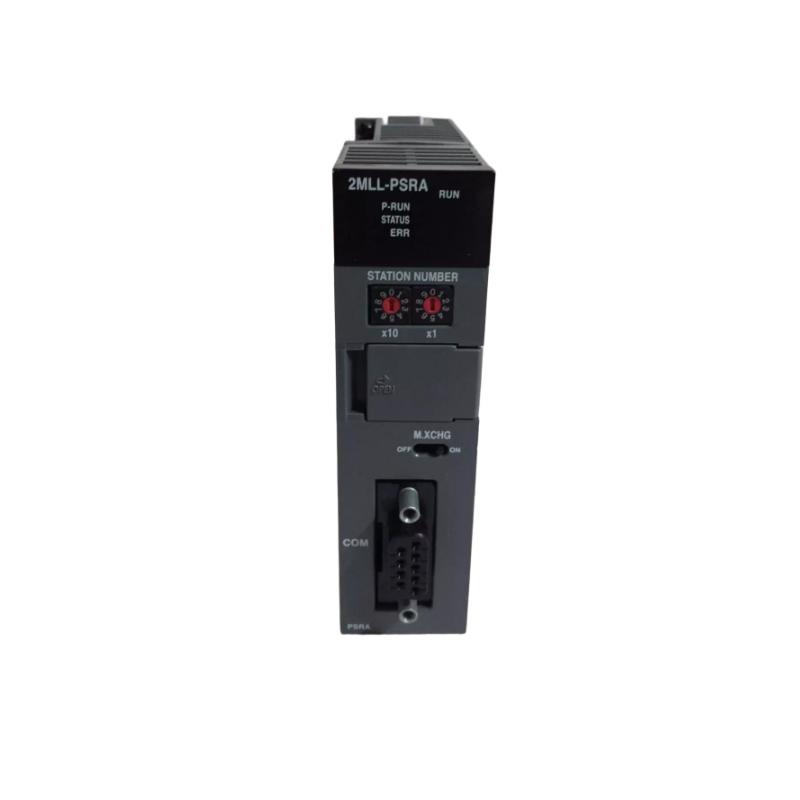
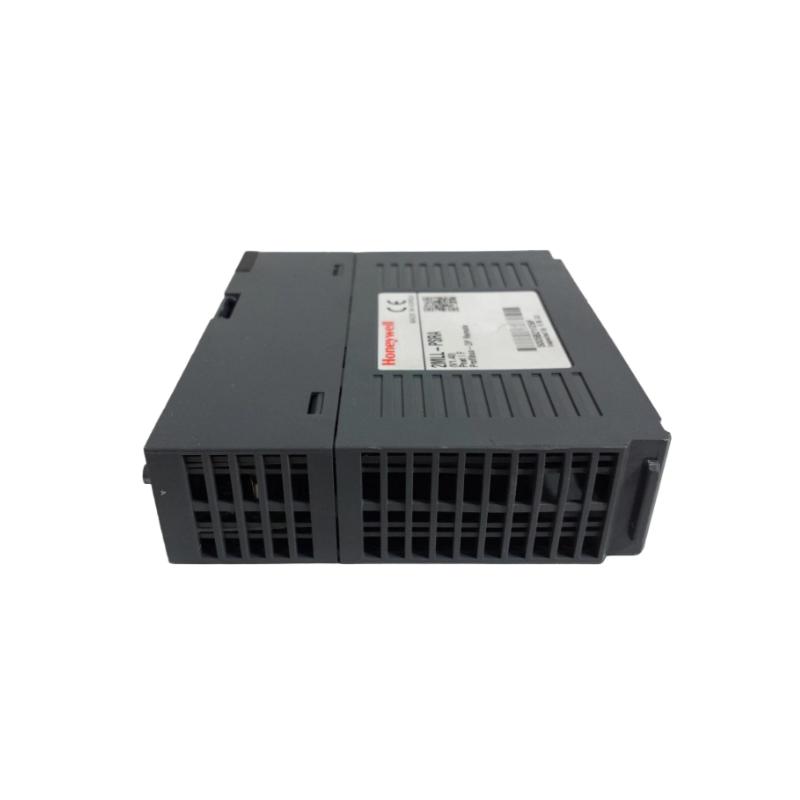
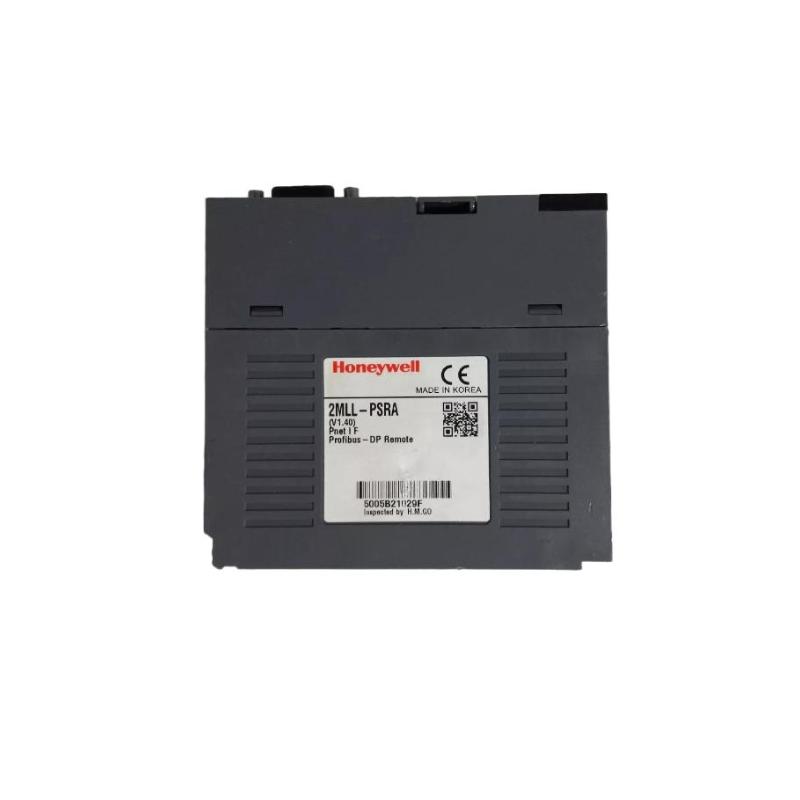
Application Scenarios
The 2MLL-PSRA is widely applied in environments where remote signal interfacing is needed:
-
Distributed remote I/O networks in process automation
-
Field station connectivity for PLCs and controllers
-
Integration of geographically dispersed equipment
-
Data acquisition from remote sensors and actuators
-
Extension of control networks without central rack proximity
-
Factory automation zones requiring remote interfacing
By providing a reliable link between central controllers and remote field assets, this module helps streamline large-scale industrial operations and simplifies network layout.
Operational Advantages
-
Reliable Remote Connectivity – Stable communication channel for remote devices
-
Field-Ready Construction – For continuous use in demanding industrial environments
-
Flexible Integration – Works with Honeywell process control ecosystems
-
Efficient Use of Space – Compact design fits within remote panels and cabinets
-
Enhanced System Scalability – Supports expansion of distributed I/O and control zones
These strengths make the 2MLL-PSRA a practical choice for facilities scaling beyond localized control and demanding dependable remote interfacing.
Technical FAQs
-
What is the main purpose of the 2MLL-PSRA?
It provides a remote interface pathway for distributed I/O and field devices to connect with central controllers.
-
Does it require external power?
Yes — in addition to backplane power, local auxiliary supply may be needed depending on deployment.
-
Which systems is it compatible with?
Honeywell distributed control and process automation systems.
-
Is software configuration required?
No — it operates as a hardware remote interface; system integration is handled via the hosting controller.
-
Can it support multiple remote devices?
Yes — it is designed to interface with remote I/O equipment and field devices.
-
Is the module suitable for continuous industrial use?
Yes — engineered for 24/7 operation in industrial conditions.
-
Does it require additional cooling?
No — standard panel ventilation is sufficient.
-
What industries typically use this module?
Oil & gas, chemical processing, manufacturing, utilities, and water treatment.
-
Is the module suitable for distributed network topologies?
Yes — it supports extended networks with remote station connectivity.
-
What is its expected service life?
Designed for long-term industrial use with minimal maintenance.
 A DCS Q Co., Ltd. - PLC and DCS Industrial Control Equipment Wholesale