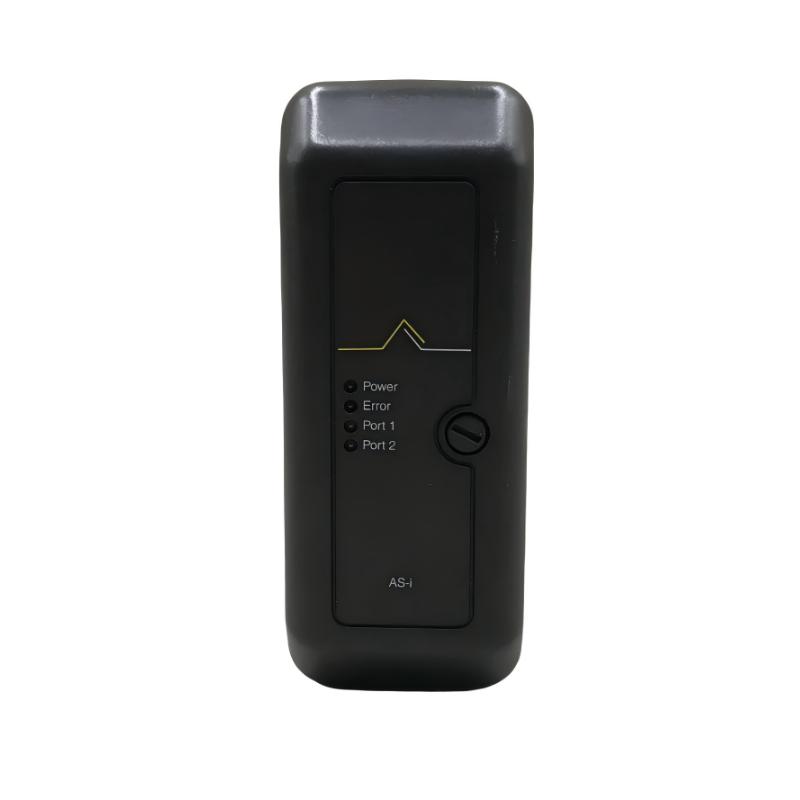
Application Scenarios
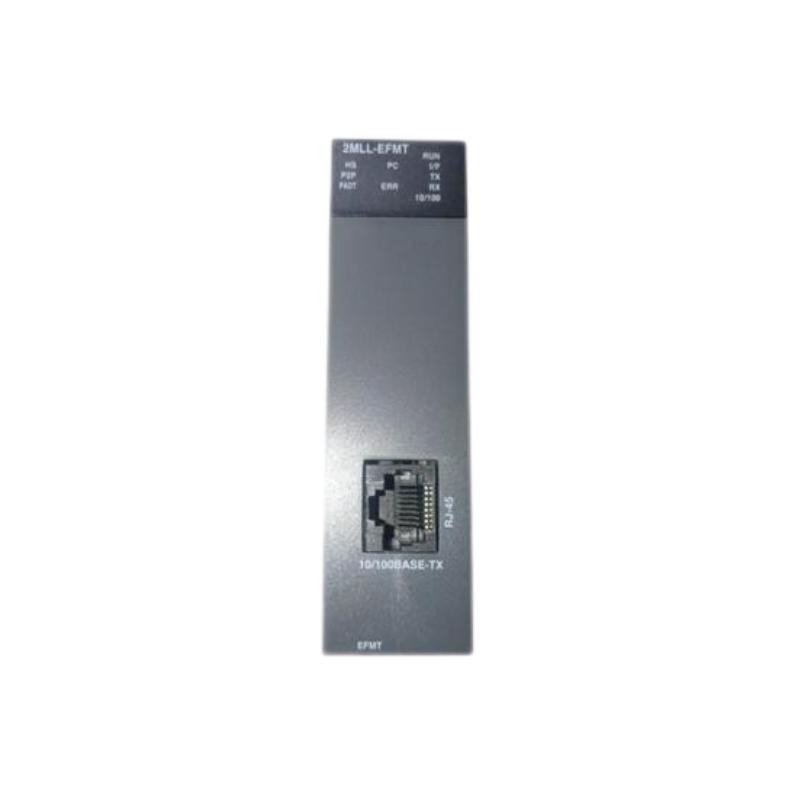
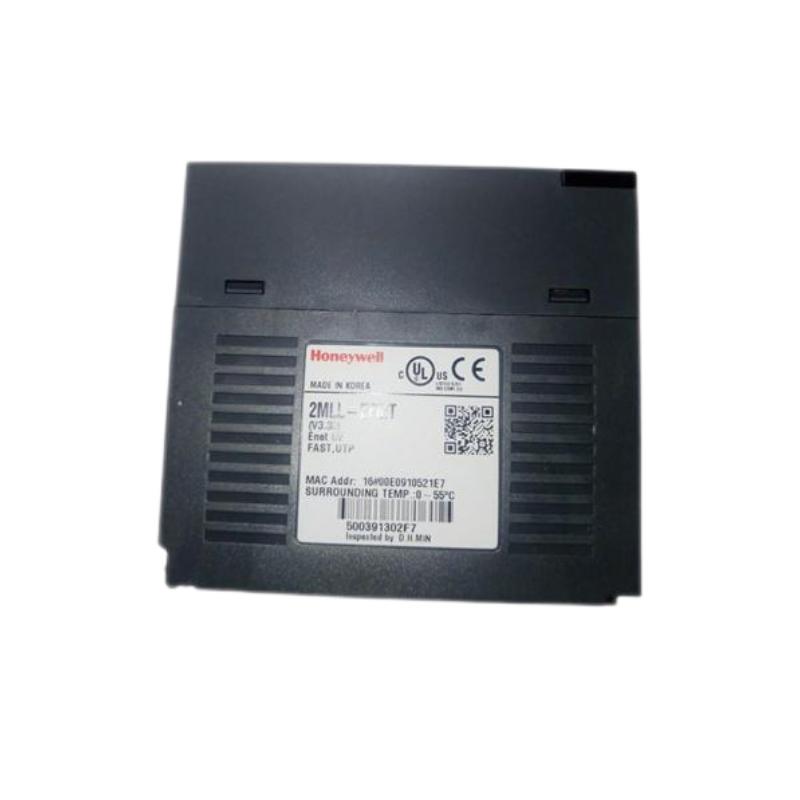
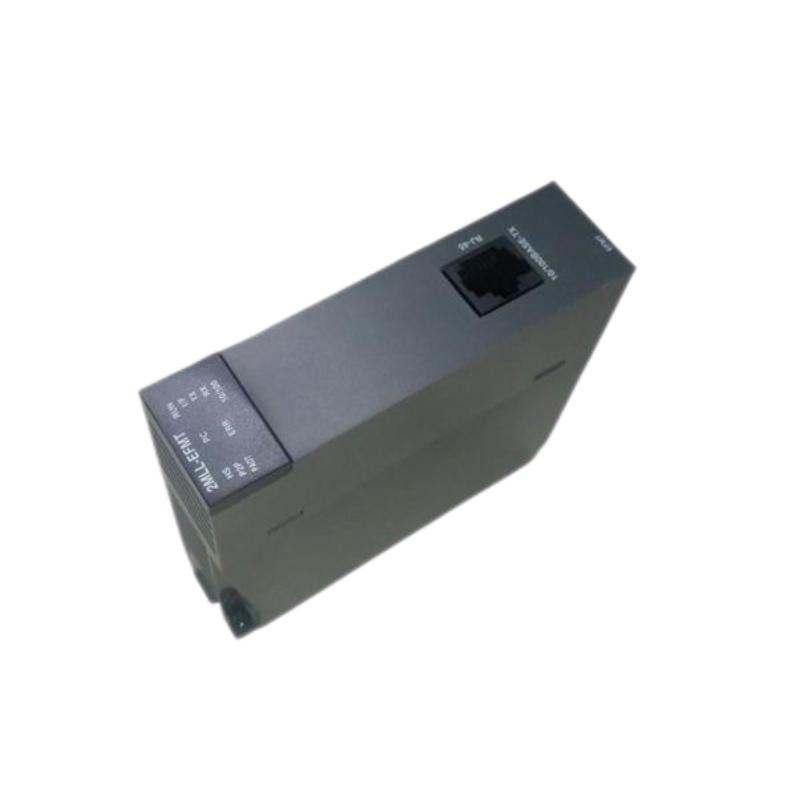
The 2MLL-EFMTB enhances communication infrastructures across a wide range of industrial settings where Ethernet connectivity is required:
-
Distributed Control Systems (DCS) with Ethernet backbones
-
Plant-wide network integration (SCADA, MES, historian connectivity)
-
High-speed data transfer between controllers and HMIs
-
Remote diagnostics and condition monitoring
-
Integration with third-party Ethernet devices and sensors
-
Redundant network configurations for uptime assurance
The dual-port design lends itself to flexible network topologies, including ring and segmented architectures tailored to reliability and performance needs.
Key Operational Advantages
-
Fast Ethernet Performance – Supports 10/100 Mbps for reliable real-time communication
-
Dual Port Flexibility – Two RJ-45 connectors for diverse network layouts
-
Industrial Durability – Built for continuous, mission-critical operation
-
Seamless System Integration – Works natively with Honeywell control ecosystems
-
Compact and Robust – Efficient use of control cabinet space with rugged construction
Whether used for data exchange, remote access, or integration with enterprise systems, the 2MLL-EFMTB adapts to demanding industrial network environments.
Technical FAQs
-
What primary function does the 2MLL-EFMTB serve?
It provides Fast Ethernet connectivity to Honeywell control systems and plant networks.
-
Which Ethernet speeds are supported?
The module supports both 10 Mbps and 100 Mbps Ethernet communication.
-
Does it require external power?
No — the module draws power directly from the system backplane.
-
How many network ports does it have?
Two RJ-45 ports with Auto-MDI/MDI-X support.
-
Is any software configuration required?
No configuration software is needed; it functions as a hardware interface.
-
Can it be used for SCADA/HMI network connectivity?
Yes, it supports reliable Ethernet connections to supervisory systems.
-
Is the module suitable for continuous industrial use?
Yes — it is designed for 24/7 operation in industrial environments.
-
Can it handle redundant network topologies?
Yes, the dual ports enable flexible network designs including redundancy.
-
Does it require additional cooling?
Standard panel ventilation is sufficient; no extra cooling is necessary.
-
What industries typically deploy this module?
Oil & gas, chemical, power generation, manufacturing, and process automation sectors.
 A DCS Q Co., Ltd. - PLC and DCS Industrial Control Equipment Wholesale