Introduction
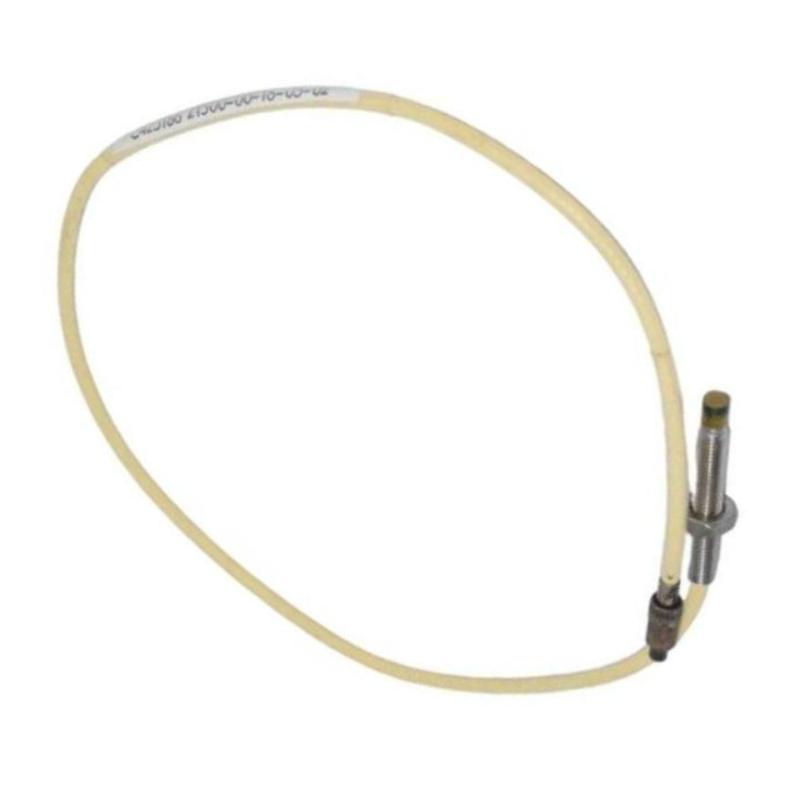
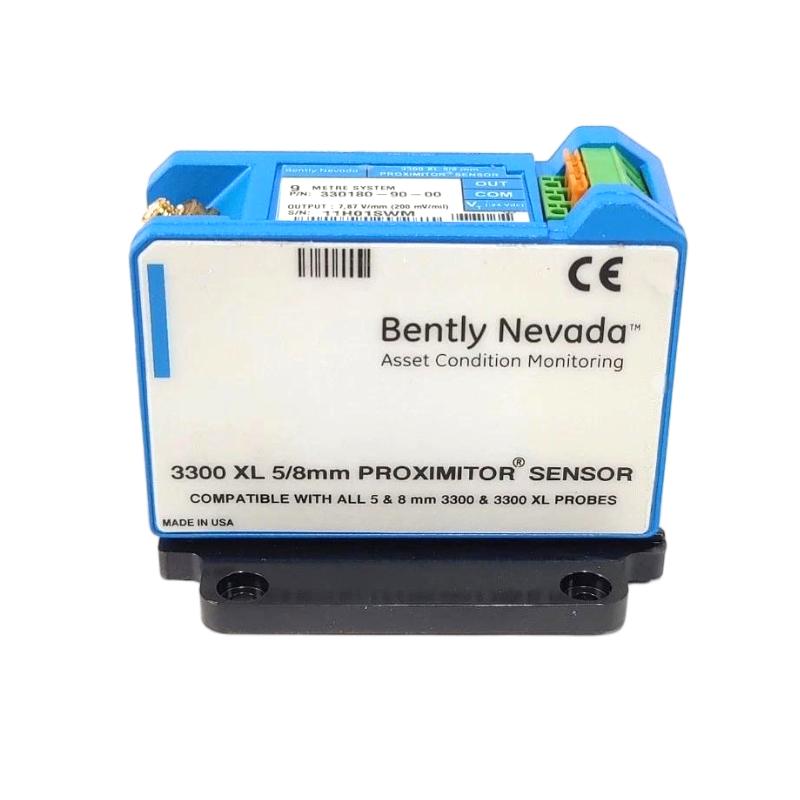
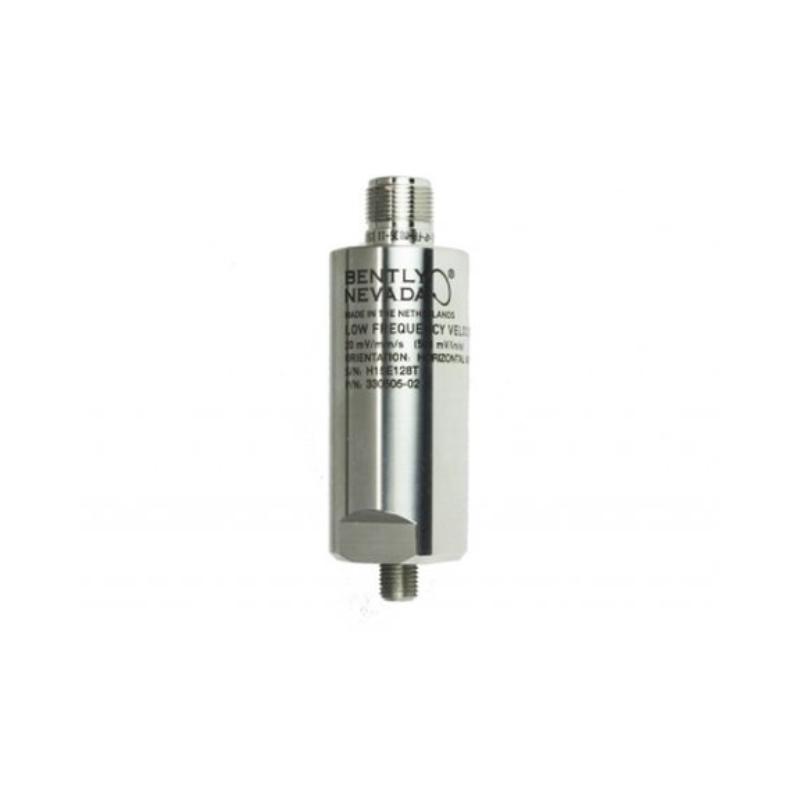
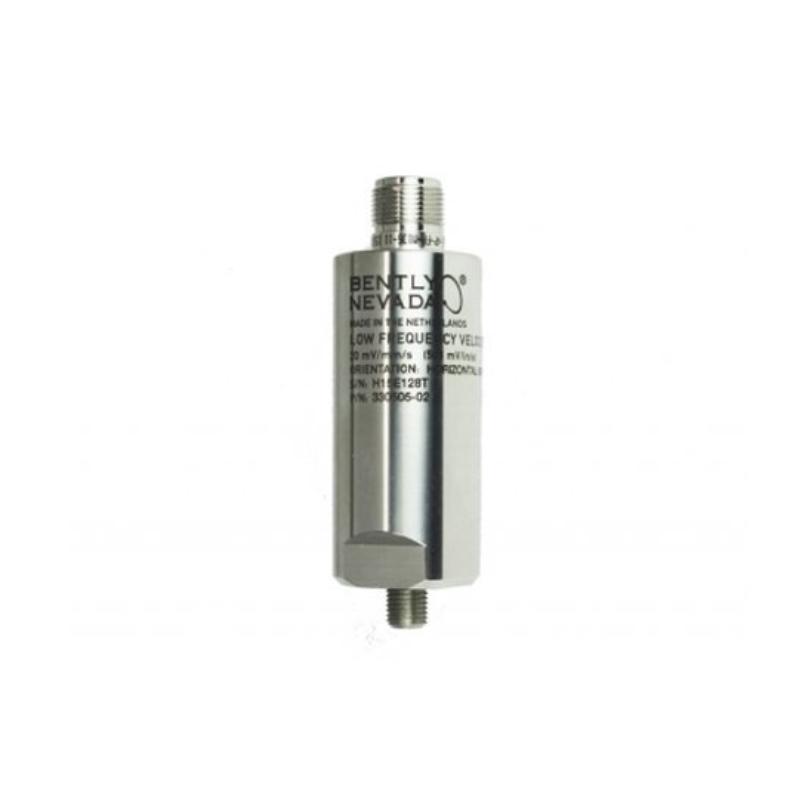
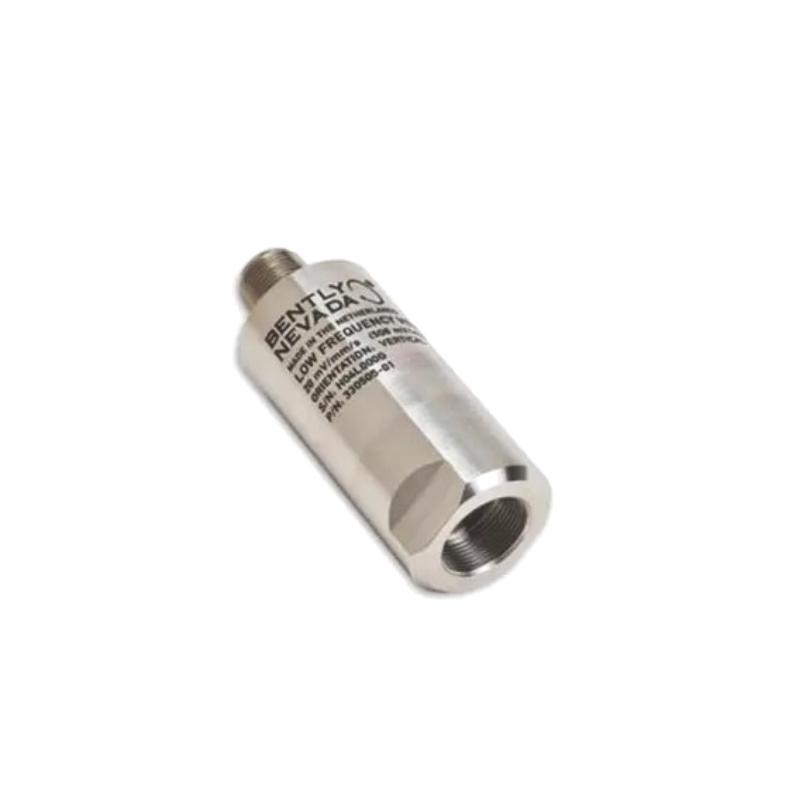
The Bently Nevada 330505‑02 Low Frequency Speed Sensor is a high‑reliability industrial transducer engineered for accurate rotational speed detection on critical machinery. Developed for use with condition monitoring and protection systems, this low frequency speed sensor converts mechanical motion into a stable electrical signal, enabling reliable speed measurement and phase reference for vibration analysis, machine protection logic, and control systems. Built for rugged operating environments, the 330505‑02 supports continuous monitoring strategies that enhance machine reliability and reduce unplanned downtime.
Technical Specifications
| Specification | Details |
|---|
| Model | 330505‑02 |
| Product Type | Low Frequency Speed Sensor |
| Sensing Principle | Variable reluctance / magnetic speed sensing |
| Output Type | AC voltage signal proportional to rotational speed |
| Frequency Response | Optimized for low RPM ranges typical of large rotating equipment |
| Target Type | Ferromagnetic gear teeth, keyphasor discs, or equivalent speed targets |
| Operating Voltage | Passive sensor (no external power required) |
| Operating Temperature | –40 °C to +120 °C (–40 °F to +248 °F) |
| Storage Temperature | –40 °C to +120 °C (–40 °F to +248 °F) |
| Humidity Tolerance | Up to 95 % non‑condensing |
| Housing Material | Rugged industrial enclosure |
| Connector Type | Industrial sensor connector (system dependent) |
| Cable Requirements | Shielded cable for noise immunity |
| Weight | Approx. 0.25–0.40 kg (0.55–0.88 lb) |
| Environmental Rating | Designed for harsh industrial and field conditions |
Applications
This low frequency speed sensor is commonly used in industrial automation and machinery health monitoring systems where accurate speed feedback is essential:
-
Rotational speed detection on large turbines, generators, compressors, and pumps
-
Machine condition monitoring feeding vibration analyzers and protective logic
-
Keyphasor reference generation for phase‑based vibration analysis
-
Control system feedback for PLC, DCS, or dedicated monitoring hardware
-
Predictive maintenance implementations using trend data for RPM and phase signatures
By providing consistent, low‑noise speed signals, the 330505‑02 assists in detection of speed fluctuations that could indicate developing mechanical issues.
Advantages
-
Accurate Low RPM Detection: Optimized for slow to moderate speed ranges where other sensors may struggle.
-
Passive Sensor Design: Operates without external power, delivering simplicity and reliability.
-
Industrial Durability: Engineered to withstand wide temperature ranges and high humidity typical of plant environments.
-
Low Electrical Noise: When used with shielded cabling, provides clean speed signals for monitoring and protection systems.
-
Flexible Integration: Standardized analog output interfaces easily with vibration analyzers, PLC/DCS analog input modules, and protection logic.
-
Enhanced Diagnostic Value: Stable speed and phase references improve vibration analysis accuracy and early fault detection.
These strengths make the 330505‑02 a trusted sensor for rotating machinery speed measurement and condition monitoring.
Technical FAQs (Frequently Asked Questions)
-
What does the 330505‑02 sensor measure?
It measures rotational speed by generating an electrical signal proportional to the passage of ferromagnetic features (gear teeth, keyphasor targets) past the sensor.
-
Does this sensor require external power?
No — it is a passive sensor that generates its output signal without an external power supply.
-
What types of machinery is it suitable for?
It is ideal for turbines, compressors, pumps, and other slow to moderate speed machines where low frequency speed detection is needed.
-
How is the sensor mounted?
Mounting depends on the machine configuration; typical methods include bracket or flange with sensor gap set to match the target rotation path.
-
Is specialized cable required?
Yes — shielded cable is recommended to minimize electrical noise and maintain signal integrity.
-
Can it operate in harsh environments?
Yes — it tolerates wide temperature ranges and high humidity common in industrial installations.
-
What output signal format does it produce?
It produces an AC voltage waveform whose frequency corresponds to speed, which can be interpreted by monitoring or control systems.
-
Does it support phase reference generation?
Yes — the speed signal can be used as a Keyphasor or phase reference input for vibration analysis systems.
-
Can it integrate with PLC/DCS systems?
Yes — its analog speed signal can be conditioned or interfaced directly to PLC or DCS analog inputs where supported.
-
How does it support reliability programs?
By providing accurate speed data, it enables detection of anomalies such as speed instability, shaft wobble, and phase shifts early in fault development.
 A DCS Q Co., Ltd. - PLC and DCS Industrial Control Equipment Wholesale