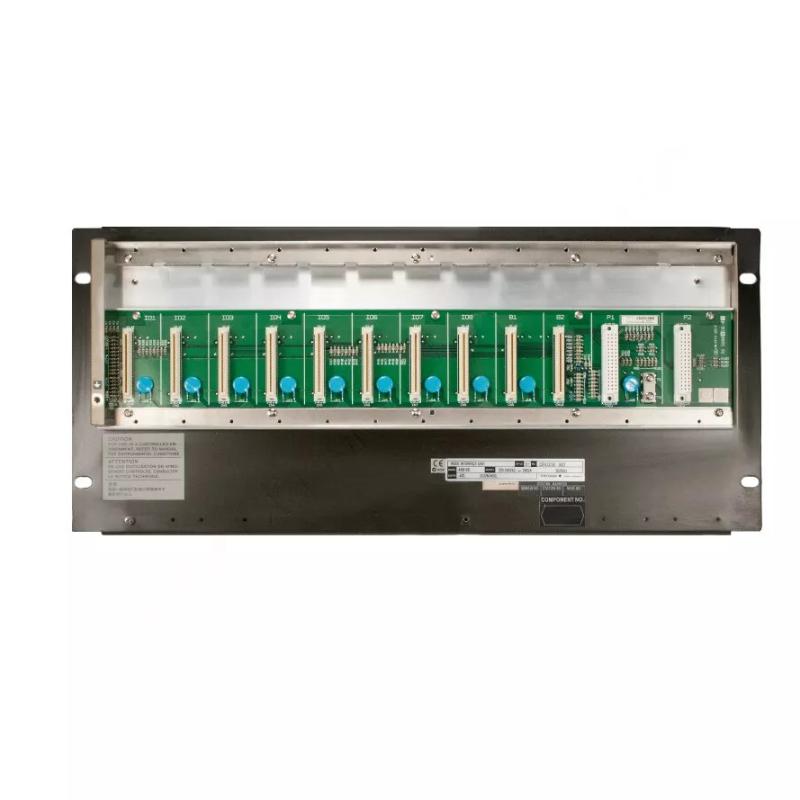
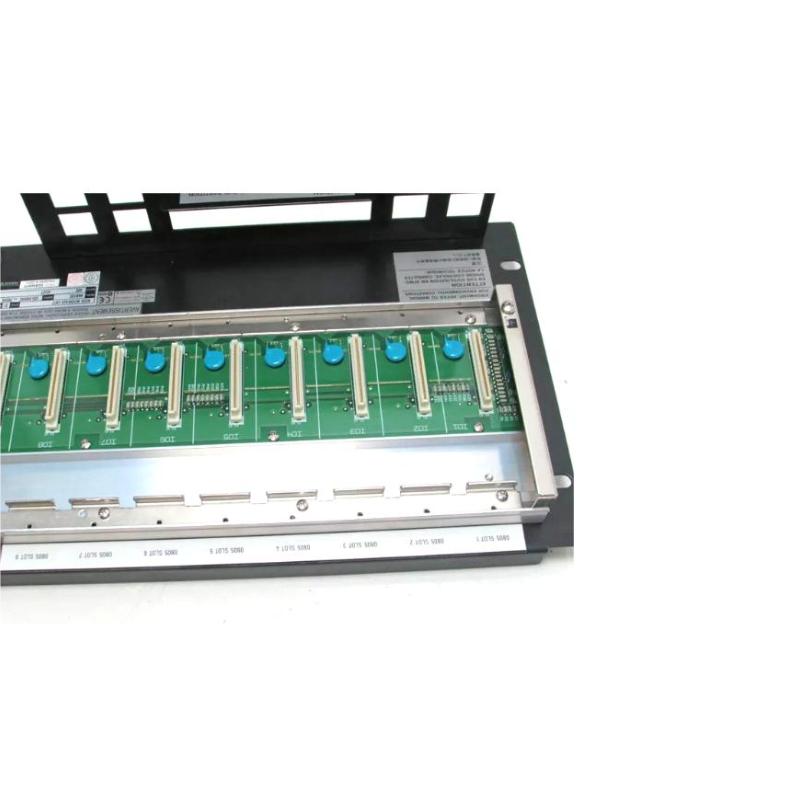
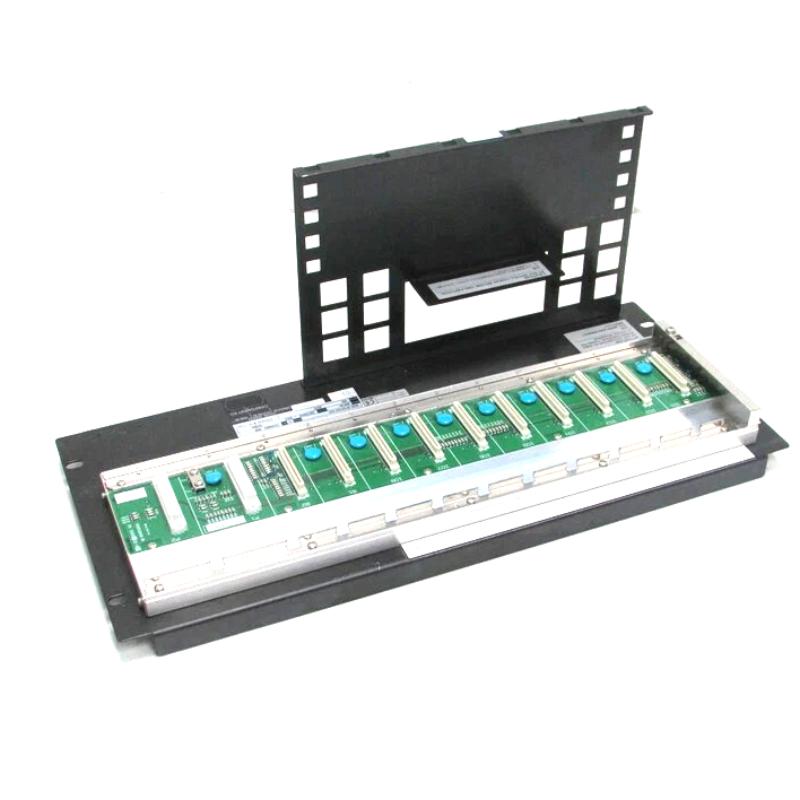
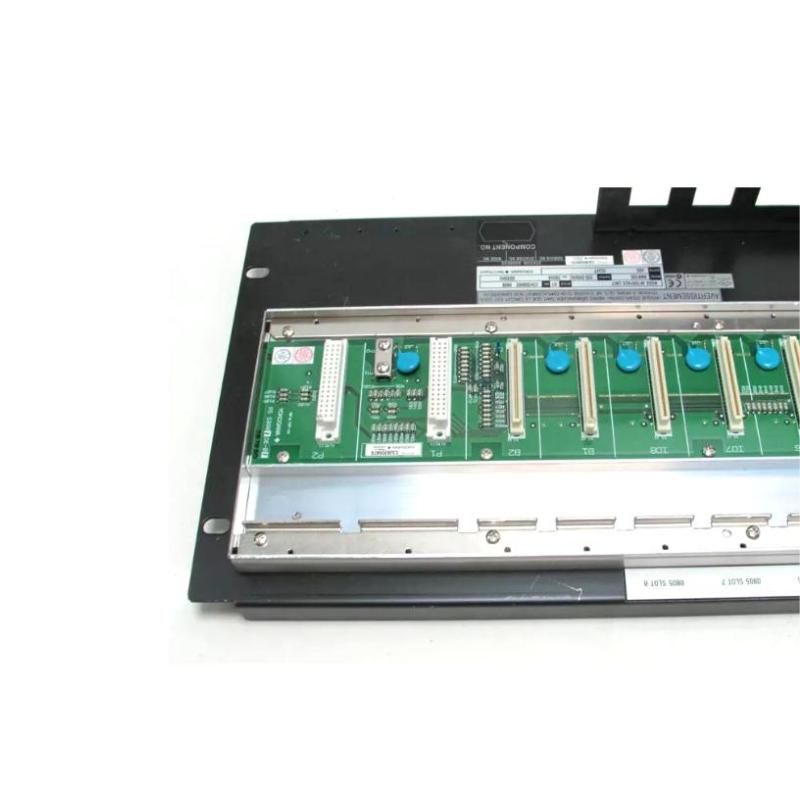
Applications Where It Excels
The ANB10D-420 S2 ESB Bus Node Unit finds purpose across a spectrum of critical infrastructure sectors:
-
Refining and Petrochemicals – Real-time acquisition for process loops and safety interlocks
-
Power Plants – Redundant field bus node for turbine and auxiliary system control
-
Water & Wastewater Treatment – Distributed I/O aggregation in remote skids
-
Pharmaceutical Batch Control – Deterministic communication for precision processes
-
Mining and Metals – Harsh-environment I/O communication with minimal downtime
With a modular footprint and versatile I/O compatibility, this node unit enables consistent integration across diverse control architectures.
Advantages & Key Benefits
-
Redundant ESB Connectivity – Dual link paths ensure uninterrupted data flow and reduce susceptibility to bus failures.
-
Modular Expansion – Easy to scale with additional I/O modules as project requirements evolve.
-
Industrial Durability – Designed for high vibration, temperature variation, and electrical noise often seen in factory and plant floors.
-
Simplified Integration – Seamless with Yokogawa DCS infrastructures and development tools.
-
Operational Resilience – Minimizes maintenance windows with robust design and serviceability.
These benefits translate into higher system uptime, lower total cost of ownership, and confidence for mission-critical automation.
Technical FAQs
-
What sets the S2 variant apart?
The S2 designation typically indicates enhanced internal configuration or updated firmware capabilities for ESB networking.
-
What communication protocol does the unit use?
It uses the Enhanced System Bus (ESB) protocol with redundant links for enhanced reliability.
-
Can it handle both analog and digital signals?
Yes, the node supports both analog and contact (digital) I/O modules.
-
Is the unit suitable for redundant power supply setups?
Yes, it supports redundant AC or DC power configurations based on system design.
-
What are the approximate physical dimensions?
Approximately 482 mm (W) × 132 mm (H) × 400 mm (D).
-
What is its approximate installed weight?
Around 10.5 kg when populated with I/O modules.
-
Does it require special environmental protection?
It is built to tolerate industrial operating conditions without special enclosures.
-
How does it integrate with central controllers?
Via the ESB network to Yokogawa Field Control Units (FCUs) or equivalent automation processors.
-
Can modules be replaced in the field?
Replacement depends on system architecture and safety protocols; field maintenance procedures should be followed.
-
What safeguards exist against communication loss?
Dual-redundant ESB links and proper termination help safeguard signal continuity even upon single path degradation.
 A DCS Q Co., Ltd. - PLC and DCS Industrial Control Equipment Wholesale