Core Use Cases & Implementation Scenarios
ANB10D-420 excels in applications where deterministic and robust field communication is essential. It is widely deployed in:
-
Process Plants: Real-time signal acquisition in oil, gas, chemical, and refining sectors
-
Power Generation: Redundant communication for turbine control and safety systems
-
Water & Wastewater: Field I/O aggregation for remote pump and sensor networks
-
Pharmaceutical Manufacturing: High availability control loops and batch processes
-
Large-Scale Facilities: Modular expansion of distributed control systems
This unit thrives where modular expansion and field bus resiliency are priorities, translating into improved system uptime and streamlined maintenance.
Advantages & Differentiators
-
Deterministic ESB Communication: Ensures timely and predictable transfer of field data.
-
Redundancy Ready: Dual power and bus paths increase availability in critical systems.
-
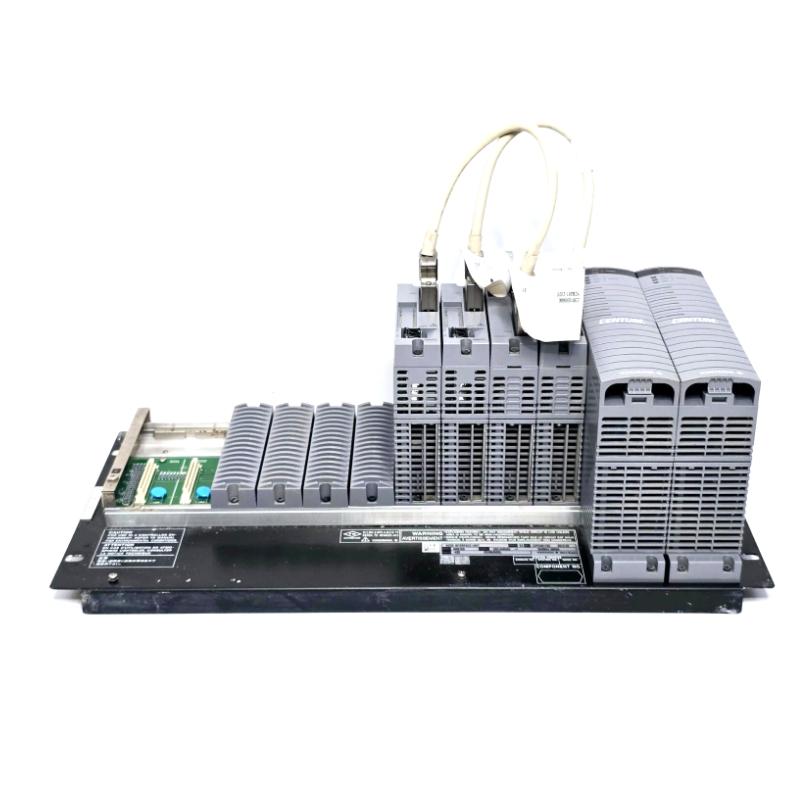
Modular Scalability: Easily fits into larger I/O and controller networks without redesign.
-
Industrial Hardened: Designed for harsh temperatures, vibration, and electrical noise.
-
Simplified System Integration: Harmonizes with Yokogawa DCS environments out of the box.
These attributes translate directly into lower lifecycle costs and higher operational confidence for automation engineers and operations teams.
Technical FAQ / Common Inquiry Set
-
What bus protocol does the ANB10D-420 use?
It uses Yokogawa’s Enhanced System Bus (ESB) with support for dual-redundant links.
-
Can it support both analog and digital I/O?
Yes, the node interfaces with both analog and contact I/O modules.
-
Is the unit hot-swappable in a live system?
Hot-swapping is dependent on the overall system architecture and redundancy; consult your system integrator for safe procedures.
-
What mounting infrastructure is required?
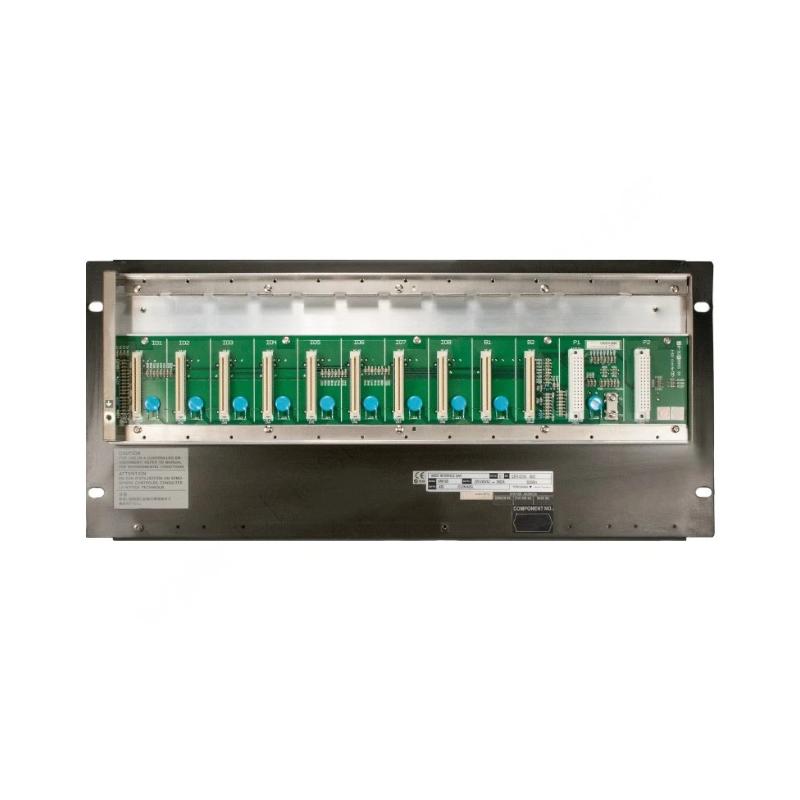
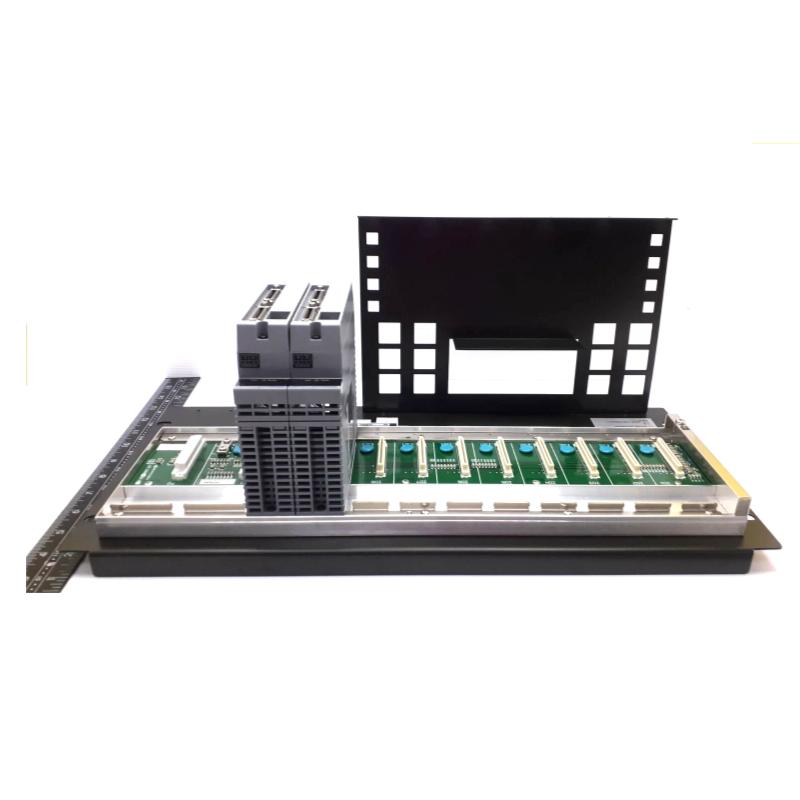
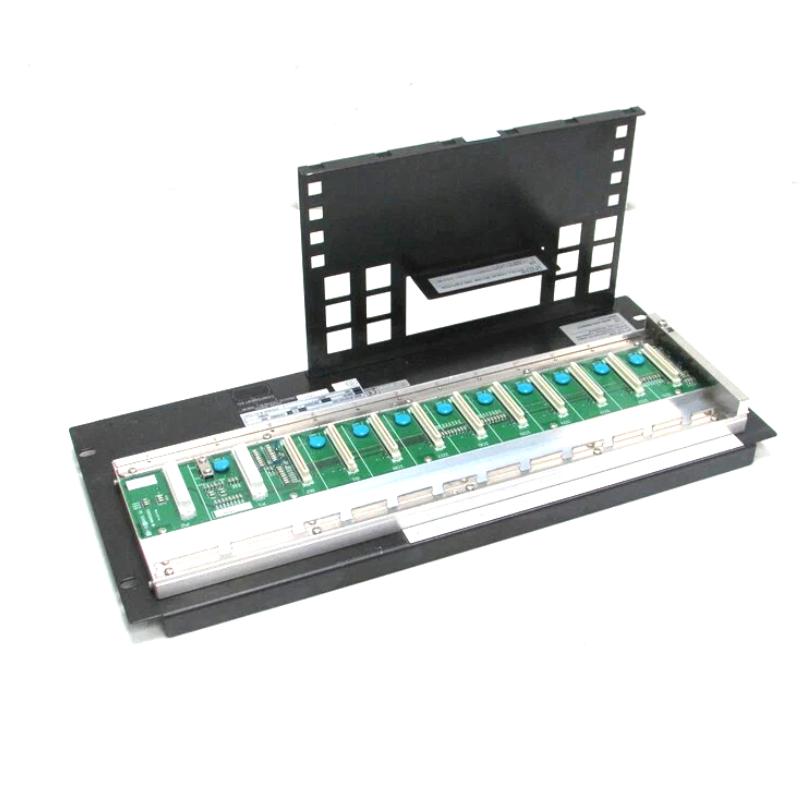
Standard 19-inch rack mount with appropriate ventilation and clearance.
-
What are the typical dimensions and weight?
Approximately 482 mm × 132 mm × 400 mm and about 10.2 kg installed.
-
Does it support redundant power feeds?
Yes, configurations with dual power inputs are supported.
-
How does it communicate with the central controller?
Over the ESB network, providing deterministic data exchange.
-
Are special termination modules required?
ESB bus terminations are recommended where appropriate to maintain signal integrity.
-
What environmental conditions can it tolerate?
Designed for industrial temperature ranges with vibration and electrical noise robustness.
-
Can firmware be updated in the field?
Firmware updates are typically performed under controlled maintenance conditions following Yokogawa procedures.
 A DCS Q Co., Ltd. - PLC and DCS Industrial Control Equipment Wholesale