Introduction
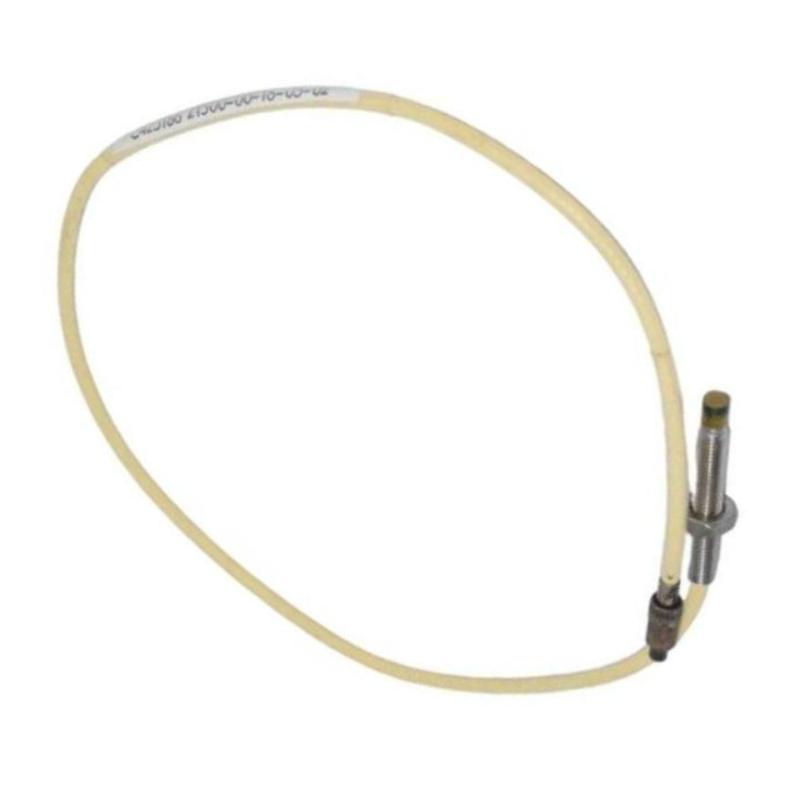
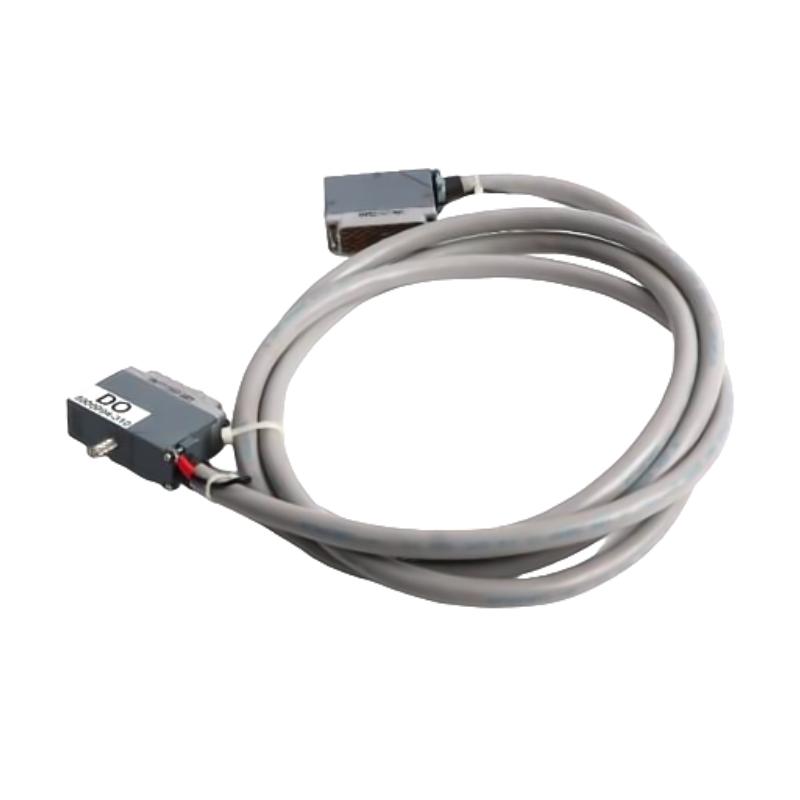
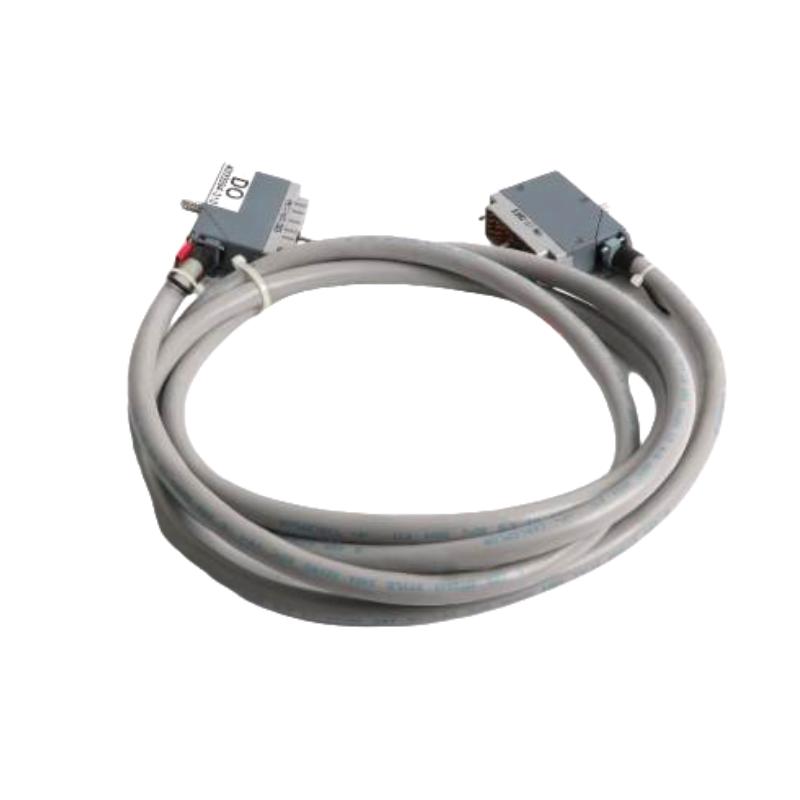
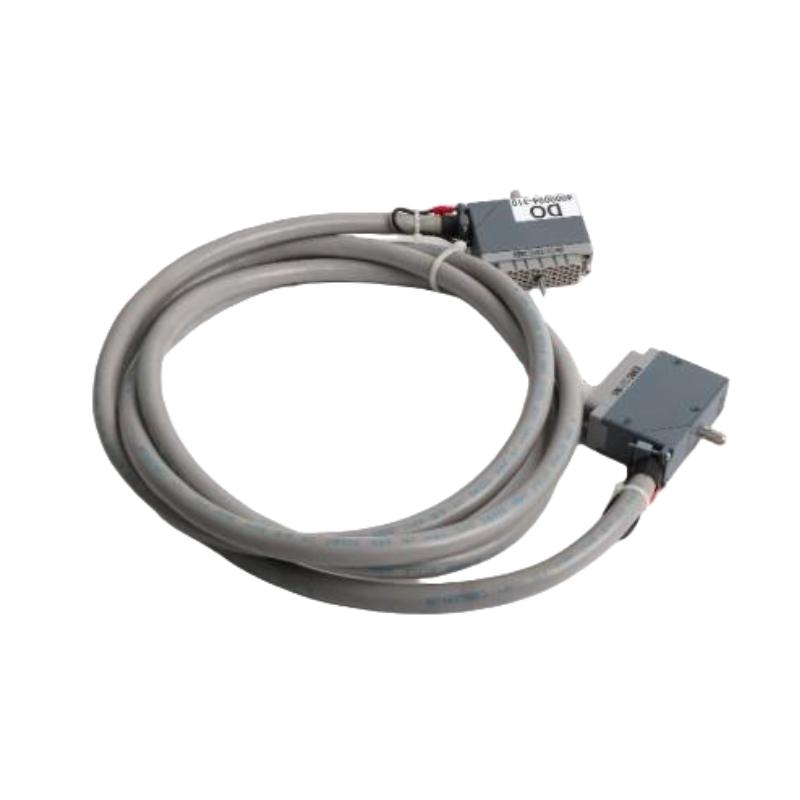
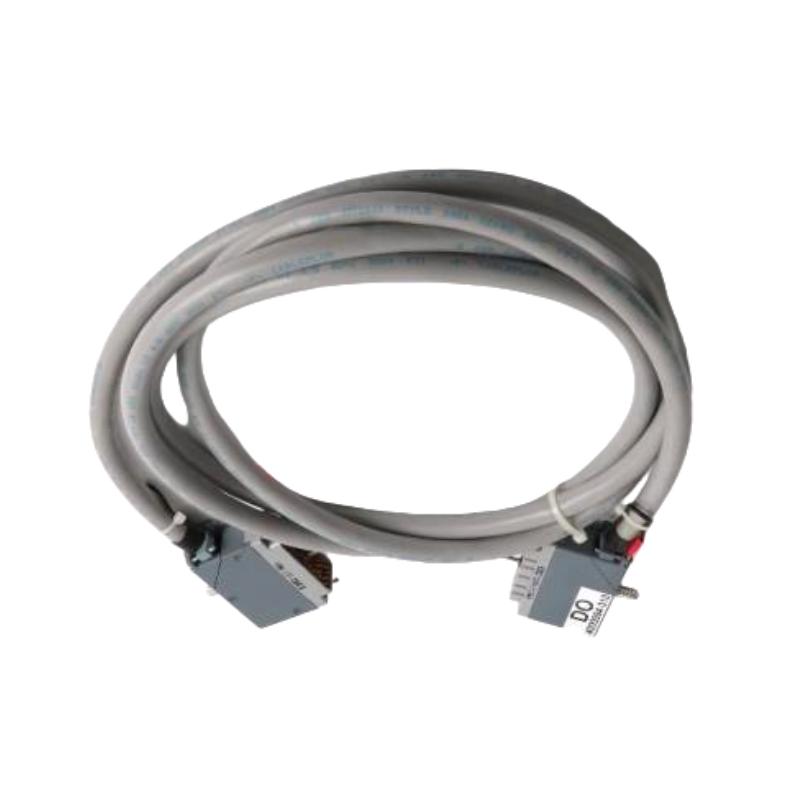
The Triconex 4000094-310 Cable Assembly is a versatile interconnection solution engineered for Triconex safety and control systems. Designed to provide reliable electrical connectivity, it ensures stable signal transmission and continuous operation across mission-critical industrial environments.
From an engineering perspective, this cable assembly emphasizes durability, signal integrity, and flexible installation options, making it ideal for high-reliability and safety-critical applications where adaptability and system performance are key.
Technical Specifications
| Parameter | Description |
|---|
| Device Type | Cable Assembly |
| Functional Role | Connects and transmits signals between Triconex modules |
| System Compatibility | Triconex safety and control systems |
| Installation | Routed within control cabinets or along system racks |
| Cable Length | Optional (configurable based on application) |
| Weight | 3 kg |
Technical FAQs
1. What is the primary function of the 4000094-310?
It provides secure electrical connectivity between Triconex system modules.
2. Is the cable length fixed or configurable?
The cable length is optional and can be configured based on application requirements.
3. Can it operate continuously in industrial systems?
Yes, it is designed for continuous operation.
4. Is this cable suitable for safety-critical applications?
Yes, it is engineered for high-integrity Triconex systems.
5. How should it be installed?
It should be routed within control cabinets or along system racks according to installation standards.
6. What types of systems typically use this cable?
Industrial safety, process automation, nuclear, chemical, and power plant systems.
7. How does it enhance system reliability?
By maintaining consistent electrical connectivity and signal integrity.
8. Is it compatible with all Triconex modules?
It is designed for use with Triconex safety and control modules according to system specifications.
9. Does it require special maintenance?
No special maintenance is required beyond standard inspection and handling.
10. Who typically specifies this cable assembly?
System engineers and safety engineers select it for mission-critical and high-integrity control systems.
 A DCS Q Co., Ltd. - PLC and DCS Industrial Control Equipment Wholesale