Introduction
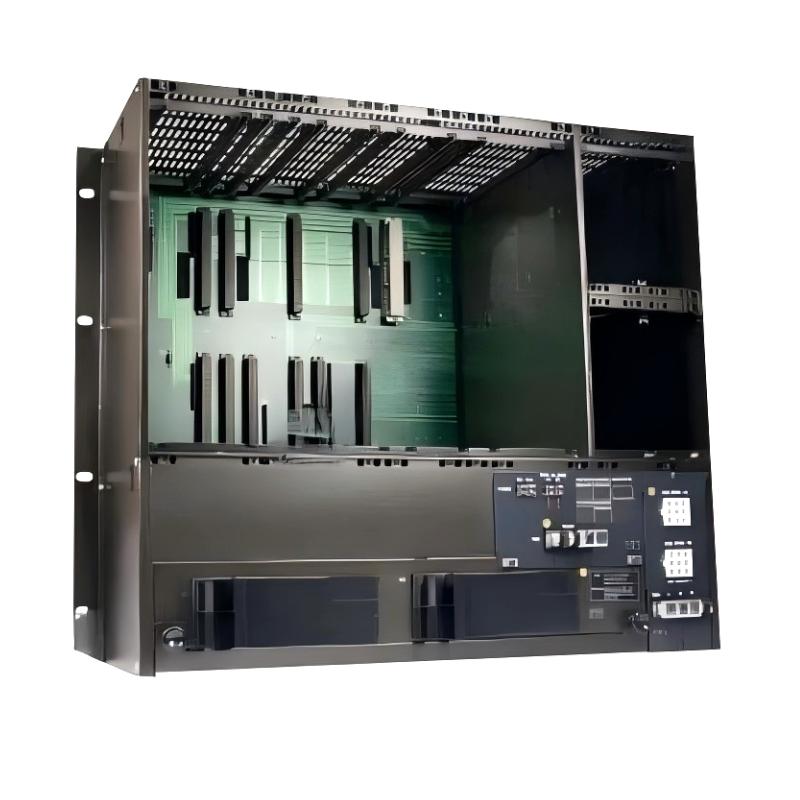
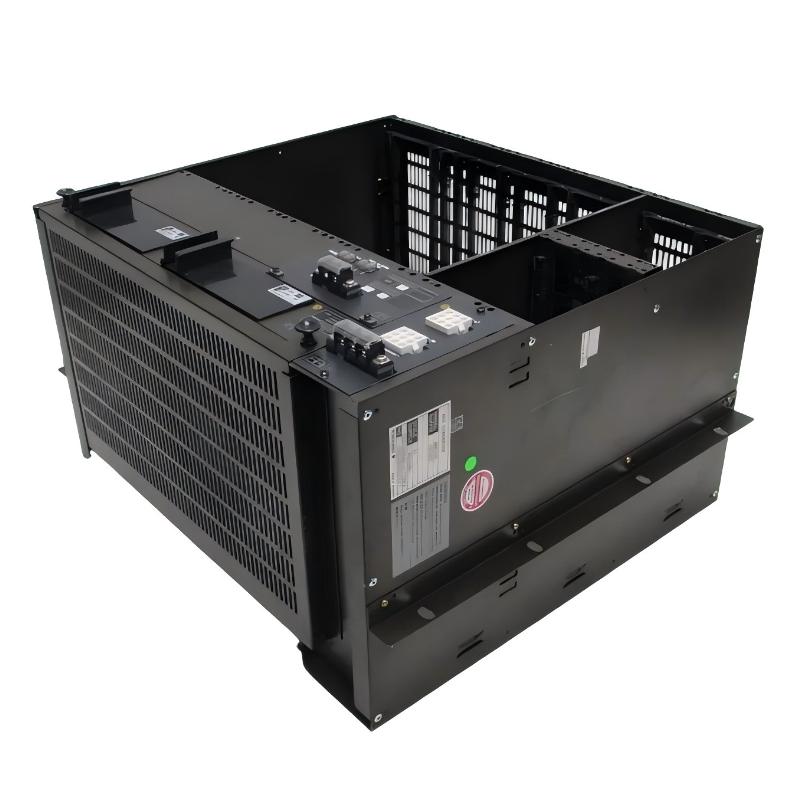
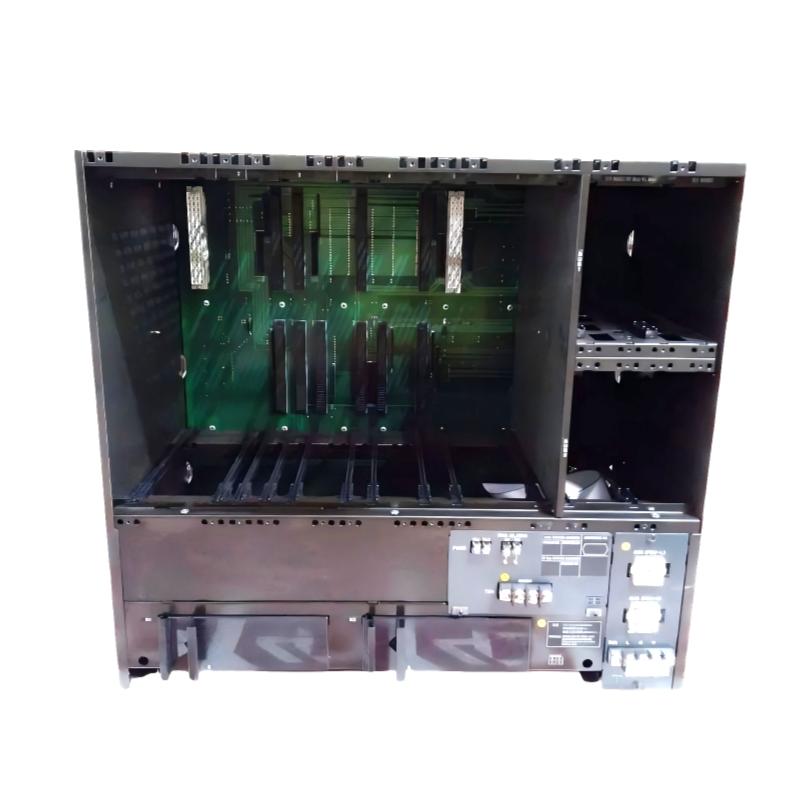
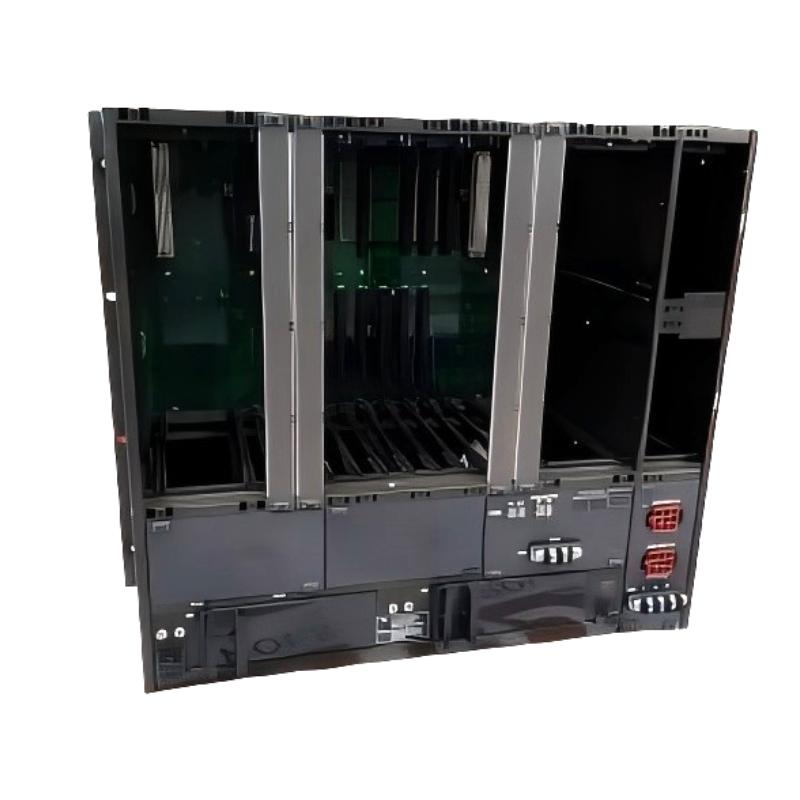
The Yokogawa ABC11D-V2121 Dual-Redundant Bus Converter is a high-reliability interface device engineered for critical industrial automation systems. It enables seamless communication between multiple bus networks while providing dual-redundant pathways to ensure uninterrupted data transfer in high-availability applications.
From a control systems engineering perspective, the ABC11D-V2121 is essential for operations where network reliability and fault tolerance are critical. Its dual-redundant design safeguards communication between controllers, I/O modules, and distributed system components, reducing the risk of process interruptions.
Technical Specifications
| Parameter | Description |
|---|
| Device Type | Dual-Redundant Bus Converter |
| Functional Role | Converts and transmits signals between bus networks with redundancy |
| System Compatibility | Yokogawa distributed control systems |
| Installation | Control cabinet or panel mounting |
| Dimensions | 35 × 150 × 180 mm (H x W x D) |
| Weight | 1.5 kg |
Technical FAQs
1. What is the primary function of the ABC11D-V2121?
It converts signals between bus networks while providing dual-redundant communication pathways.
2. Which systems is it compatible with?
It is compatible with Yokogawa distributed control systems.
3. Can it operate continuously in industrial environments?
Yes, it is designed for continuous operation in control systems.
4. Does it support fault-tolerant operation?
Yes, its dual-redundant design ensures uninterrupted data transmission.
5. Is it suitable for critical control networks?
Yes, it is ideal for high-availability industrial automation systems.
6. How is the module mounted?
It is installed within control cabinets or panels.
7. Can it handle multiple I/O modules simultaneously?
Yes, it supports communication across multiple connected devices.
8. Does it require additional cooling?
No, standard cabinet airflow is sufficient.
9. How does it enhance network reliability?
By providing dual-redundant signal paths and minimizing the risk of communication failure.
10. Who typically specifies this dual-redundant bus converter?
Control engineers and system integrators select it for mission-critical and fault-tolerant automation networks.
 A DCS Q Co., Ltd. - PLC and DCS Industrial Control Equipment Wholesale