Introduction
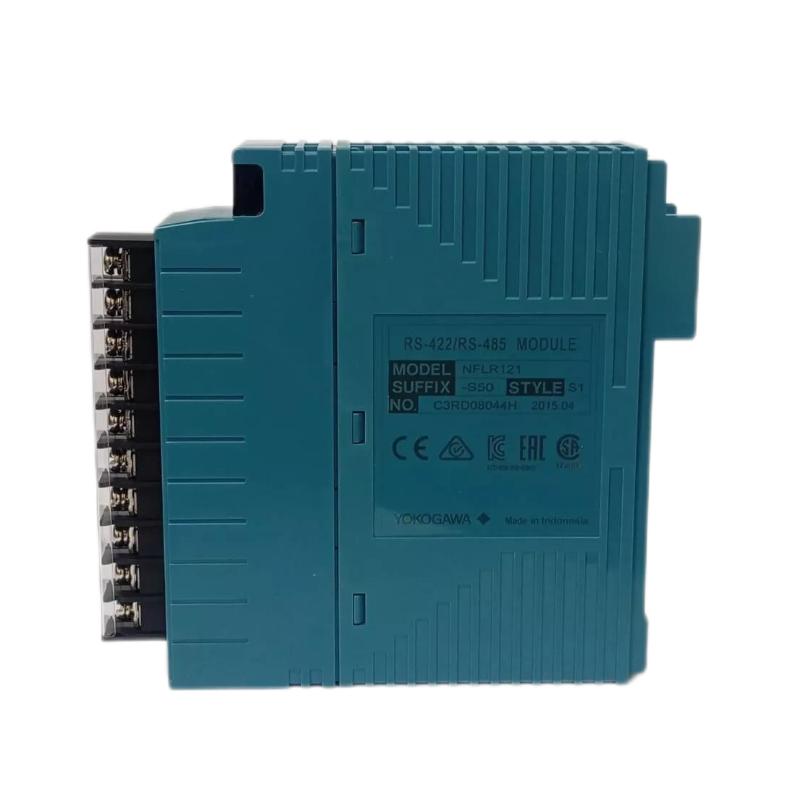
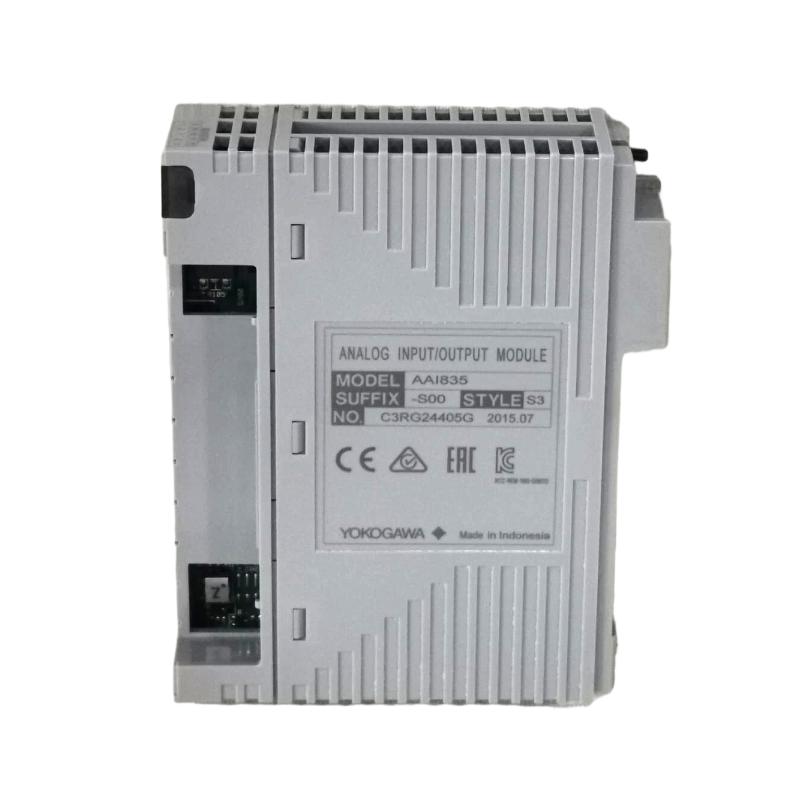
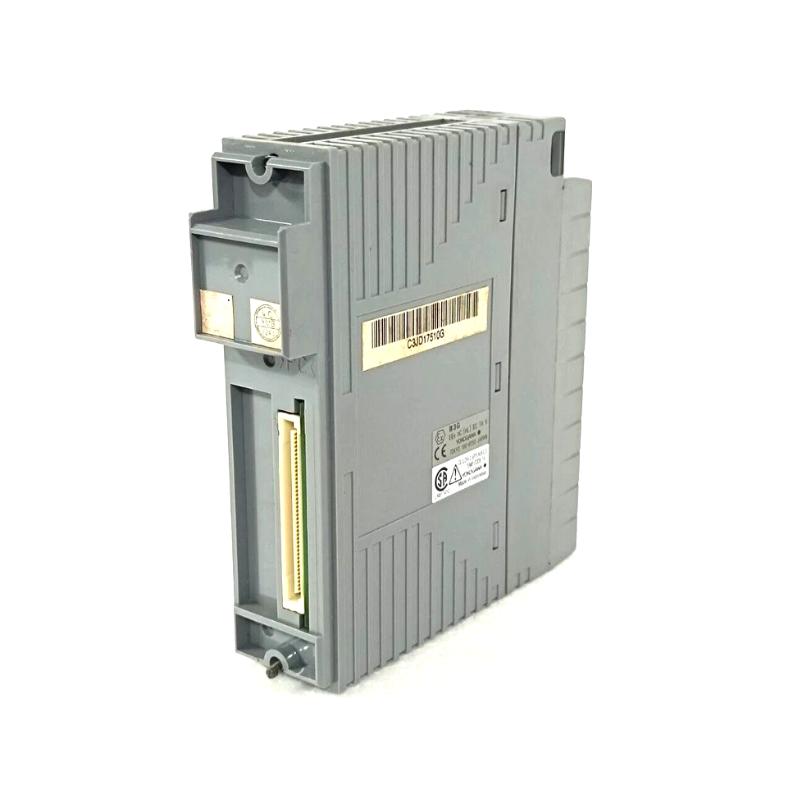
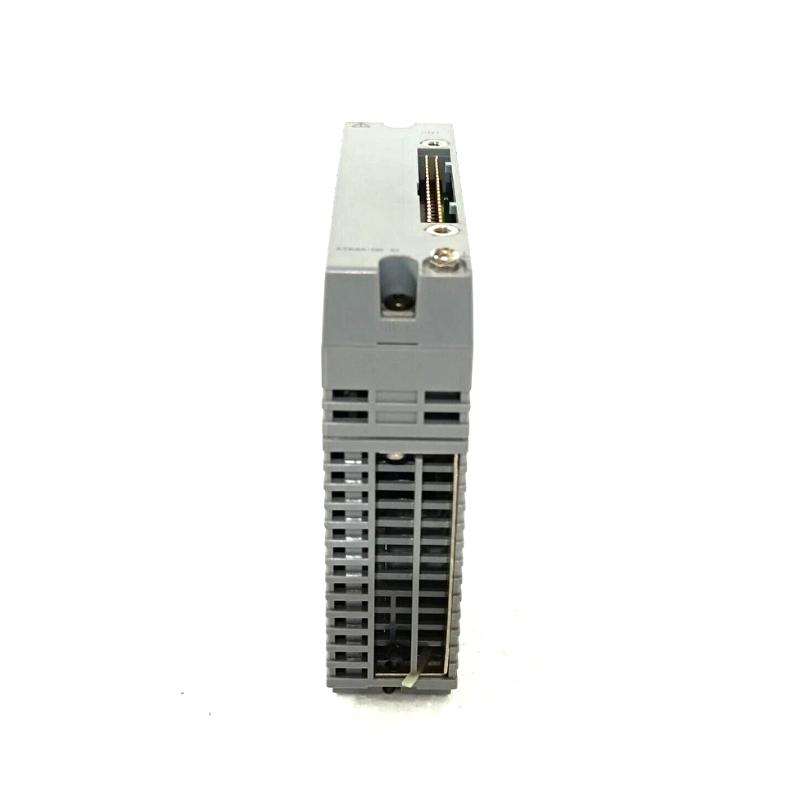
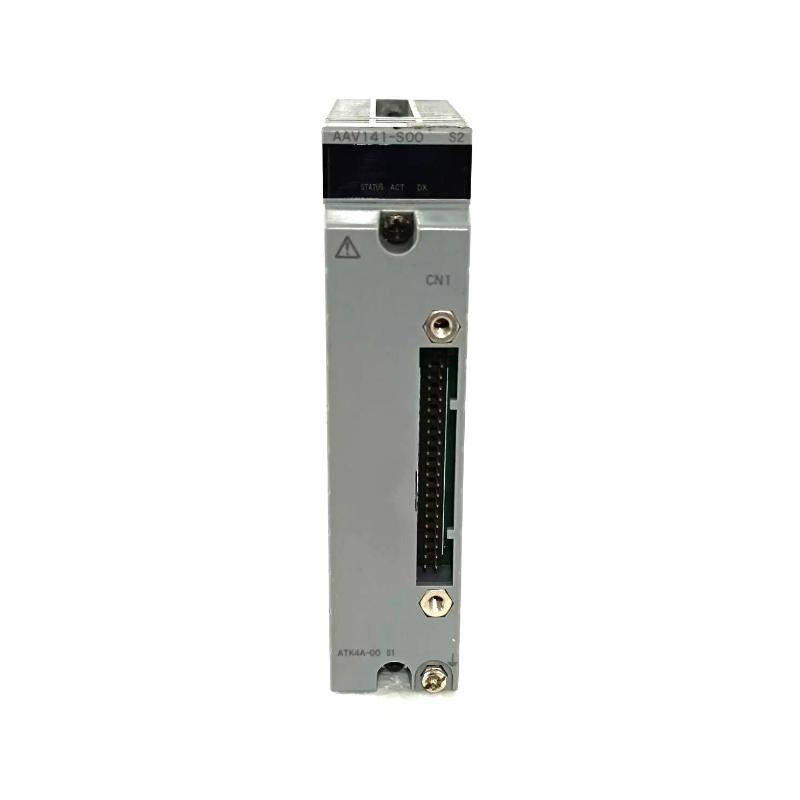
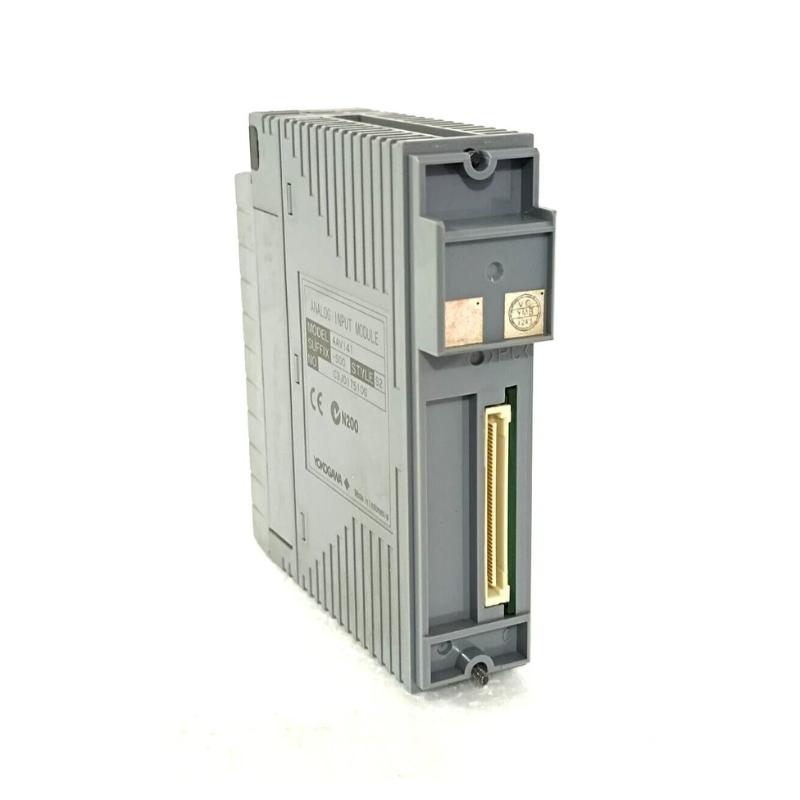
The Yokogawa AAV544-S50 Analog Output Module is engineered to deliver stable and precise analog signals within industrial control and automation systems. It serves as a dependable interface between the control system and field devices, converting digital control commands into accurate analog outputs that support reliable process execution.
From an automation engineering perspective, the AAV544-S50 is appreciated for its consistent signal behavior, robustness under continuous operation, and seamless integration into Yokogawa control architectures. It is well suited for process environments where output accuracy and long-term stability are essential.
Technical Specifications
| Parameter | Description |
|---|
| Module Type | Analog Output Module |
| Output Function | Analog signal generation |
| System Role | Drives field devices via analog control signals |
| Compatibility | Yokogawa distributed control systems |
| Installation | Mounted within control system racks |
| Dimensions | 107.5 × 130 × 32.8 mm (H x W x D) |
| Weight | 0.2 kg |
Technical FAQs
1. What is the primary function of the AAV544-S50?
It generates analog output signals to control field devices in automation systems.
2. What systems is it compatible with?
It is compatible with Yokogawa distributed control and automation platforms.
3. Is it suitable for continuous process operations?
Yes, it is designed for continuous industrial use.
4. What types of field devices does it typically control?
Actuators, converters, and instruments that require analog control signals.
5. Can it be used in critical control loops?
Yes, it supports applications where output stability and accuracy are critical.
6. How does it contribute to control accuracy?
By delivering predictable and stable analog output signals.
7. Is the module engineered for industrial environments?
Yes, it is designed to perform reliably under standard industrial conditions.
8. Can it be integrated with other Yokogawa modules?
Yes, it integrates seamlessly within Yokogawa system racks.
9. Does it require special maintenance?
No special maintenance is required beyond routine system inspections.
10. Who typically specifies this analog output module?
Control engineers and system integrators select it during automation system design.
 A DCS Q Co., Ltd. - PLC and DCS Industrial Control Equipment Wholesale