Introduction
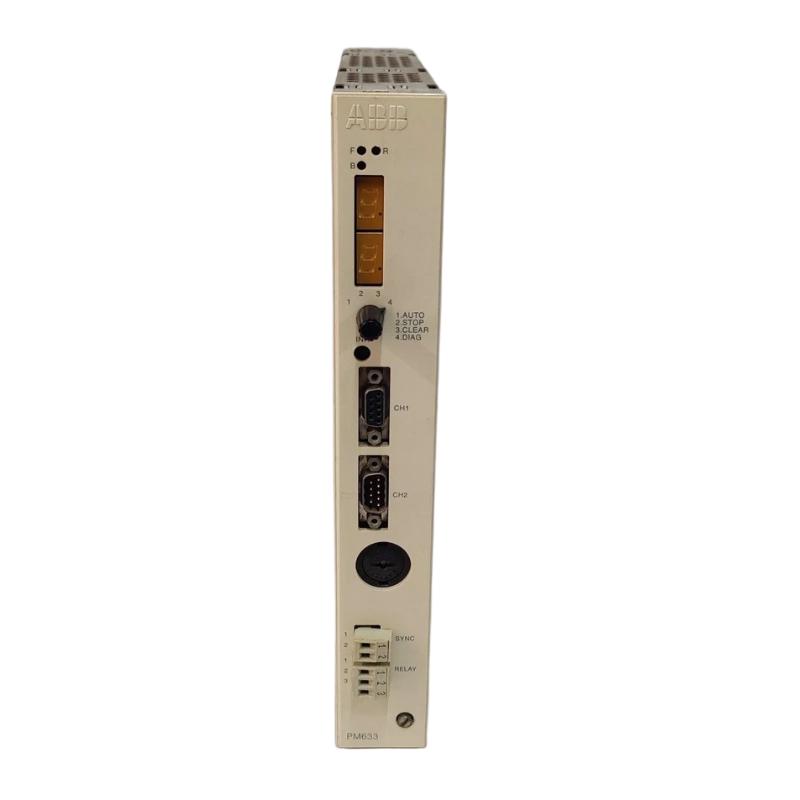
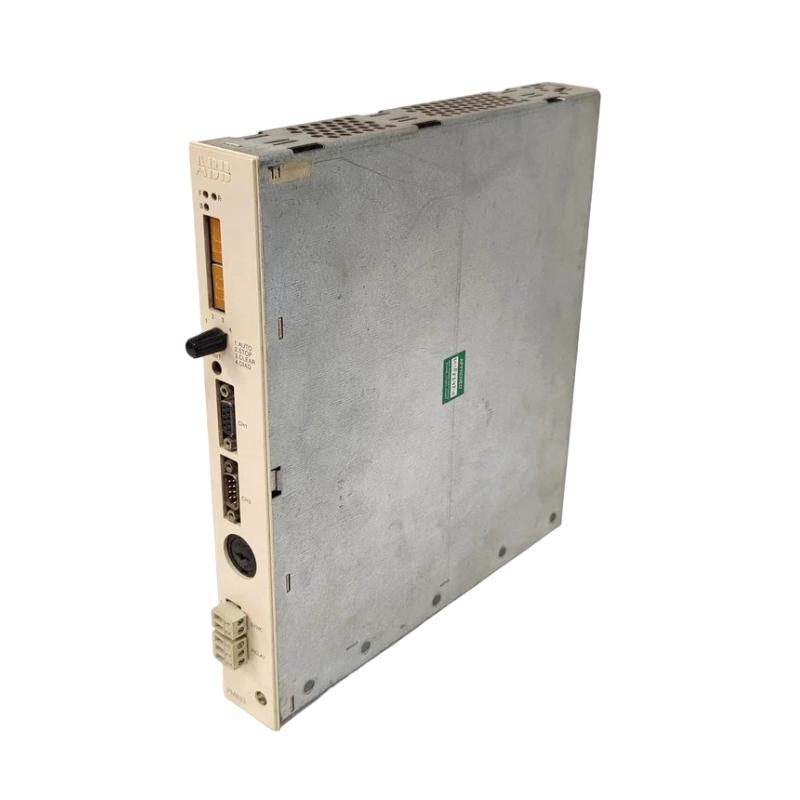
The ABB PM633 3BSE008062R1 Processor Unit is a high-performance core module designed for ABB automation and control systems. It executes complex control logic, manages communication with distributed I/O modules, and delivers deterministic real-time processing for industrial applications.
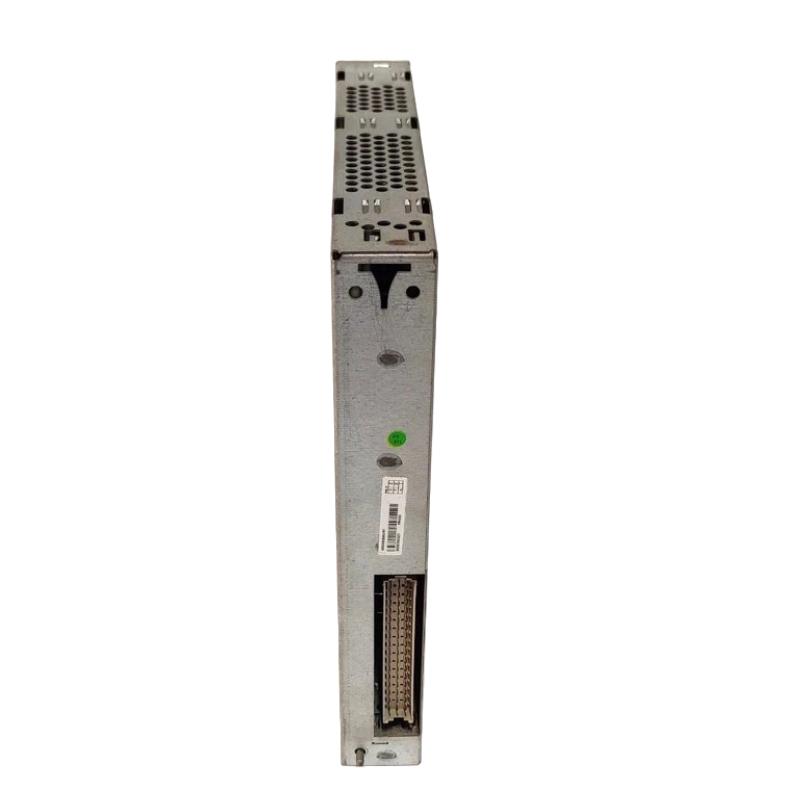
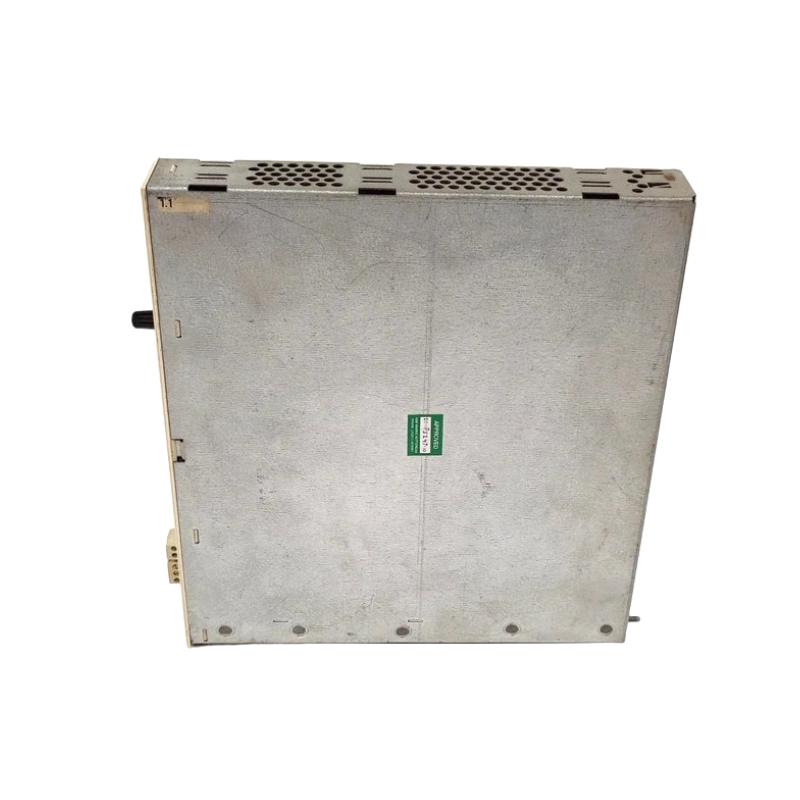
From an engineering perspective, the PM633 emphasizes robustness, precision, and modular scalability. Its elongated and compact design allows integration into high-density control cabinets, supporting medium to large-scale automation systems that require high reliability and consistent performance.
Technical Specifications
| Parameter | Description |
|---|
| Module Type | Processor Unit |
| System Role | Executes control logic and manages real-time communication with I/O modules |
| Compatibility | ABB PM600/PM630/PM632/PM633 Systems |
| Mounting | Cabinet or DIN rail installation within control panels |
| Communication Interfaces | Supports Fieldbus and Ethernet protocols |
| Dimensions | 310.5 × 38.7 × 238.5 mm (H x W x D) |
| Weight | 1.445 kg |
Technical FAQs
1. What is the primary function of the PM633?
It executes control logic and manages real-time communication with connected I/O modules.
2. Can it be used in safety-critical systems?
Yes, it is compatible with ABB-certified systems designed for industrial safety applications.
3. Which communication protocols does it support?
It supports Fieldbus and Ethernet protocols for system integration.
4. Is it suitable for distributed control architectures?
Yes, it can operate in both centralized and decentralized automation setups.
5. How is the module mounted?
It is installed in control cabinets via DIN rail or panel mounting.
6. What environmental conditions can it withstand?
It is designed for standard industrial environments, including moderate vibration and temperature ranges.
7. Can multiple PM633 modules be used together?
Yes, multiple units can be integrated for expanded processing capacity.
8. Does it require additional cooling?
No additional cooling is required beyond standard cabinet airflow.
9. How does it improve system performance?
It ensures deterministic, high-speed processing, enhancing control accuracy and response times.
10. Who typically specifies this module?
Automation engineers or system integrators select it during ABB control system design and expansion planning.
 A DCS Q Co., Ltd. - PLC and DCS Industrial Control Equipment Wholesale