Introduction
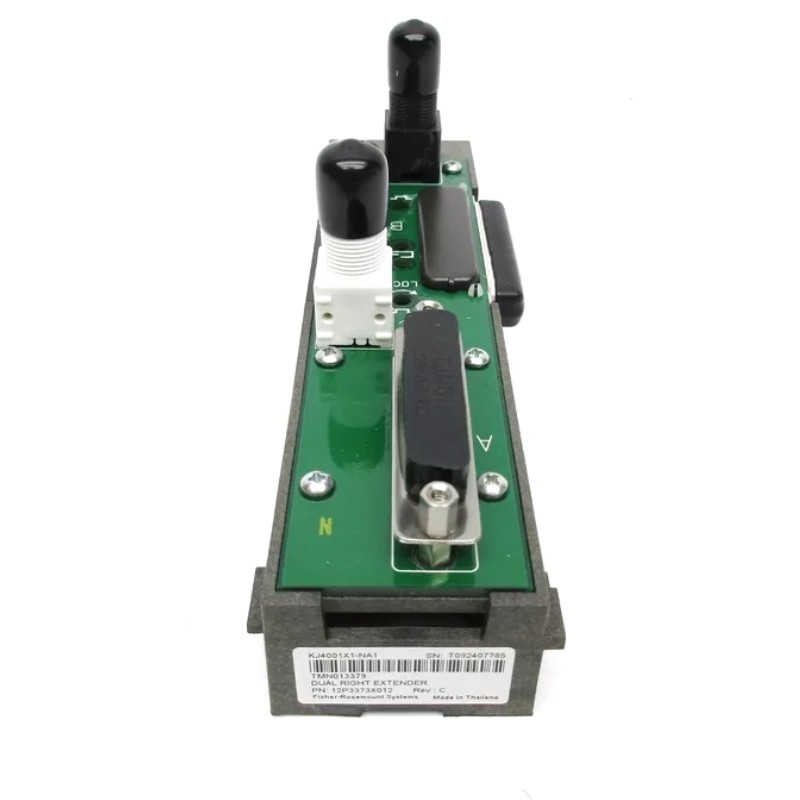
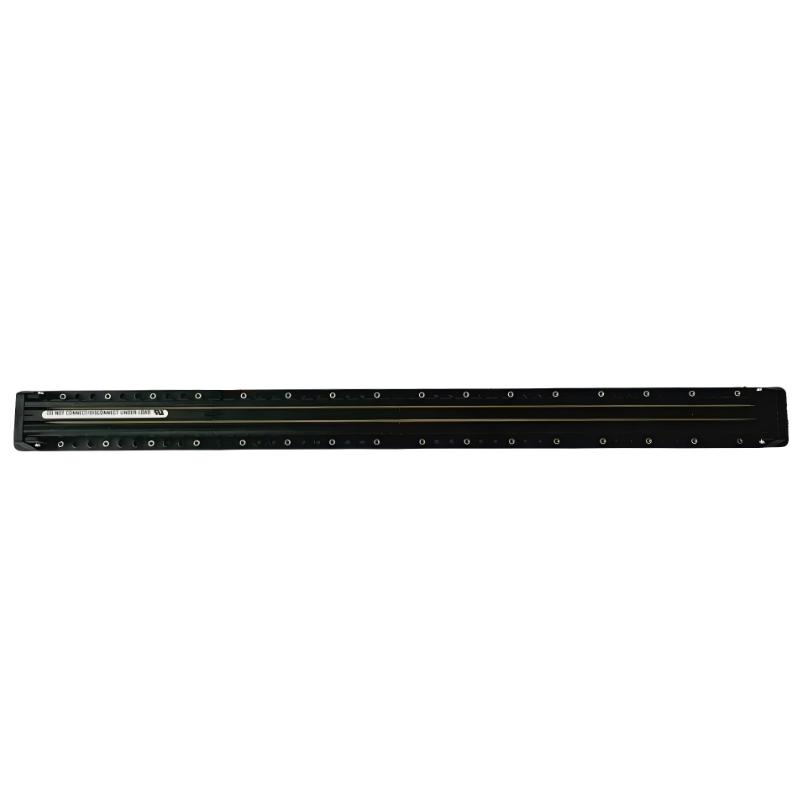
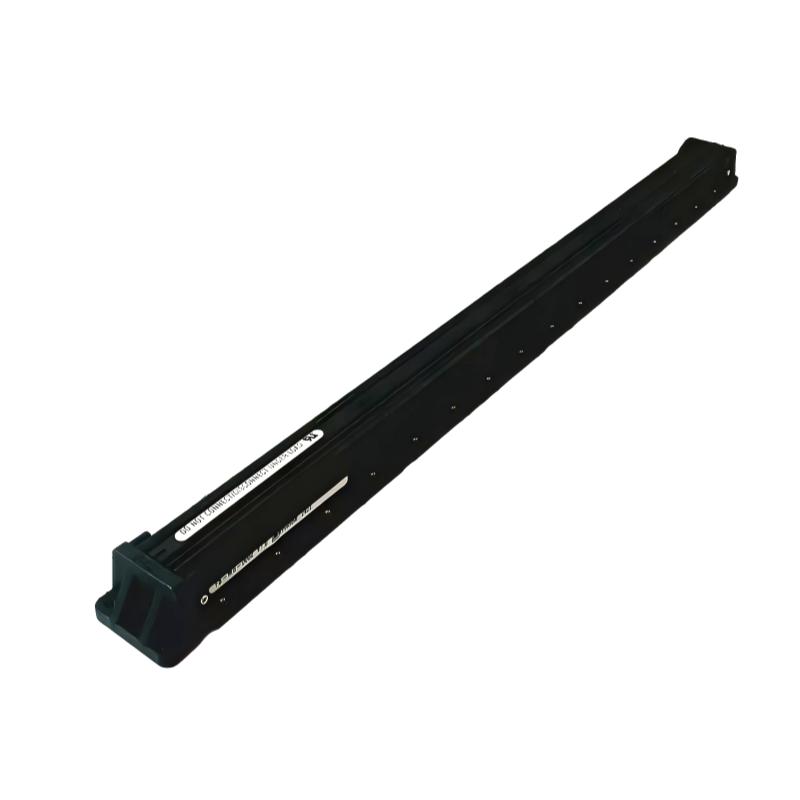
The Honeywell FS-MB-0002 Optical Rail Module Connector is designed to facilitate high-speed optical communication between Honeywell I/O and controller modules. It provides a secure and reliable interface for optical signals within control and safety cabinets, ensuring deterministic data transfer across distributed system architectures.
From a technical engineering perspective, the FS-MB-0002 emphasizes precision, signal integrity, and ease of installation. Its rail-style design enables organized cabinet layouts while minimizing cabling congestion, making it ideal for industrial environments where robust communication paths are essential.
Technical Specifications
| Parameter | Description |
|---|
| Module Type | Optical Rail Module Connector |
| System Role | Provides optical signal connectivity between modules |
| Compatibility | Honeywell Safety and Control Systems |
| Mounting Method | Fixed installation within control cabinets |
| Connector Type | Optical interface for module communication |
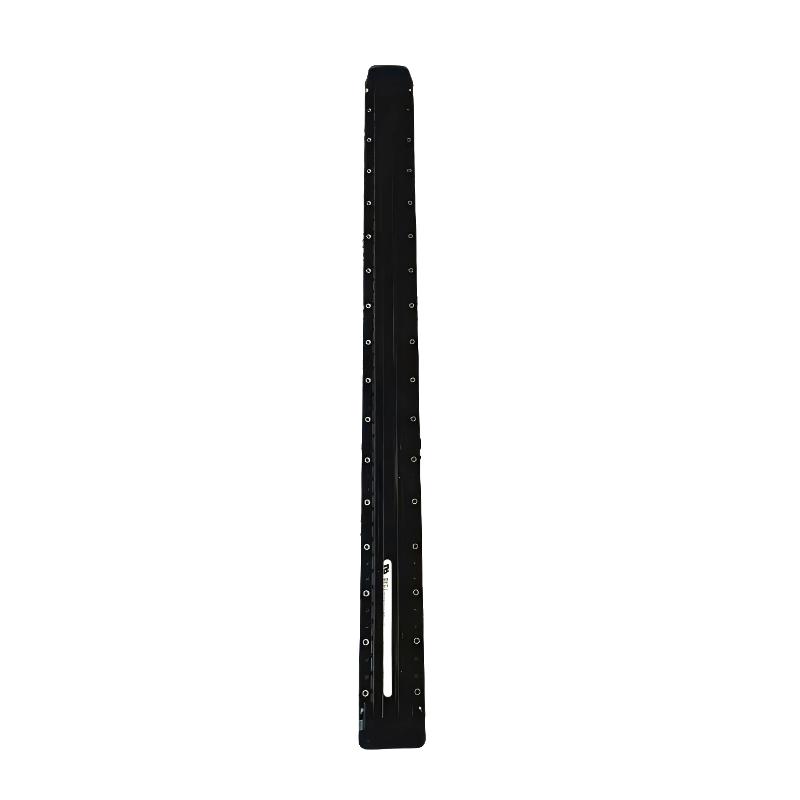
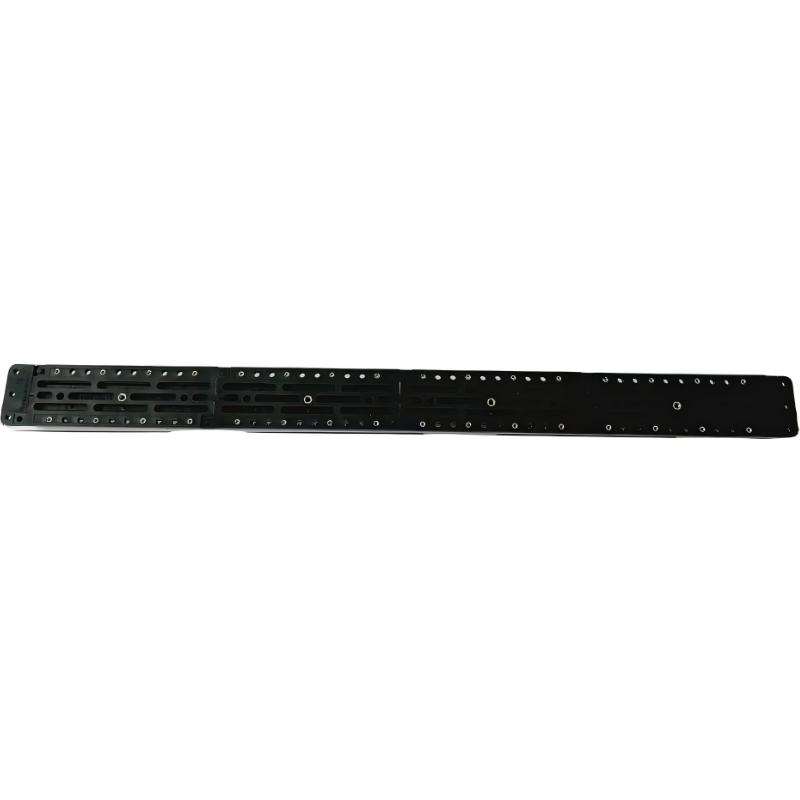
| Mechanical Design | Rail-style structure for organized cabinet installation |
| Dimensions | 649 × 5.08 × 34.8 mm (H x W x D) |
| Weight | 1.5 kg |
Technical FAQs
1. What is the primary function of the FS-MB-0002?
It provides optical connectivity between Honeywell modules for high-speed data transfer.
2. Can it be used with non-Honeywell modules?
No, it is designed specifically for Honeywell I/O and controller modules.
3. How is it installed?
It is mounted as a fixed rail within control or safety cabinets.
4. Does it support high-speed data transmission?
Yes, it is engineered for deterministic optical communication across modules.
5. Is it suitable for industrial environments?
Yes, it is built with industrial-grade materials for durability and reliability.
6. Does it require additional cabling?
Minimal cabling is needed; the rail structure provides an organized optical path.
7. Can it be used in modular cabinet designs?
Yes, it supports modular module replacement and expansion within cabinets.
8. How does it improve system maintenance?
Organized rail structure and standardized optical connectors simplify module replacement.
9. Does it require software configuration?
No, it functions as a physical connectivity component.
10. Who typically specifies this module?
System integrators or control engineers select it for cabinet communication backbone design.
 A DCS Q Co., Ltd. - PLC and DCS Industrial Control Equipment Wholesale