 、
、
Introduction
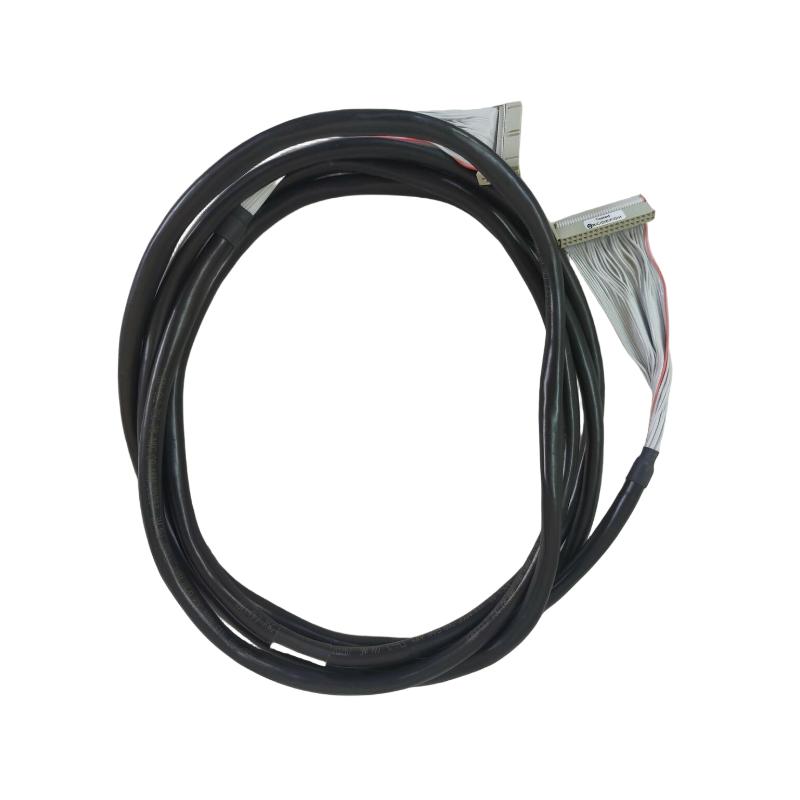
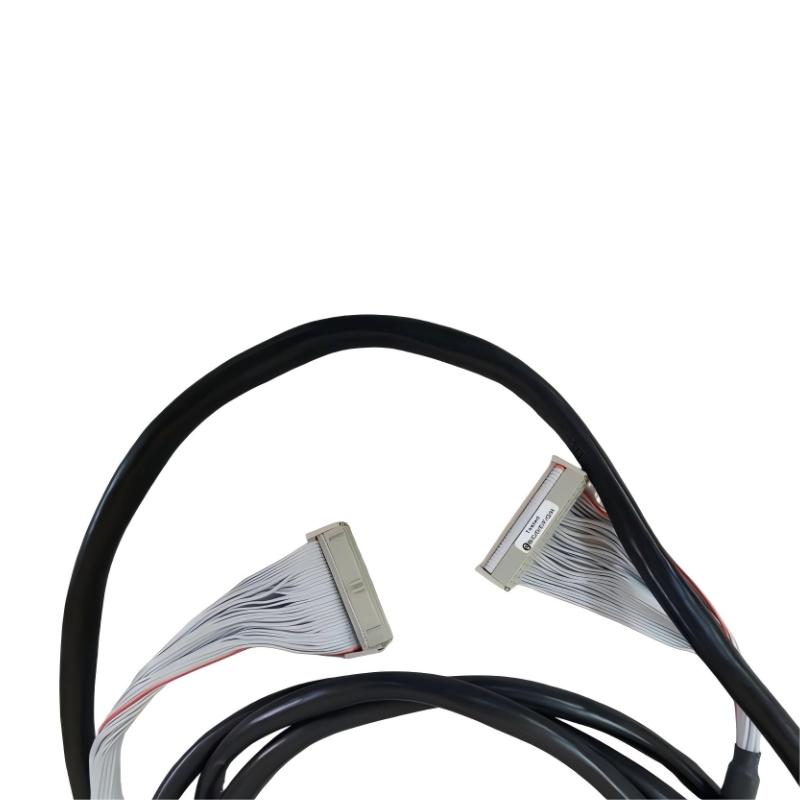
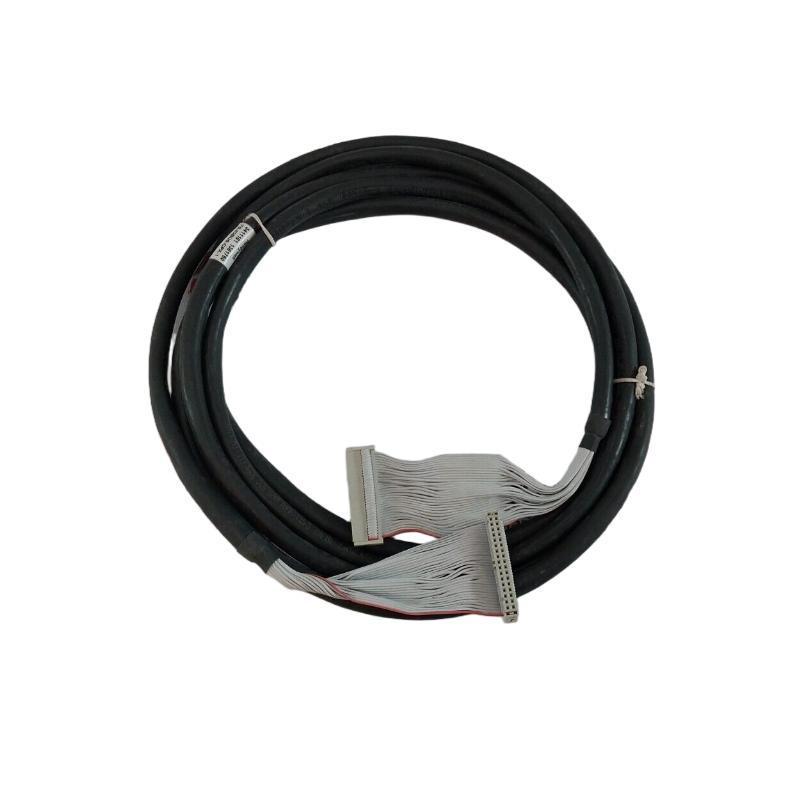
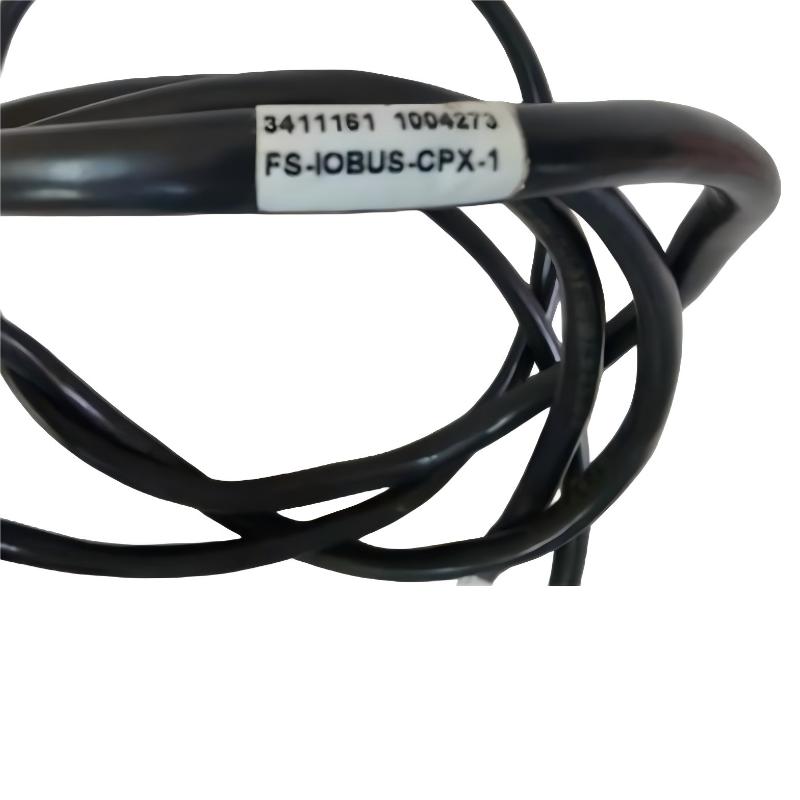
The Honeywell FS-IOBUS-CPX-1 I/O Bus Cable is engineered to provide reliable, low-resistance connections between Honeywell I/O modules in distributed safety and control systems. Designed for deterministic signal transmission, this cable ensures consistent communication across extended distances within industrial cabinets and control rooms.
From a technical perspective, the FS-IOBUS-CPX-1 emphasizes durability, signal integrity, and ease of routing. Its design accounts for industrial environmental factors such as mechanical stress, vibration, and electromagnetic interference, making it a critical component for maintaining system reliability.
Technical Specifications
| Parameter | Description |
|---|
| Module Type | I/O Bus Cable |
| System Role | Connects I/O modules within Honeywell safety/control architectures |
| Cable Length | 4.2 m |
| Conductor Type | Multi-core shielded cable |
| Connector Type | Matched to FS-IOBUS modules |
| Mechanical Design | Flexible and robust for cabinet installation |
| Weight | 0.8 kg |
Technical FAQs
1. What is the primary function of the FS-IOBUS-CPX-1?
It connects I/O modules over a defined distance to maintain reliable bus communication.
2. Can this cable be used outside of cabinets?
It is intended primarily for cabinet and protected installations, not direct outdoor exposure.
3. Does it require special termination?
No; it is designed with connectors matched to Honeywell I/O bus modules.
4. How long is the cable?
The standard length is 4.2 meters.
5. Is it suitable for industrial vibration conditions?
Yes. Its flexible and robust construction accommodates cabinet vibration and movement.
6. Does the cable impact signal integrity?
No. Shielding and quality conductors maintain reliable communication across the bus.
7. Can it be used for other types of signals?
It is designed specifically for Honeywell I/O bus communication and is not recommended for unrelated signals.
8. How does it affect system installation time?
Pre-terminated connectors simplify installation and reduce assembly time.
9. Can multiple cables be daisy-chained?
Yes, following Honeywell’s bus topology guidelines to maintain deterministic behavior.
10. Who typically installs this cable?
Installation is usually performed by system integrators or field engineers familiar with Honeywell I/O architectures.
 A DCS Q Co., Ltd. - PLC and DCS Industrial Control Equipment Wholesale