Introduction
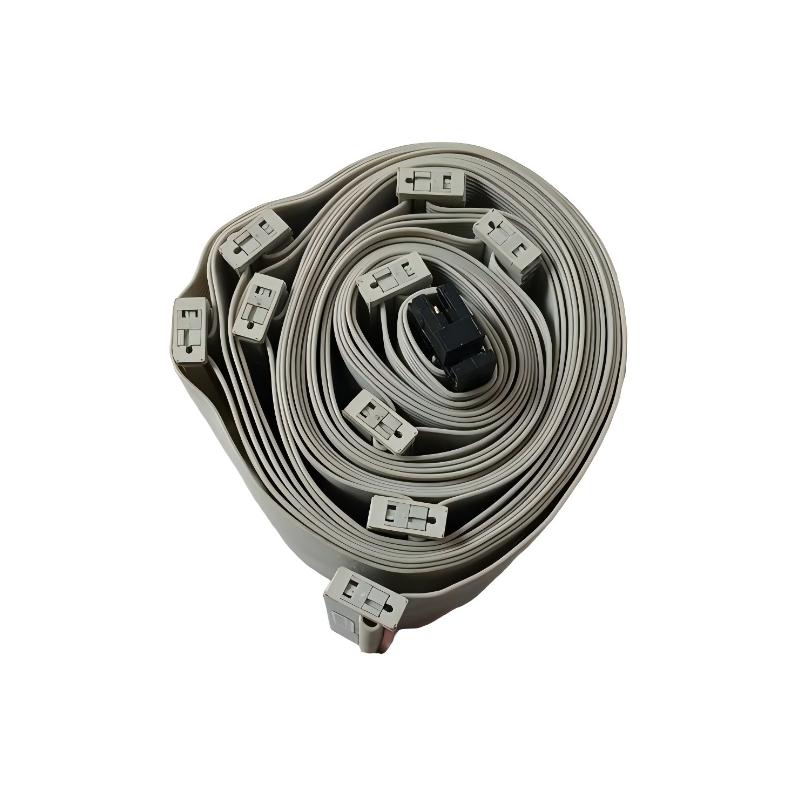
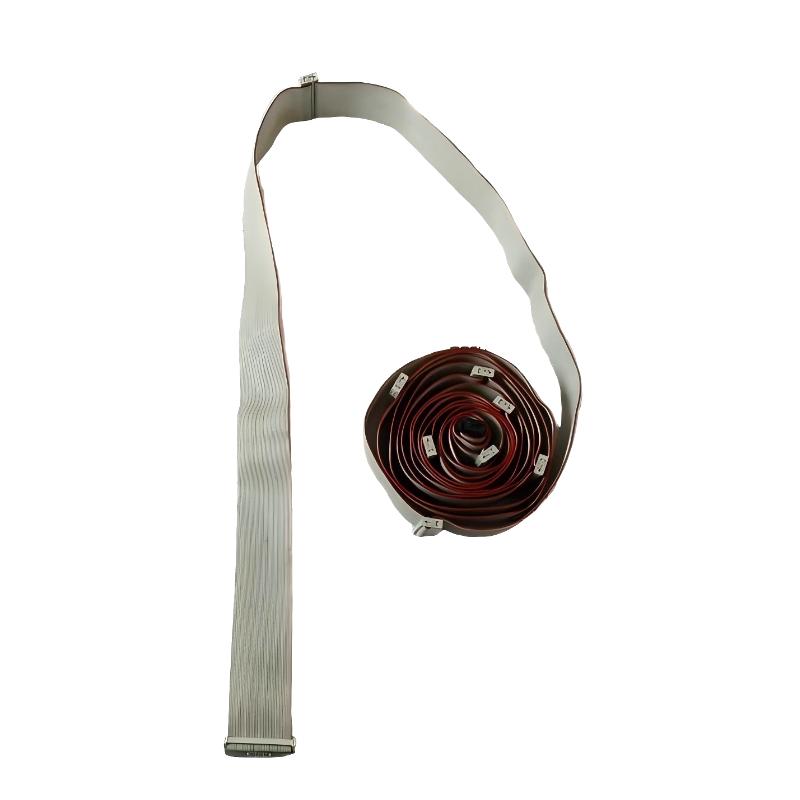
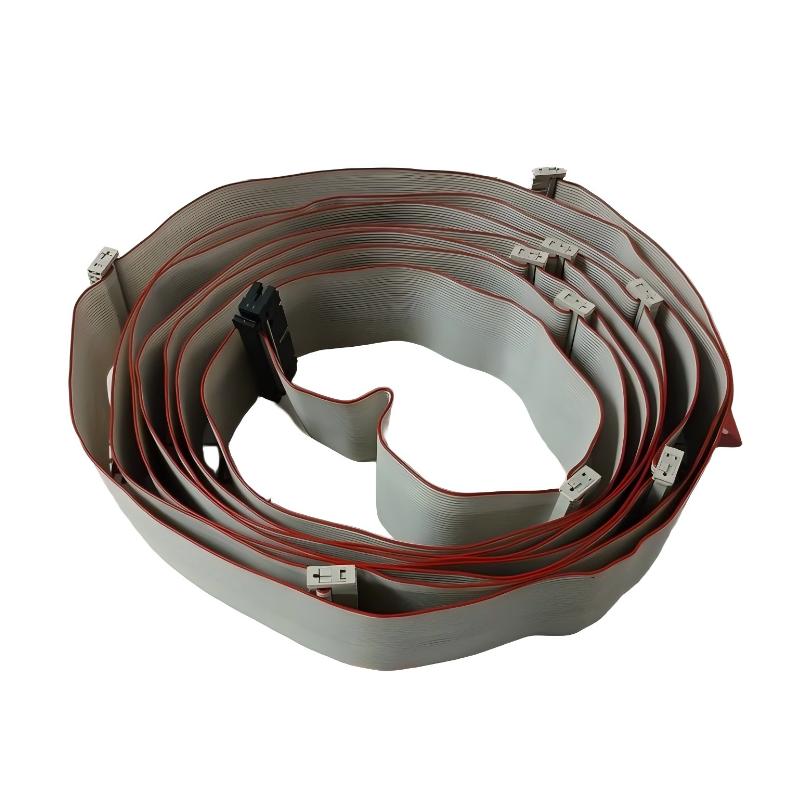
The Honeywell FS-IOBUS-CPIOX I/O Bus Module is designed to serve as a reliable connectivity component within Honeywell safety and control system architectures. It ensures consistent and secure communication between base I/O modules, providing a structured interface that maintains signal integrity across the system.
From an engineering integration perspective, the FS-IOBUS-CPIOX emphasizes mechanical reliability and predictable bus connections. Its primary role is infrastructural rather than computational, making it ideal for installations where safe, repeatable connections are critical to system stability.
Technical Specifications
| Parameter | Description |
|---|
| Module Type | I/O Bus Module |
| System Role | Internal bus interconnection for distributed I/O |
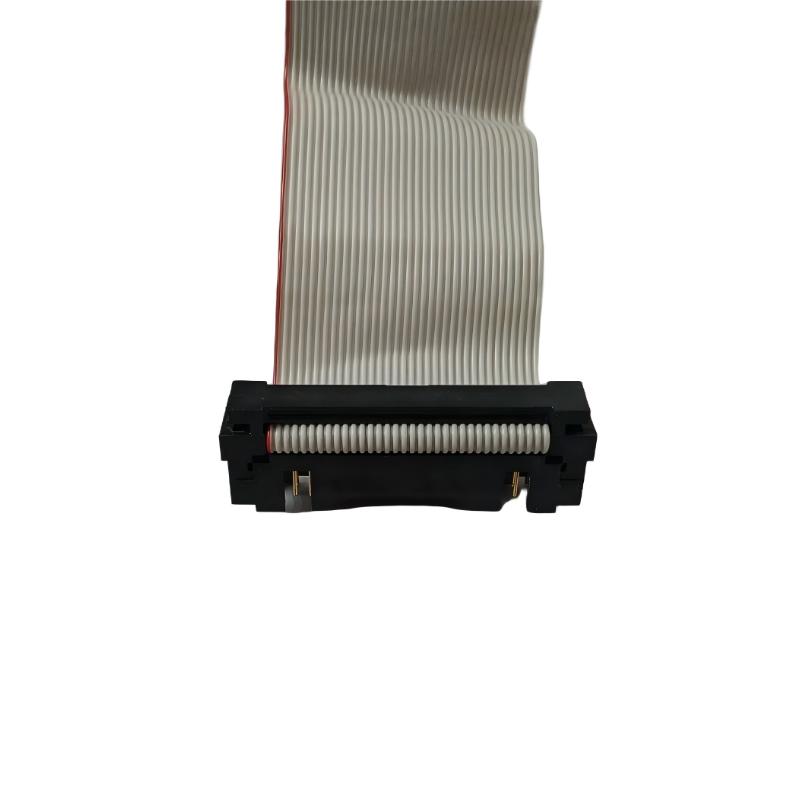
| Connector Type | 34 pole latch (female) |
| Interface Function | Stable I/O bus signal transmission |
| Mechanical Design | Fixed module for cabinet installation |
| Dimensions | Connectors: 34 pole latch (female) |
| Weight | 0.31 kg |
Technical FAQs
1. What is the main function of the FS-IOBUS-CPIOX?
It serves as an I/O bus connection module, ensuring secure communication between base I/O components.
2. Does this module process signals?
No. It functions purely as a physical connectivity and bus interface component.
3. How does it differ from a bus controller module?
Unlike a bus controller, it does not actively manage bus communications; it provides passive, stable connectivity.
4. Is it suitable for safety-critical systems?
Yes. Its design supports consistent signal transmission in safety-oriented control architectures.
5. Does it require configuration or programming?
No configuration is necessary; it is plug-and-play within the I/O bus architecture.
6. Can it be reused in different installations?
Yes. Its standardized connector and role allow it to be used across multiple systems.
7. Is it designed for field mounting?
No. It is intended for cabinet installation within control or safety panels.
8. How does it affect commissioning?
It simplifies commissioning by providing a clearly defined connection point with predictable performance.
9. Can it handle industrial vibrations or movement?
Yes. The latch-style connectors are designed to resist vibration and accidental disconnections.
10. Who typically specifies this module?
It is generally selected by system integrators or safety engineers during control cabinet and I/O architecture design.
 A DCS Q Co., Ltd. - PLC and DCS Industrial Control Equipment Wholesale