Introduction
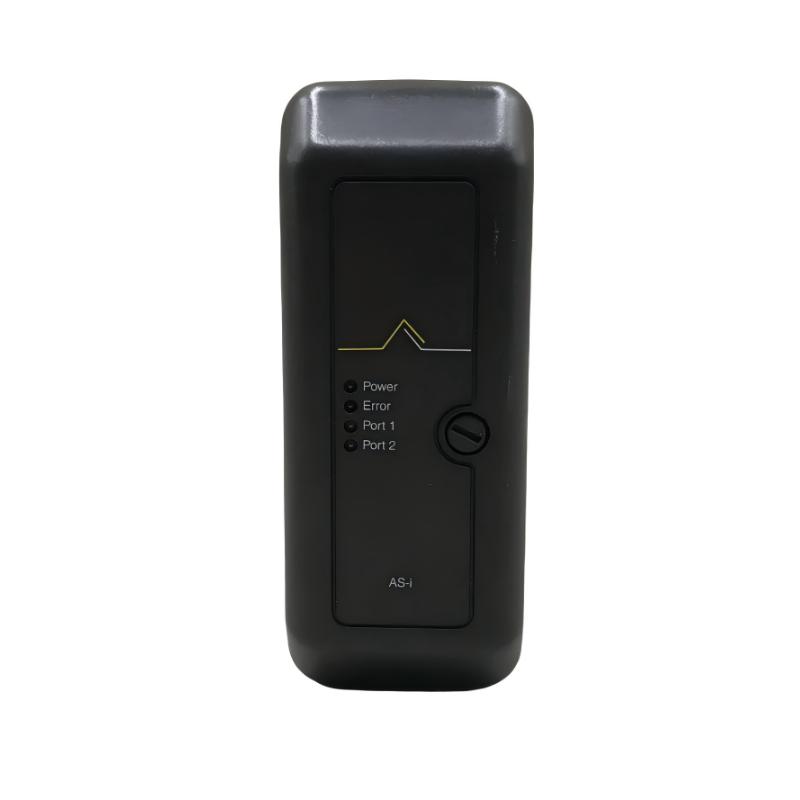
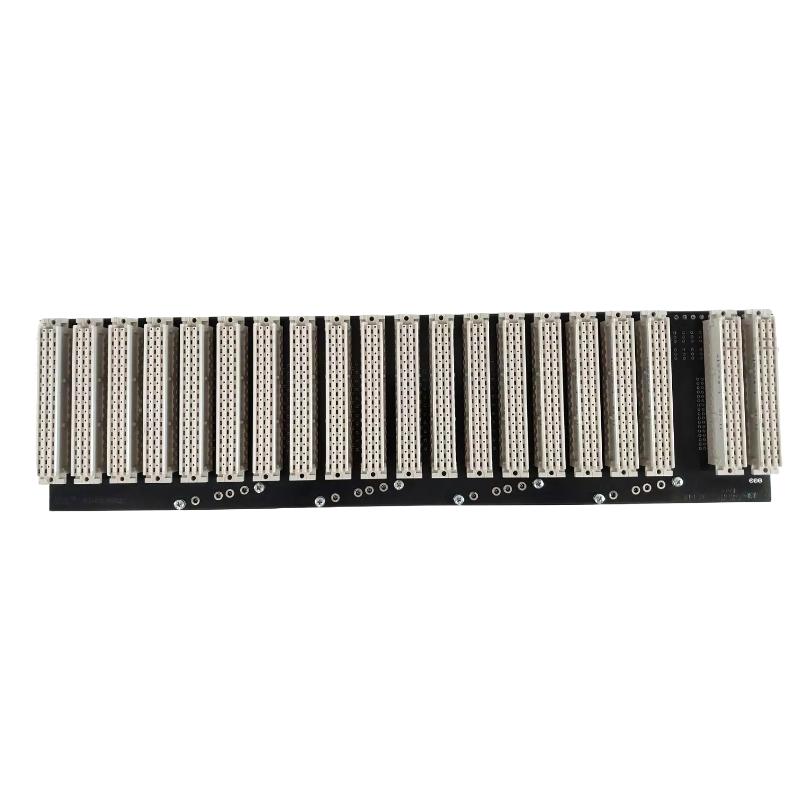
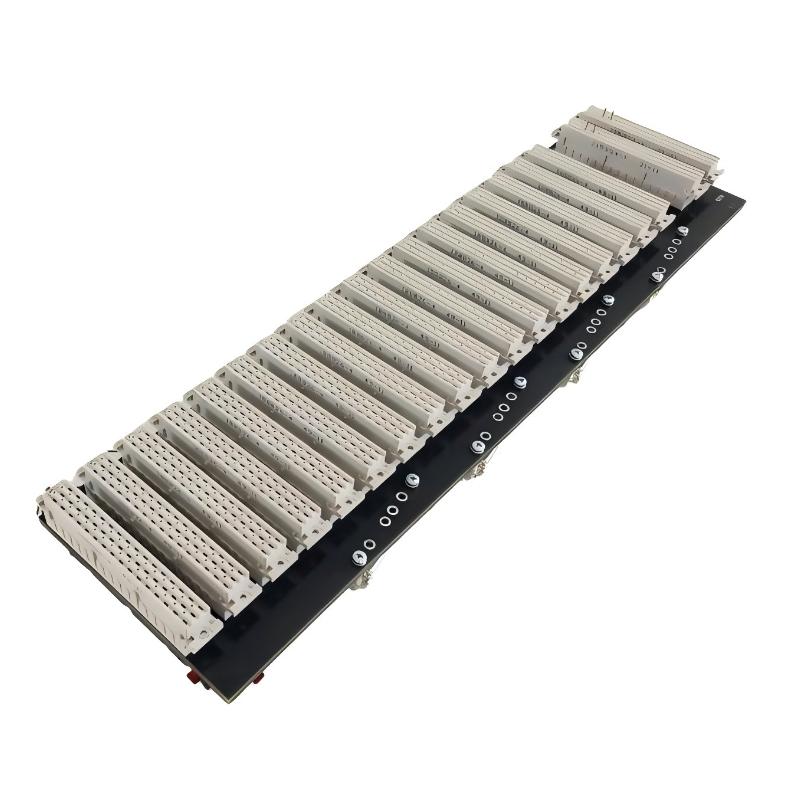
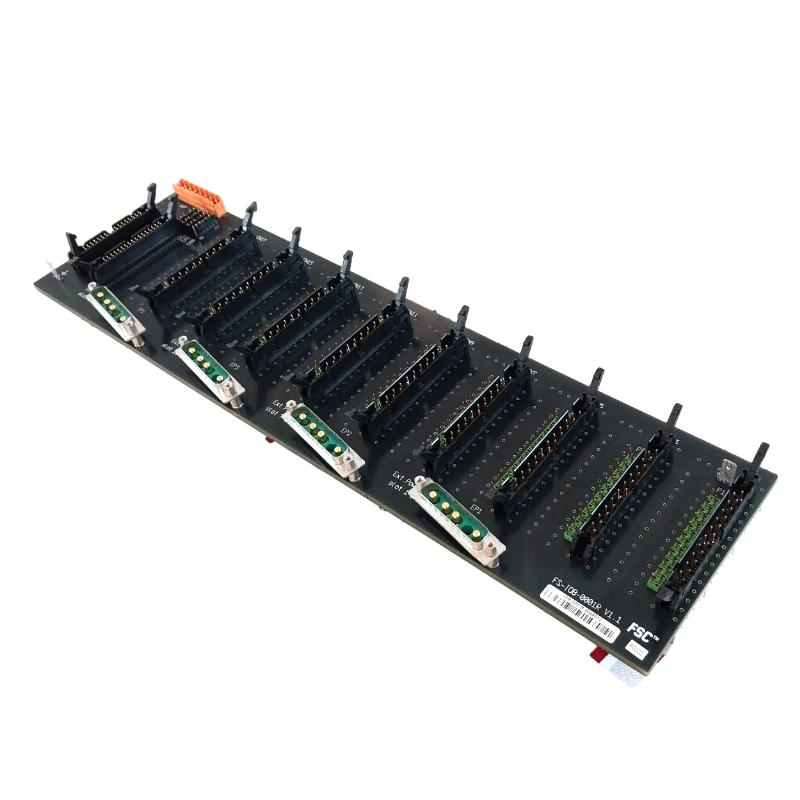
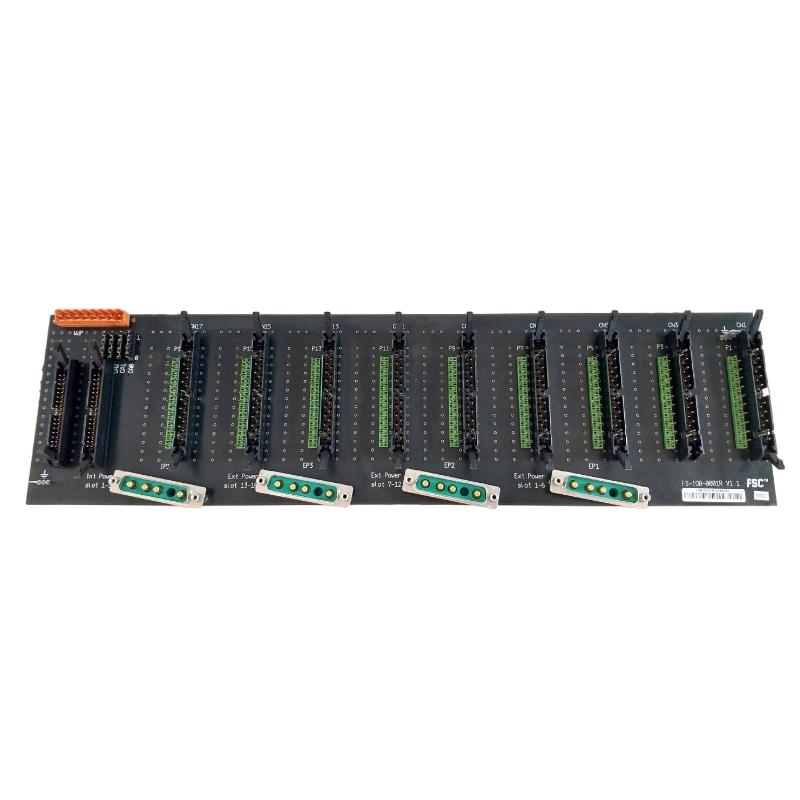
The Honeywell FS-IOB-0001R Base I/O Module serves as the foundational building block for distributed I/O architectures within Honeywell safety and control systems. Unlike extender modules that focus on reach, this base module establishes the physical and logical interface where field-level signals are consolidated and managed with deterministic behavior.
Written from a technical whitepaper perspective, the FS-IOB-0001R is best understood as an infrastructure component. Its value lies not in a single feature, but in how it enables predictable system behavior, structured expansion, and consistent signal handling across complex safety installations.
Technical Specifications
| Parameter | Description |
|---|
| Module Type | Base I/O Module |
| System Role | Core interface for field I/O aggregation |
| Compatibility | Honeywell Safety and Control Systems |
| Mounting Method | DIN rail or panel mounting |
| Construction | Industrial-grade enclosure for control cabinets |
| Dimensions | 150 × 90 × 40 mm (H x W x D) |
| Weight | 0.11 kg |
Technical FAQs
1. What distinguishes a base I/O module from an I/O extender?
A base I/O module forms the primary interface for field signals, while extenders are used to expand reach or distribution beyond the core I/O point.
2. Is the FS-IOB-0001R required in every I/O configuration?
In modular architectures, it typically serves as the starting point upon which additional I/O components are built.
3. Can this module be used in safety-critical systems?
Yes. It is intended for use in environments where predictable behavior and structured signal handling are essential.
4. Does the module perform control logic processing?
No. Control logic resides in the main controller or safety logic solver, not within the base I/O module.
5. How does it support system scalability?
By providing a standardized I/O foundation, additional modules can be added without altering the core system design.
6. Is the module suitable for harsh industrial environments?
It is engineered for installation in industrial control cabinets subject to vibration and continuous operation.
7. What role does it play during commissioning?
It simplifies commissioning by offering a clear and consistent interface for verifying field signal connections.
8. Does it improve long-term maintenance efficiency?
Yes. Structured I/O organization reduces troubleshooting time and minimizes wiring-related errors.
9. Can it be reused across different projects?
Its standardized role allows engineers to reuse the same I/O design principles across multiple installations.
10. Who typically specifies this module in a project?
It is usually specified by control system architects or safety engineers during the system design phase.
 A DCS Q Co., Ltd. - PLC and DCS Industrial Control Equipment Wholesale