Introduction
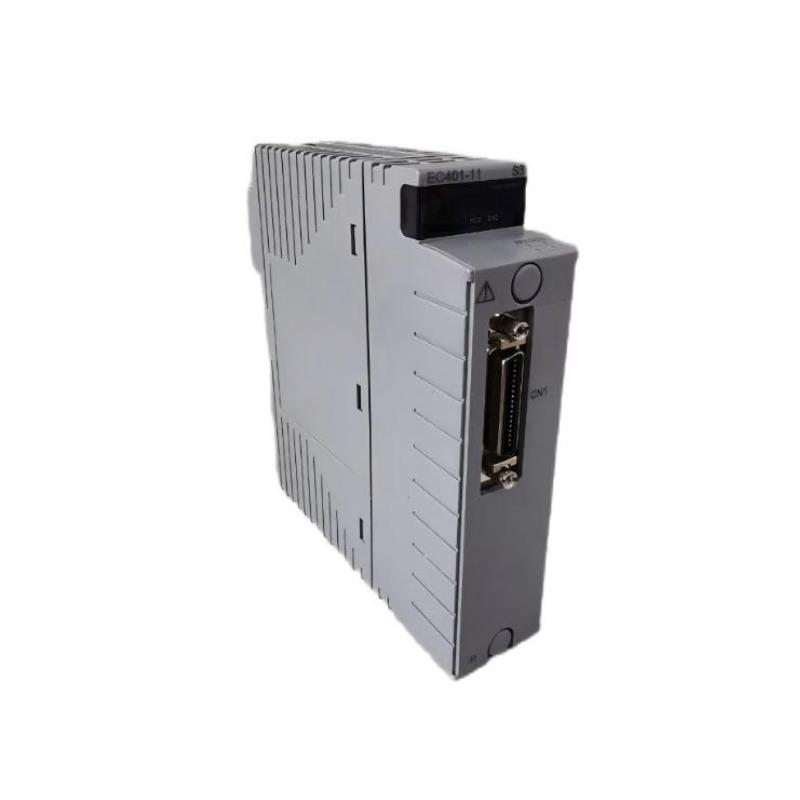
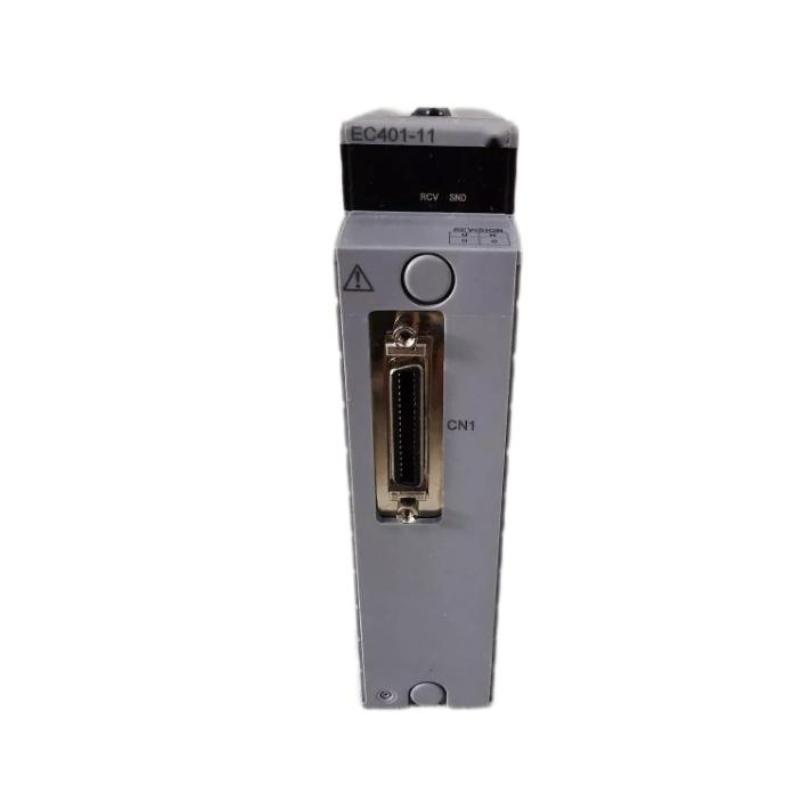
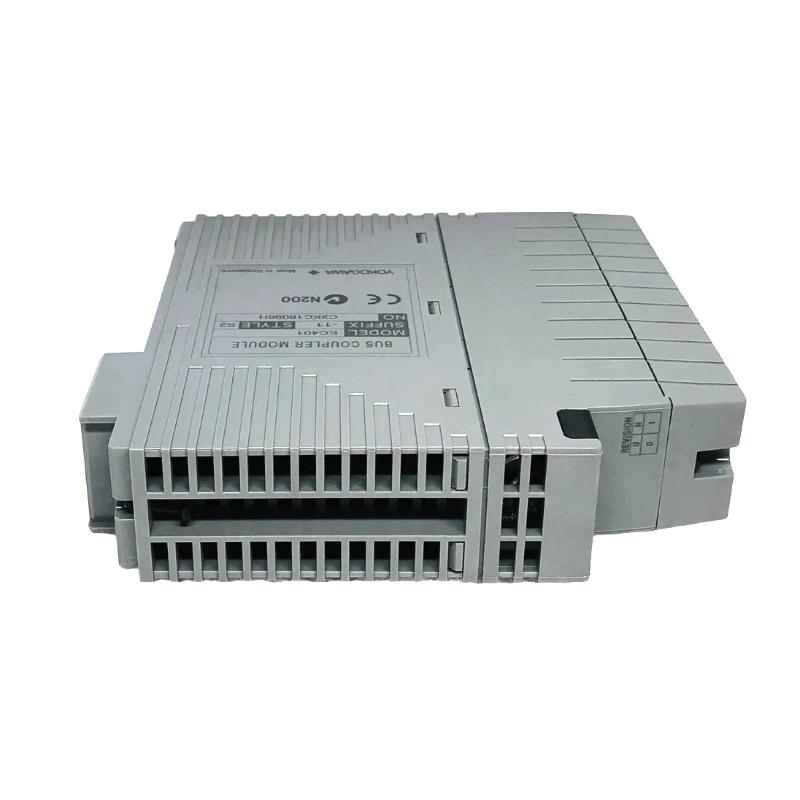
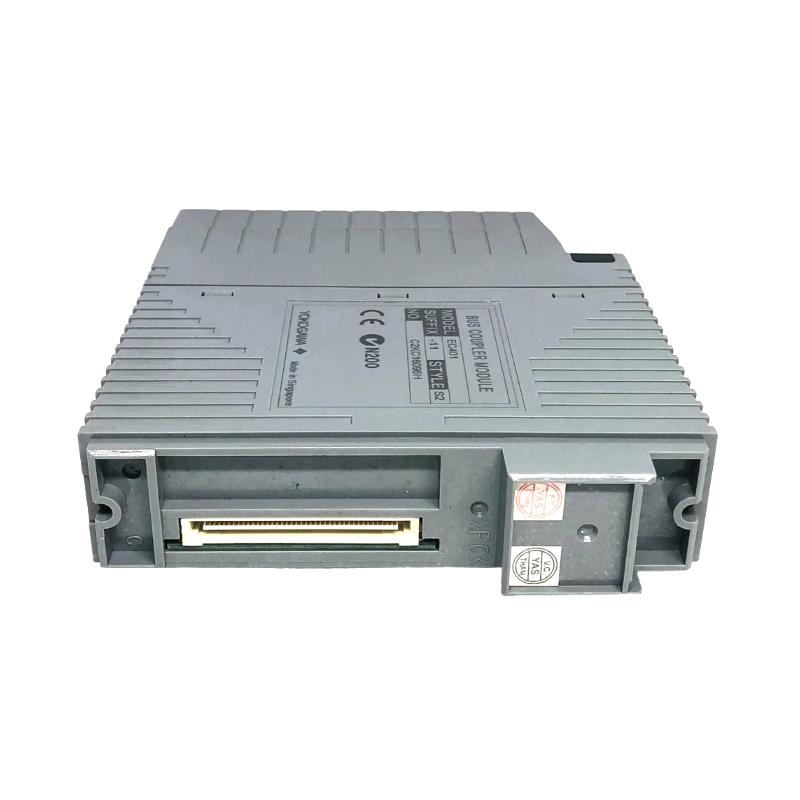
The Yokogawa EC401‑11 ESB Bus Coupler Module is a precision communication interface designed to bridge field devices and ESB (Enhanced Station Bus) networks within Yokogawa distributed control systems (DCS). Engineered for reliability and optimal performance, this coupler module ensures seamless data transfer and synchronization between remote I/O and master controllers. Its robust industrial design and integration‑ready configuration make it ideal for critical automation applications in process industries where uptime, data accuracy, and network stability are paramount.
Technical Specifications
Below is a structured summary of key specifications, including physical dimensions and weight:
| Specification | Description |
|---|
| Model | EC401‑11 ESB Bus Coupler Module |
| Module Type | ESB Bus Coupler |
| Network Protocol | ESB (Enhanced Station Bus) |
| Interface | Redundant ESB communication ports |
| Connector Type | Industrial multi‑pin connectors |
| Mounting | DIN‑rail or panel mount compatible |
| Material | Industrial‑grade metal housing |
| Operating Temperature | −20°C to +70°C (−4°F to +158°F) |
| Storage Temperature | −40°C to +85°C (−40°F to +185°F) |
| Dimensions (WxHxD) | Approx. 125 × 95 × 70 mm |
| Weight | Approx. 0.75 kg (1.65 lb) |
| Certifications | CE, UL, RoHS compliant |
Applications
The EC401‑11 ESB Bus Coupler Module is widely implemented across industries that demand synchronized communication and real‑time data flow:
-
Distributed Control Systems (DCS) in process plants
-
Remote field I/O integration in chemical, oil & gas, and energy sectors
-
Industrial automation requiring redundant communication paths
-
Power generation and utility control networks
-
Water/wastewater treatment system automation
-
Large‑scale manufacturing systems with distributed ESB topology
Its role as a communication bridge makes it essential for maintaining efficient networked control architectures.
Advantages
The Yokogawa EC401‑11 offers several benefits that elevate system performance and operational confidence:
-
Reliable Connectivity — Supports redundant ESB communication for continuous data transfer.
-
Industrial Durability — Designed to withstand harsh temperatures, vibration, and electrical interference.
-
Flexible Installation — DIN‑rail and panel mounting options provide installation versatility.
-
High Integration Compatibility — Seamlessly interfaces with Yokogawa controllers, remote I/O systems, and ESB infrastructure.
-
Efficient Signal Management — Optimized hardware design reduces latency and minimizes communication errors.
-
Maintenance‑Friendly — Accessible connectors and clear layout simplify field servicing.
These strengths translate to stable network performance, lower downtime, and simplified automation architectures.
Technical FAQs
-
What communication protocol does the EC401‑11 support?
It supports the Enhanced Station Bus (ESB) protocol for Yokogawa automation networks.
-
Does the module support redundant communication?
Yes — redundant ESB ports ensure uninterrupted communication paths.
-
How is the EC401‑11 mounted?
It can be mounted on DIN‑rail or panel, based on installation needs.
-
What environments can it operate in?
Designed for typical industrial temperature ranges of −20°C to +70°C.
-
Is it suitable for field cabinet installations?
Yes — compact form factor and flexible mounting support cabinet use.
-
What connectors are used for ESB links?
Industrial multi‑pin connectors provide secure and reliable ESB connectivity.
-
Does it provide diagnostic indicators?
Status LEDs are available on select configurations for communication health monitoring.
-
Can it interface with non‑Yokogawa components?
Integration with third‑party components should be verified per network and protocol compatibility.
-
Is grounding required?
Proper grounding is recommended to enhance electromagnetic compatibility (EMC).
-
What safety standards does this module meet?
It is certified to CE, UL, and RoHS standards.
 A DCS Q Co., Ltd. - PLC and DCS Industrial Control Equipment Wholesale











