Introduction
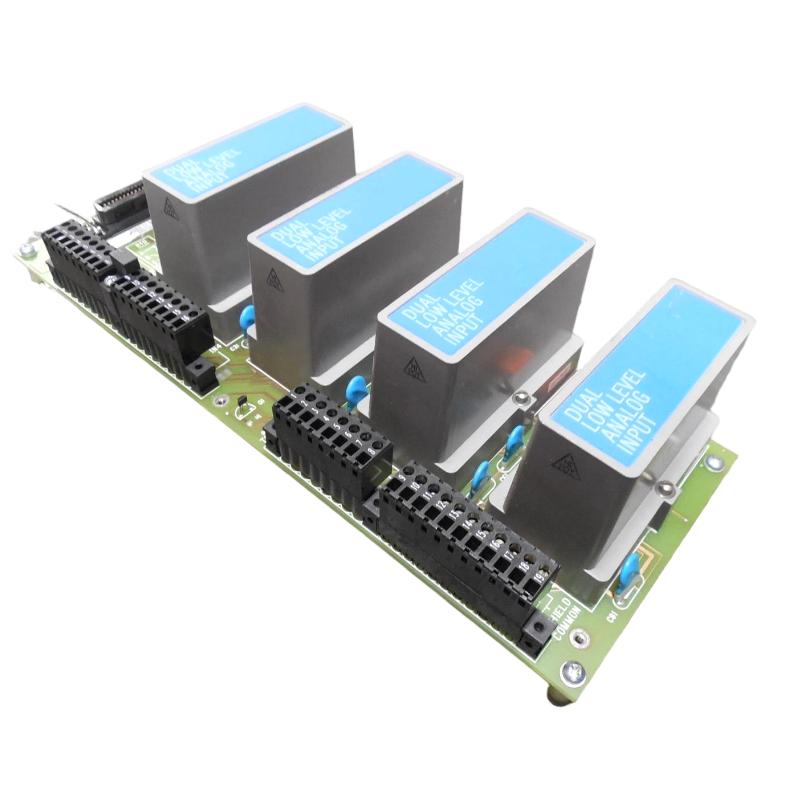
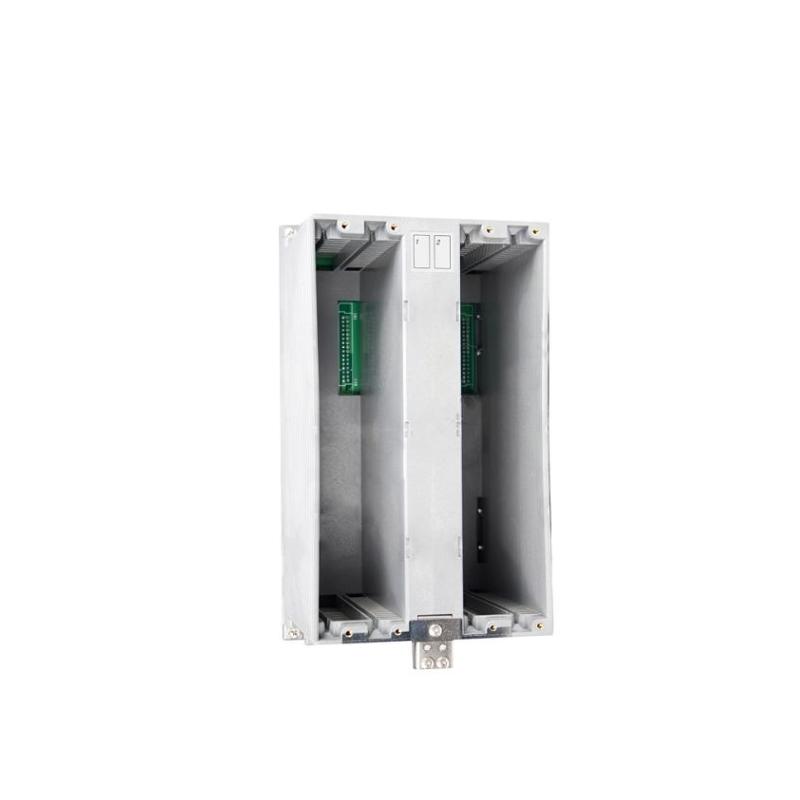
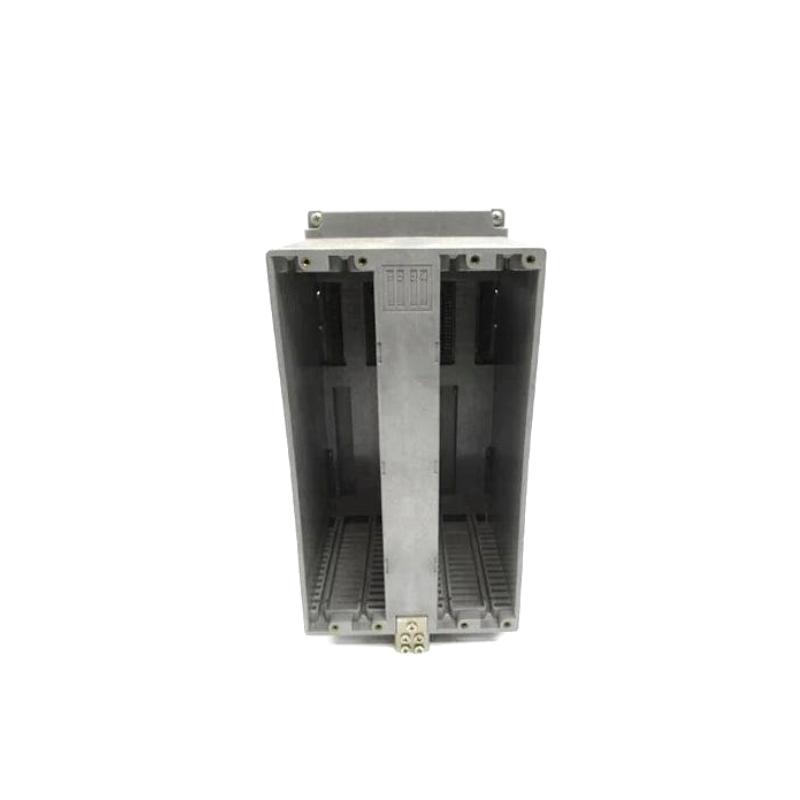
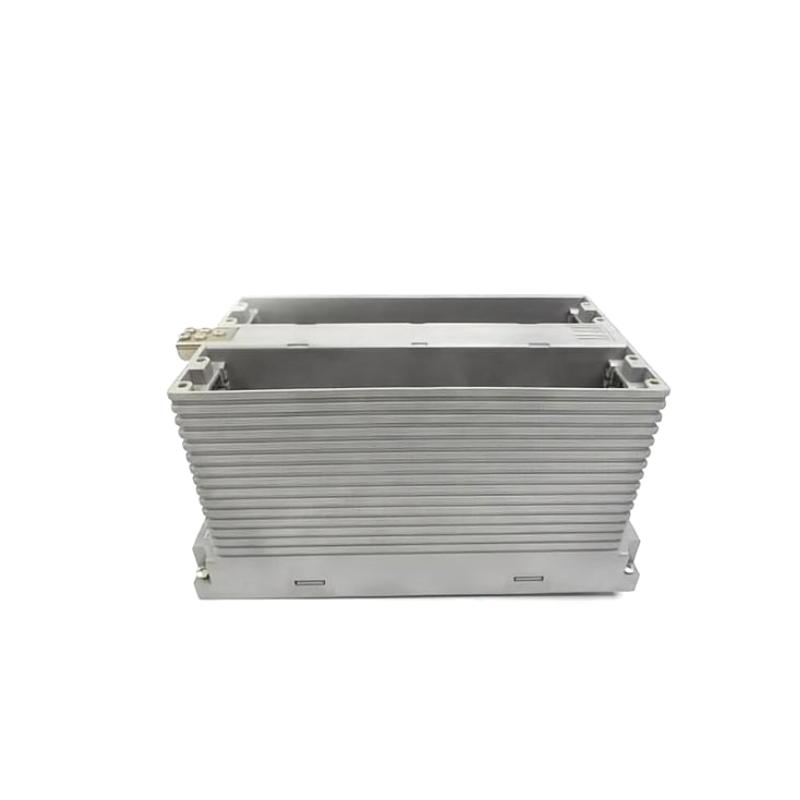
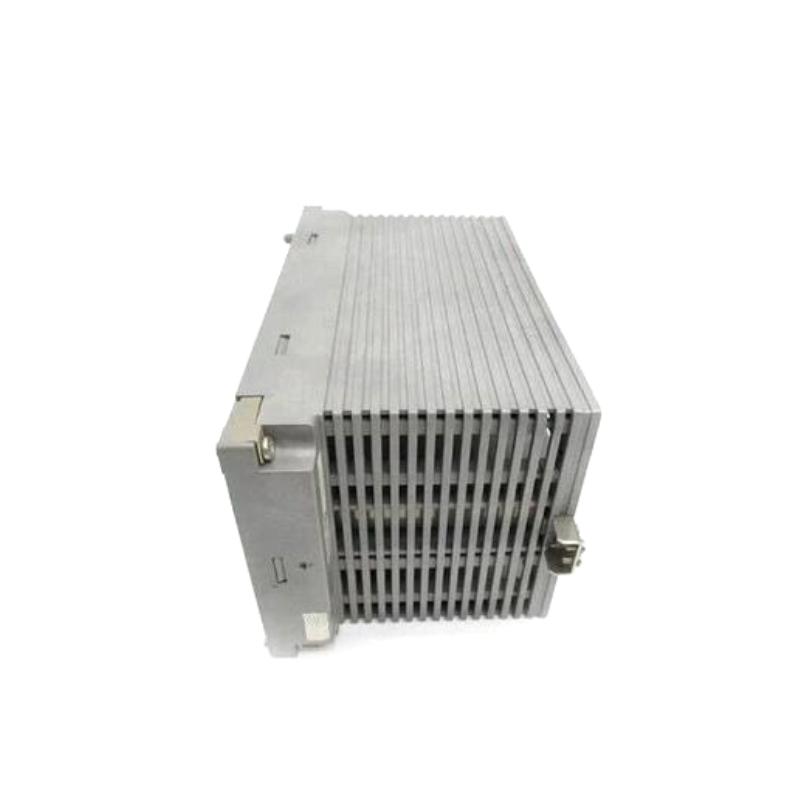
The Yokogawa AMN51 Communication Card Rack is a precision-engineered hardware platform designed to house and support communication interface cards within distributed control system networks. Built for industrial resilience and seamless integration with Yokogawa’s CENTUM® and ProSafe® automation ecosystems, this rack ensures robust data flow and efficient communication infrastructure in complex process environments. Its rugged design and reliable electrical connectivity make it a trusted choice for mission‑critical communication pathways in manufacturing, energy, and process automation industries.
Technical Specifications
The table below outlines the key technical details, including physical dimensions and weight:
| Specification | Description |
|---|
| Model | AMN51 Communication Card Rack |
| Module Type | Communication Card Rack |
| Slot Capacity | Up to 8 communication cards |
| Supported Interface Types | Ethernet, Fieldbus, Serial, Protocol Adapters |
| Connector Type | Industrial high‑density connectors |
| Mounting | Panel mount or DIN‑rail compatible |
| Material | Industrial‑grade steel with corrosion‑resistant finish |
| Operating Temperature | −20°C to +70°C (−4°F to +158°F) |
| Storage Temperature | −40°C to +85°C (−40°F to +185°F) |
| Dimensions (WxHxD) | Approx. 450 × 140 × 100 mm |
| Weight | Approx. 3.5 kg (7.7 lb) |
| Certifications | CE, UL, RoHS compliant |
Applications
The AMN51 is widely deployed where structured communication and data exchange are essential to process automation:
-
Industrial Ethernet and fieldbus network integration
-
Distributed Control Systems (DCS) requiring reliable communication pathways
-
Communication bridging between PLCs, controllers, and field devices
-
Process plants in oil & gas, chemical, petrochemical, and power utilities
-
Factory automation requiring multi‑protocol interface coordination
-
Remote monitoring, diagnostics, and data acquisition systems
Its modular flexibility facilitates tailored configurations to match diverse communication demands.
Advantages
The Yokogawa AMN51 Communication Card Rack offers several key benefits:
-
Modular and Scalable Design — Supports a range of communication interface cards, simplifying system expansion.
-
Robust Construction — Engineered to withstand industrial vibration, temperature fluctuations, and electrical noise.
-
High‑Integrity Connectivity — Precision connectors ensure reliable signal transmission with minimal loss.
-
Efficient Space Usage — Compact footprint optimized for control panels and cabinets.
-
Clear Wiring Organization — Layout supports organized installations and easier field servicing.
-
Seamless Integration — Works natively with Yokogawa communication modules and control platforms.
These advantages translate into improved uptime, reduced maintenance complexity, and streamlined communication infrastructure.
Technical FAQs
-
What communication card types are supported?
The rack accommodates Yokogawa communication cards such as Ethernet, fieldbus, serial, and protocol adapter modules.
-
How many communication cards can be installed?
The AMN51 supports up to 8 communication cards.
-
Can the rack be installed in cabinets or enclosures?
Yes — it supports both panel mount and DIN‑rail configurations.
-
What environments is the rack designed for?
Industrial environments with temperatures from −20°C to +70°C are supported.
-
Does the rack include wiring termination points?
Termination provisions depend on the installed communication cards; the rack provides connector interfaces.
-
Is it suitable for mixed protocol communications?
Yes — with appropriate communication cards, multiple protocols can co‑exist.
-
Does it support hot‑swapping of cards?
Hot‑swap capability is determined by the individual communication card design and control system configuration.
-
What certifications does the rack have?
It is certified to CE, UL, and RoHS standards.
-
Are grounding points provided?
Yes — grounding points are included to ensure optimal EMC and signal integrity.
-
Can it interface with third‑party modules?
Compatibility with third‑party communication modules should be verified on a case‑by‑case basis.
 A DCS Q Co., Ltd. - PLC and DCS Industrial Control Equipment Wholesale