Introduction
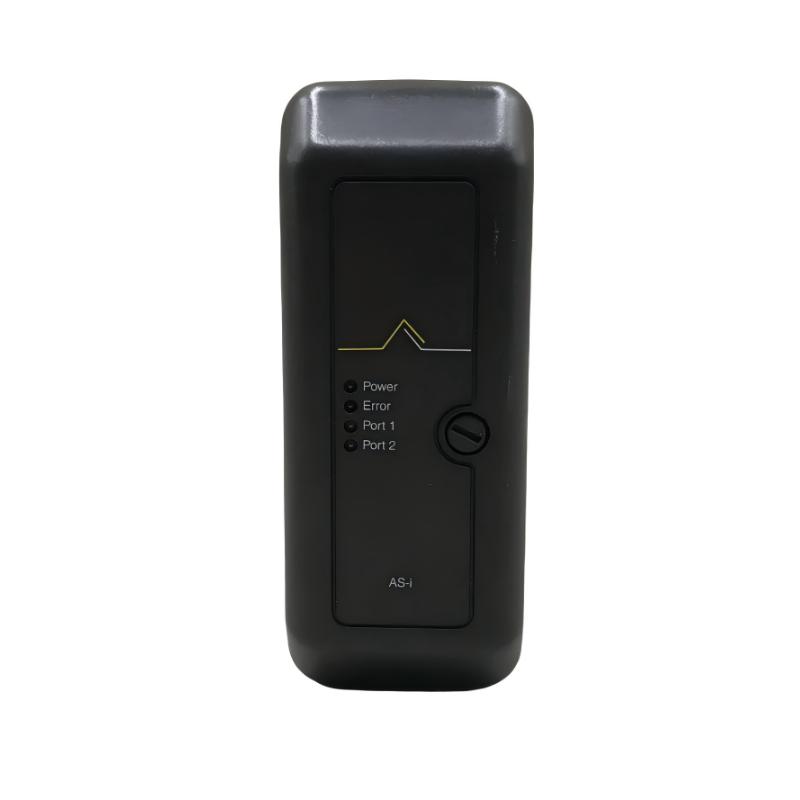
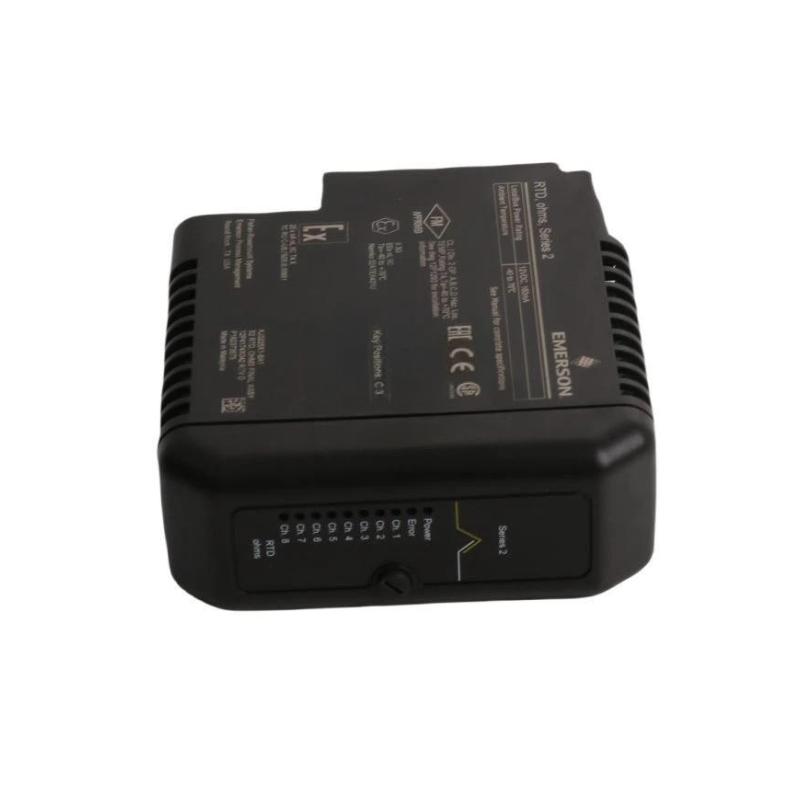
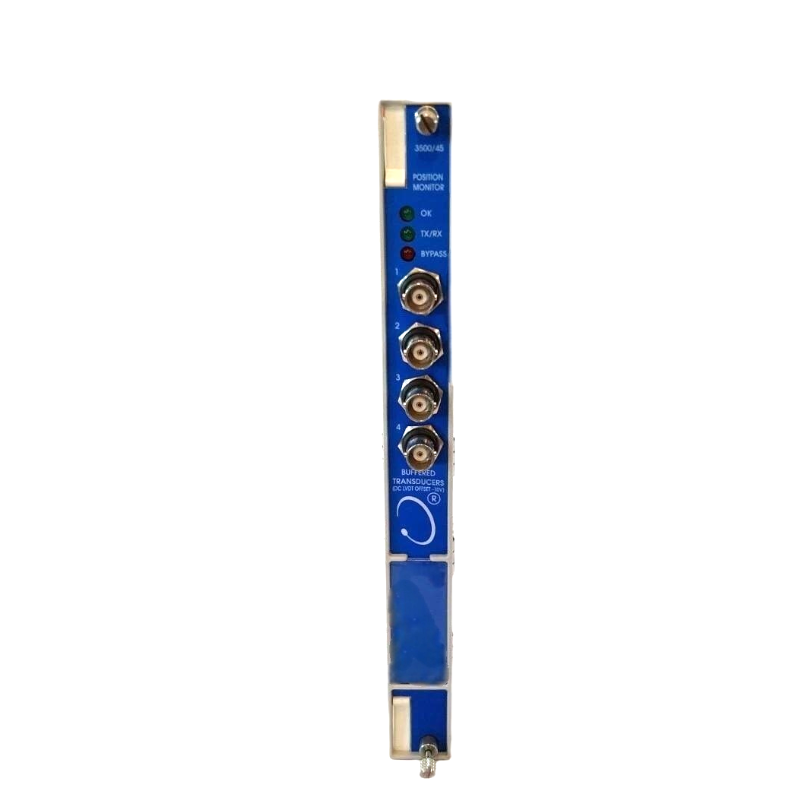
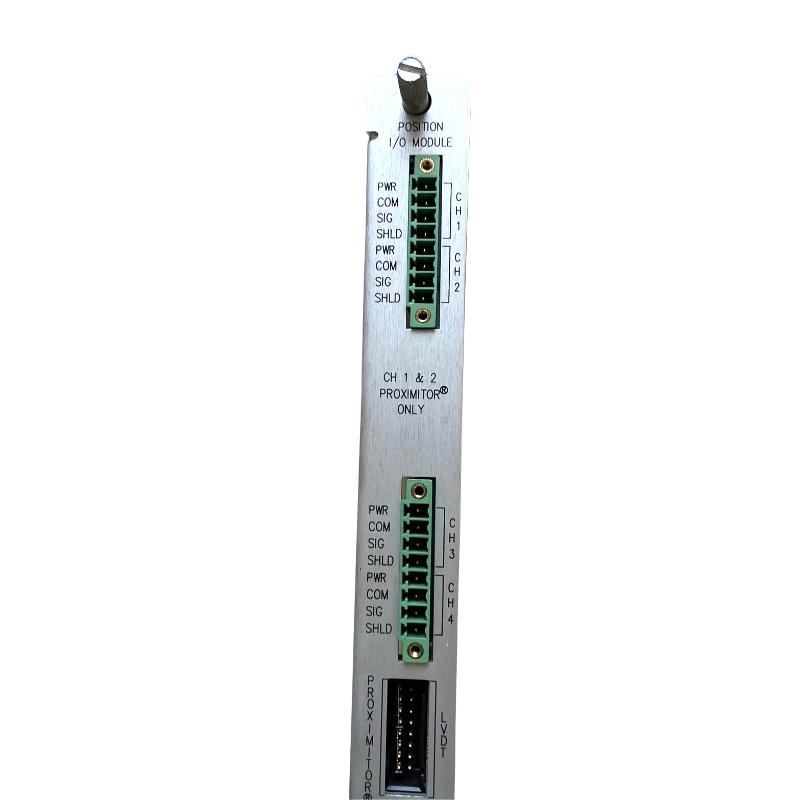
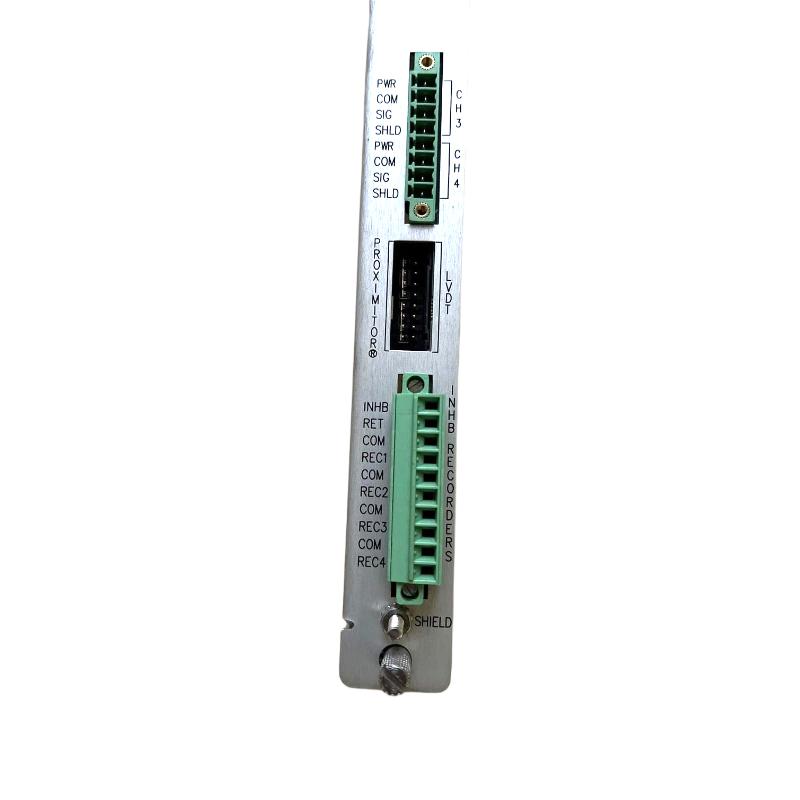
The Bently Nevada 3500/45 Position Monitor combined with the dedicated I/O module is designed to deliver high-fidelity displacement and axial position monitoring within the 3500 Machinery Protection System. This configuration pairs the signal processing capability of the position monitor with a purpose-built I/O interface, ensuring accurate acquisition and reliable system-level communication.
Engineered for critical assets where mechanical position is a primary indicator of machine health, the 3500/45 solution addresses operating conditions that vibration monitoring alone cannot fully capture. Its architecture reflects a protection-first philosophy, emphasizing data integrity, operational continuity, and deterministic system behavior.
Technical Specifications
| Item | Description |
|---|
| Product Configuration | Position Monitor Module with dedicated I/O Module |
| System Compatibility | Bently Nevada 3500 Series |
| Measurement Principle | Linear displacement and axial position |
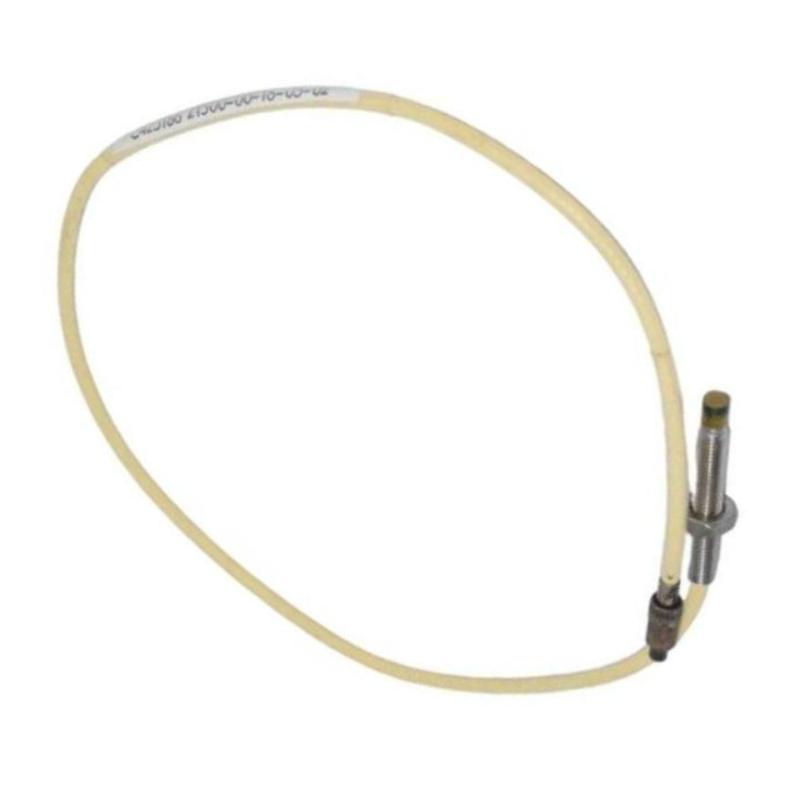
| Sensor Interface | Proximity probe inputs via I/O module |
| Channel Structure | Multi-channel monitoring capability |
| Signal Handling | Continuous real-time processing |
| Diagnostic Functions | Internal self-diagnostics and fault detection |
| System Integration | Backplane-based communication |
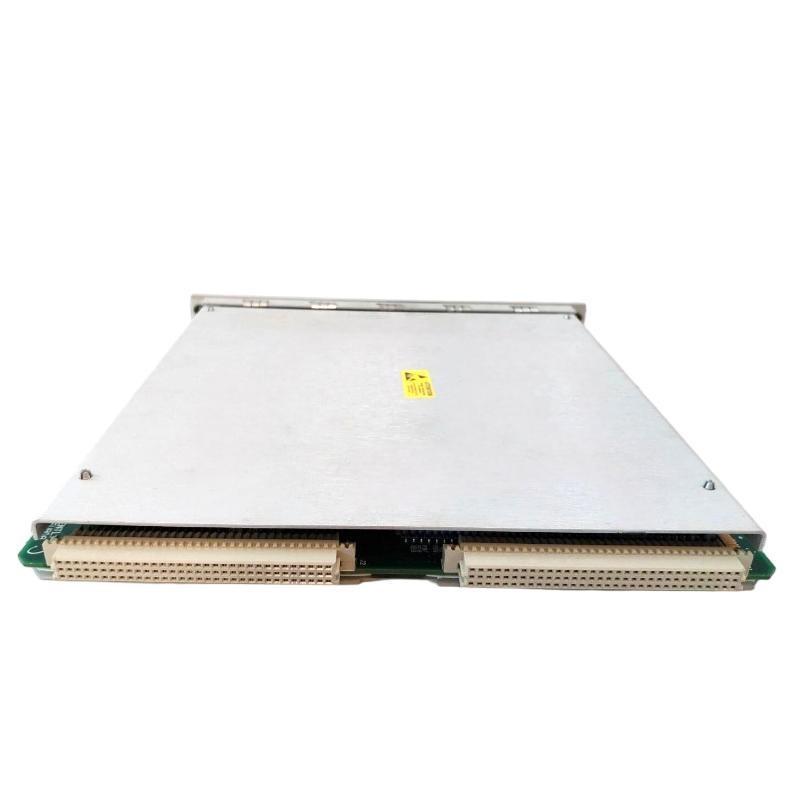
| Installation Format | Rack-mounted modules |
| Dimensions | 241.3 × 24.4 × 241.8 mm |
| Weight | 0.91 kg |
Applications
• Axial Thrust Monitoring in Turbines and Compressors
Used to supervise axial shaft movement in steam turbines, gas turbines, and centrifugal compressors, supporting early detection of abnormal thrust conditions.
• Differential Expansion Measurement in Large Rotating Equipment
Applied where thermal growth affects rotor and casing alignment, enabling controlled operation during temperature transitions and load changes.
• Position Feedback for Critical Mechanical Systems
Provides reliable linear position data for machinery components and auxiliary systems where precise displacement feedback is required for protection or control logic.
Advantages
• Clear Separation of Signal Processing and I/O Functions
The dedicated I/O module enhances signal integrity and simplifies system wiring, contributing to more predictable and stable monitoring performance.
• Designed for Protection-Critical Measurements
Optimized for slow-moving and static displacement parameters, the module delivers consistent results without the noise sensitivity typical of vibration-focused hardware.
• System-Level Reliability and Maintainability
The modular design supports straightforward replacement and expansion within an operating rack, reducing maintenance complexity and minimizing downtime.
Technical FAQs
1. What is the role of the I/O module in this configuration?
The I/O module provides sensor interfacing and signal routing between the proximity probes and the position monitor.
2. What parameters does the 3500/45 primarily measure?
It measures axial position and other linear displacement-related parameters.
3. Is this module intended for vibration monitoring?
No. It is specifically designed for position and displacement measurement.
4. Can the position monitor function without the I/O module?
No. The I/O module is required for proper sensor connection and system operation.
5. How does this module contribute to machinery protection?
It supplies precise position data used for alarms and protective shutdown decisions.
6. Is continuous operation supported?
Yes. The module is engineered for continuous duty in critical industrial environments.
7. What type of sensors are compatible?
Proximity probes designed for displacement measurement are used with this module.
8. How is configuration performed?
Configuration is completed through the 3500 system configuration tools during commissioning.
9. Which industries commonly apply this module combination?
Power generation, oil and gas, petrochemical processing, and heavy industrial operations.
10. What differentiates this configuration from other 3500 monitoring modules?
Its focus on axial position and displacement, combined with a dedicated I/O interface, distinguishes it from vibration and general-purpose monitoring modules.
 A DCS Q Co., Ltd. - PLC and DCS Industrial Control Equipment Wholesale