Introduction
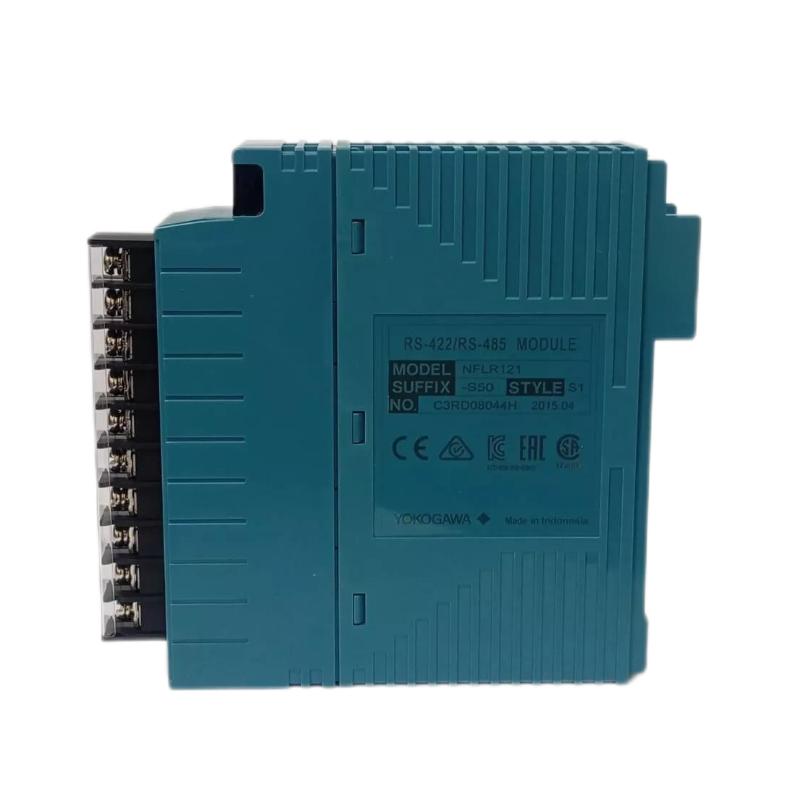
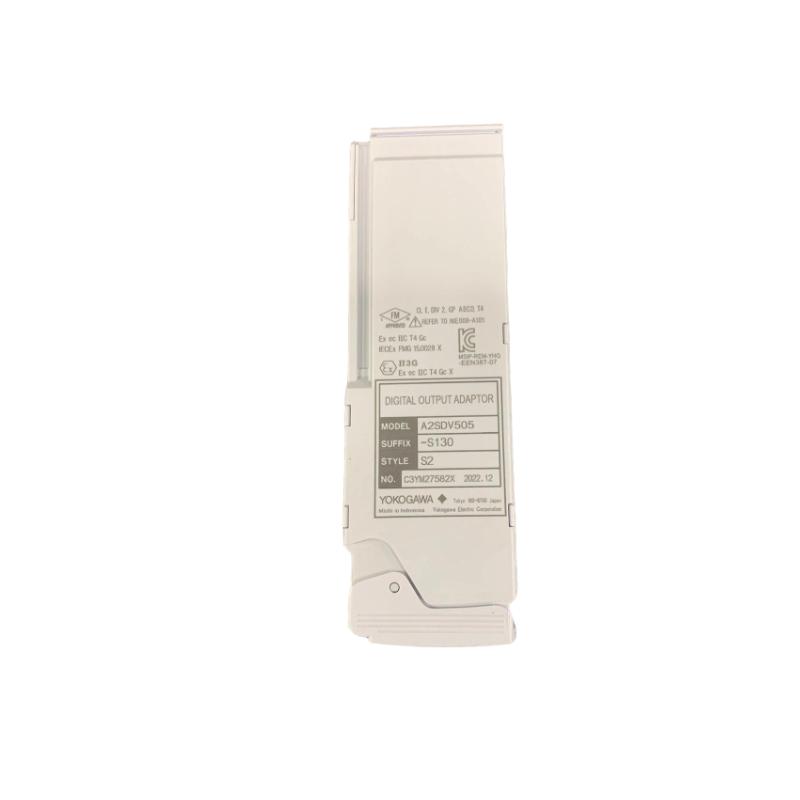
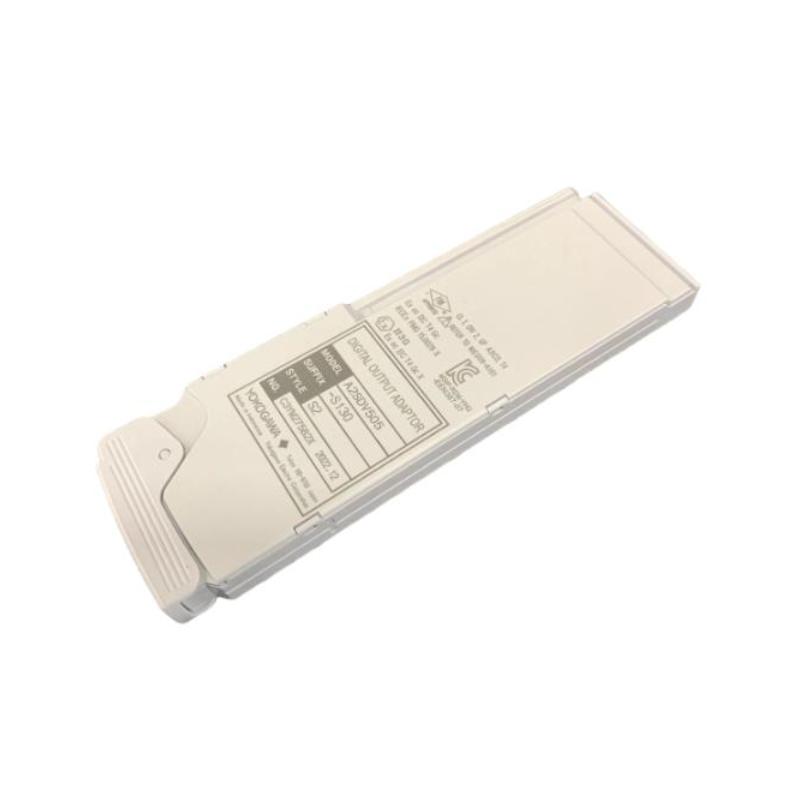
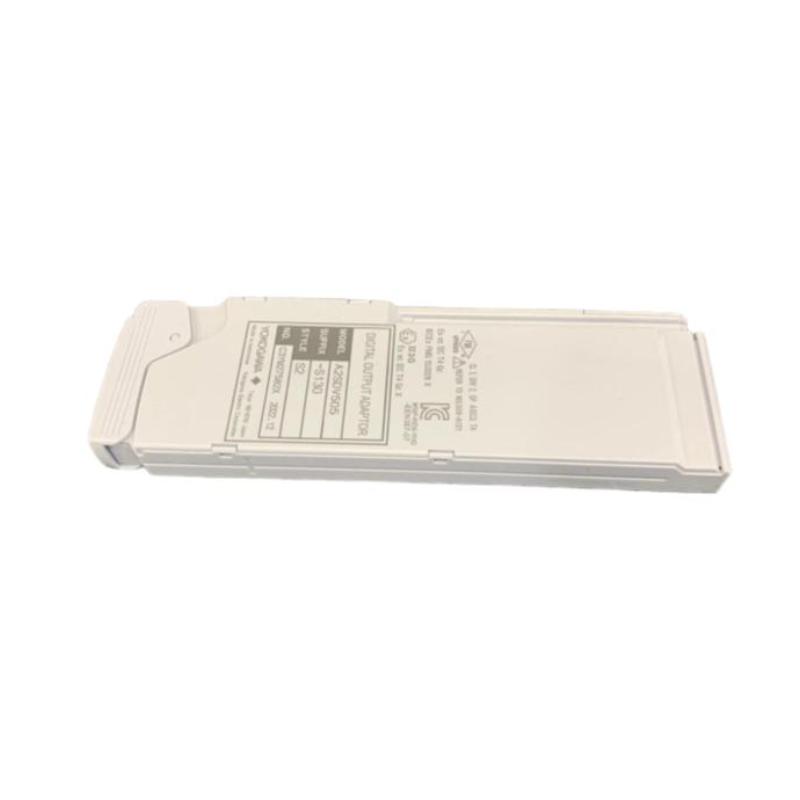
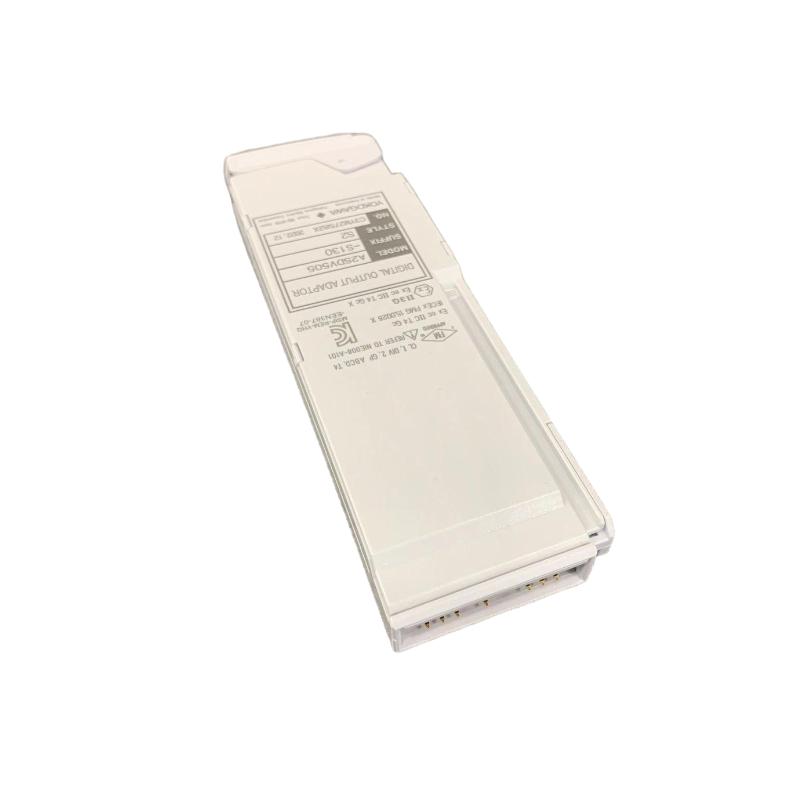
The Yokogawa A2SAT105 is a high-performance mV/TC/RTD input adapter, designed for industrial applications where accurate measurement and conversion of temperature and voltage signals are essential. This versatile adapter supports various types of input signals, including millivolt (mV), thermocouple (TC), and resistance temperature detector (RTD) signals, making it ideal for use in temperature measurement, process control, and automation systems. It provides seamless integration with distributed control systems (DCS), programmable logic controllers (PLCs), and SCADA systems, enabling efficient real-time data acquisition, monitoring, and control in industries such as chemical processing, energy generation, and manufacturing.
Technical Specifications
| Specification | Value |
|---|
| Model Number | Yokogawa A2SAT105 |
| Module Type | mV/TC/RTD Input Adapter |
| Dimensions (L × W × H) | 130 × 12.8 × 40 mm |
| Weight | 0.1 kg |
| Power Supply | 24V DC |
| Signal Input Type | mV, Thermocouple (TC), RTD |
| Input Range | -200°C to +1800°C (depending on input type) |
| Communication Protocol | Modbus RTU |
| Operating Temperature Range | -40°C to +85°C |
Applications
The Yokogawa A2SAT105 mV/TC/RTD Input Adapter is used in various industries and applications that require accurate temperature or voltage measurement and control:
-
Temperature Measurement: Ideal for industrial systems that need to measure temperature using thermocouples (TC) or RTDs, ensuring accurate data for process control.
-
Process Control Systems: Converts temperature and voltage signals into usable data for process automation systems, improving the efficiency and accuracy of automated control.
-
Energy Generation: Used to monitor the temperature of critical equipment, such as turbines and boilers, providing essential data for performance monitoring and optimization in power plants.
-
Chemical Processing: Helps monitor temperature and voltage signals from sensors in chemical reactors, ensuring optimal operating conditions and preventing system failures.
-
Manufacturing Systems: Provides accurate temperature measurement and signal conditioning for monitoring and controlling machinery in manufacturing processes, reducing the risk of malfunction.
-
HVAC Systems: Used for monitoring temperature in heating, ventilation, and air conditioning systems, ensuring systems are operating within optimal temperature ranges for efficiency.
 A DCS Q Co., Ltd. - PLC and DCS Industrial Control Equipment Wholesale