Introduction
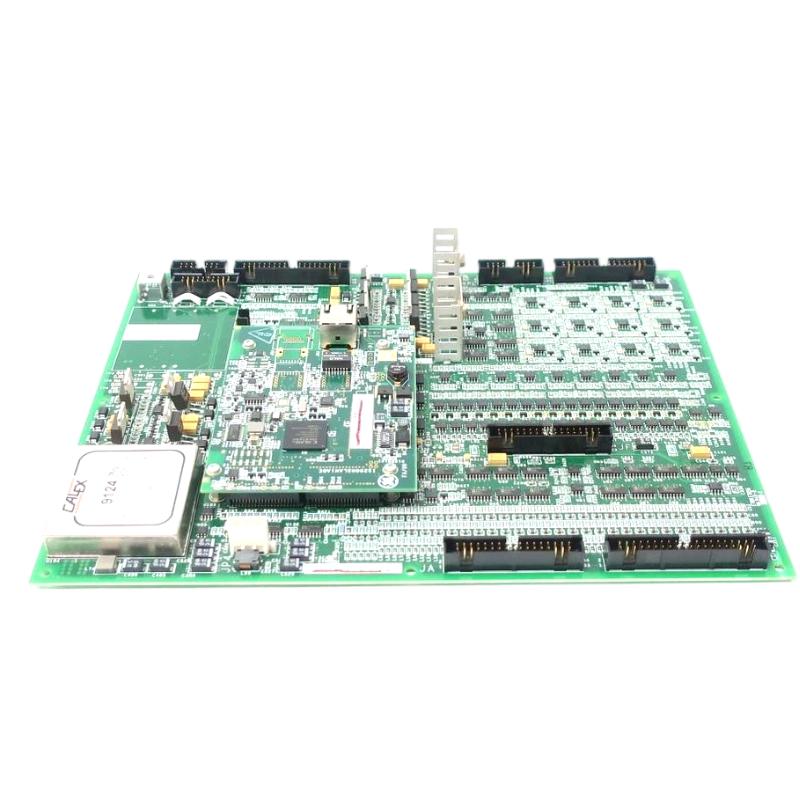
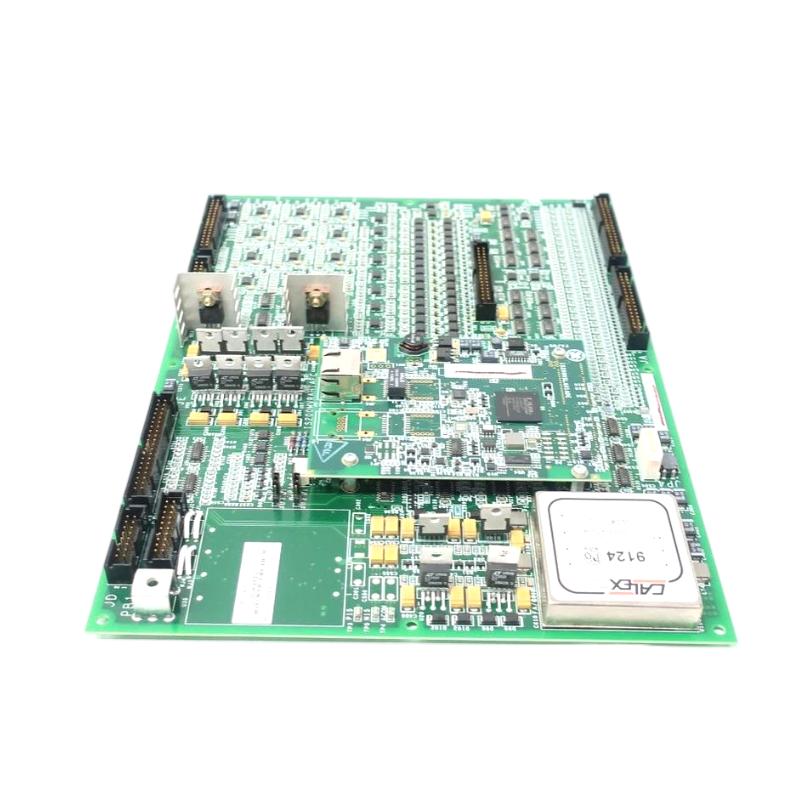
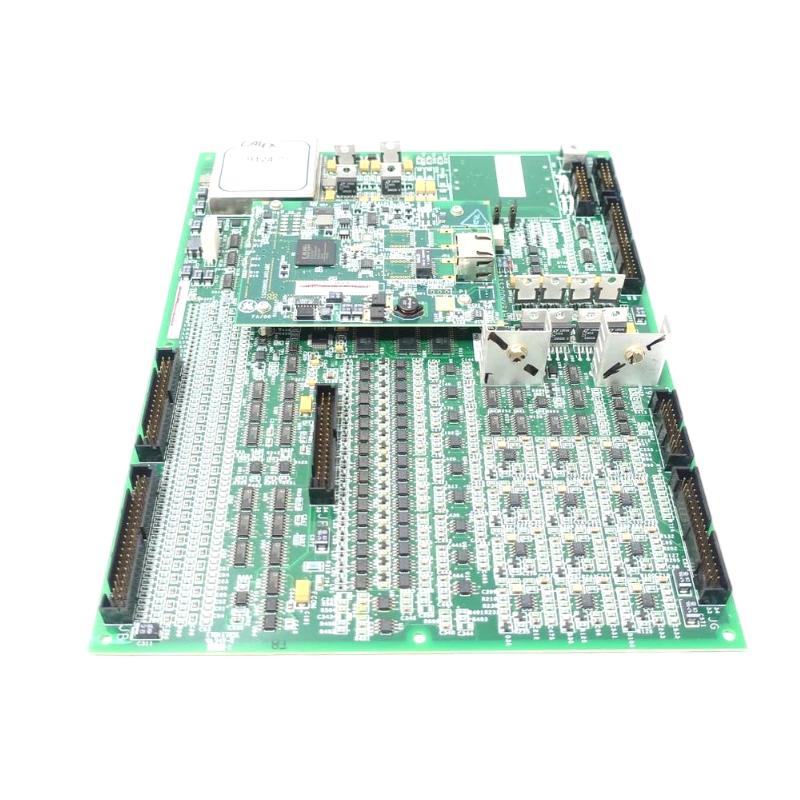
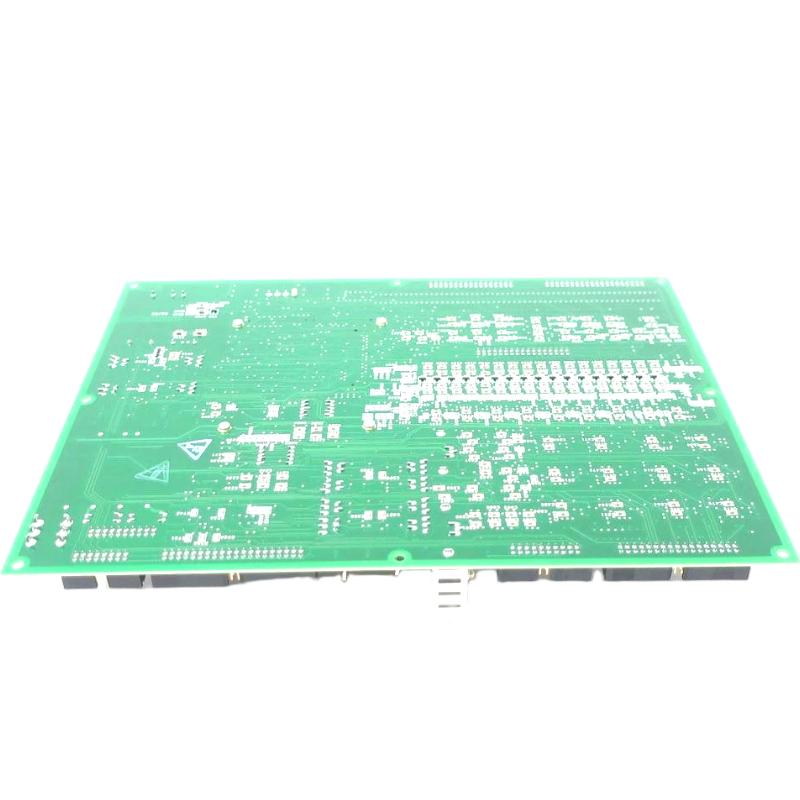
The GE IS210MVRAH1A Interface Board is a crucial component within General Electric's Mark VIe Control System, designed to facilitate communication and signal processing between the system and external field devices. This interface board provides reliable data transmission, making it an essential element in industrial applications that require high-speed, accurate, and stable communication. The IS210MVRAH1A is particularly suited for demanding environments in industries such as power generation, oil & gas, chemical processing, and manufacturing, where ensuring the integrity and timeliness of data exchange is critical to system performance and safety.
Technical Specifications
| Specification | Details |
|---|
| Model | GE IS210MVRAH1A |
| Type | Interface Board |
| Dimensions | 285 × 225 × 40 mm |
| Weight | 0.458 kg |
| Power Supply | 24V DC (Nominal) |
| Interface Type | Communication Interface |
| Mounting Type | DIN Rail Mounting |
| Operating Temperature Range | -20°C to 70°C |
| Certifications | CE, RoHS, UL |
Applications
The GE IS210MVRAH1A Interface Board plays a vital role in connecting field devices to the control system in various industrial environments. Its applications include:
-
Power Generation: Ensures reliable communication between the turbine control system and field devices such as sensors, valves, and monitoring equipment, contributing to the smooth operation of power plants.
-
Oil & Gas: Interfaces with pressure sensors, flow meters, valves, and other critical devices in the oil and gas industry, ensuring real-time data communication for operational safety and efficiency.
-
Chemical Processing: Facilitates reliable data transfer between control systems and field devices like pumps, mixers, and valve actuators, optimizing the efficiency and safety of chemical production processes.
-
Manufacturing: Provides a communication link between the factory automation system and field devices such as motors, actuators, and sensors, helping to improve production efficiency and reliability.
-
Water Treatment: Enables data communication between control systems and monitoring devices such as flow meters, pressure gauges, and safety systems, ensuring efficient and safe water treatment operations.
-
Building Management: Integrates with HVAC systems, lighting, and security devices, enhancing the automation and management of building environments.
 A DCS Q Co., Ltd. - PLC and DCS Industrial Control Equipment Wholesale