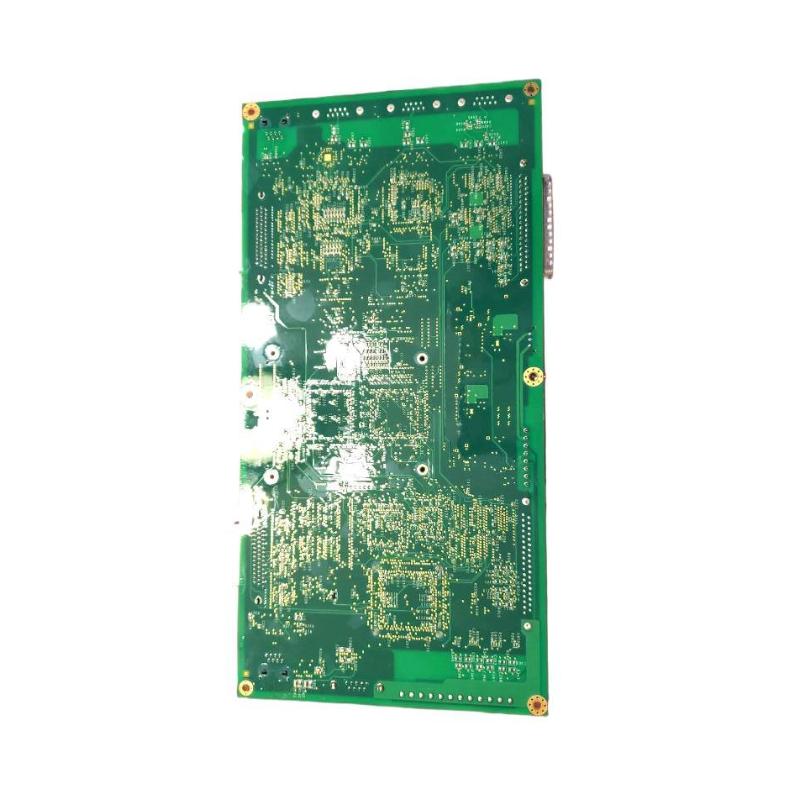
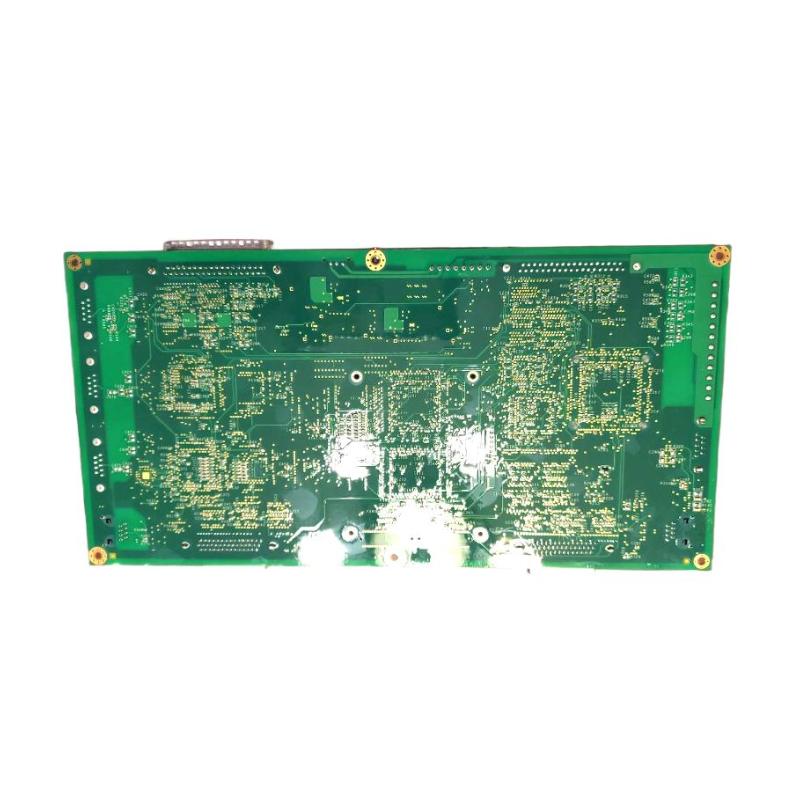
Introduction
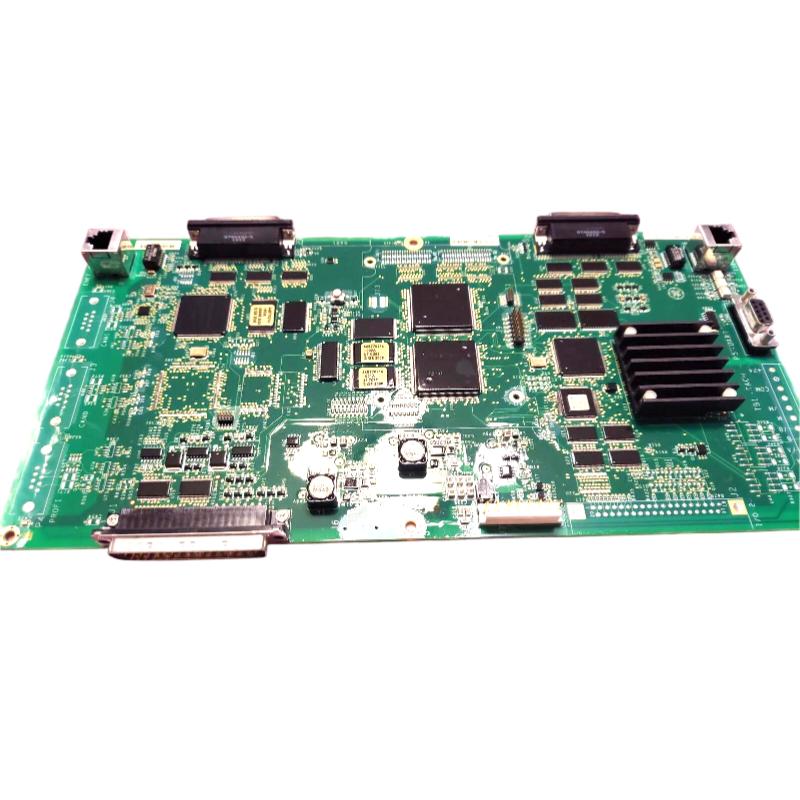
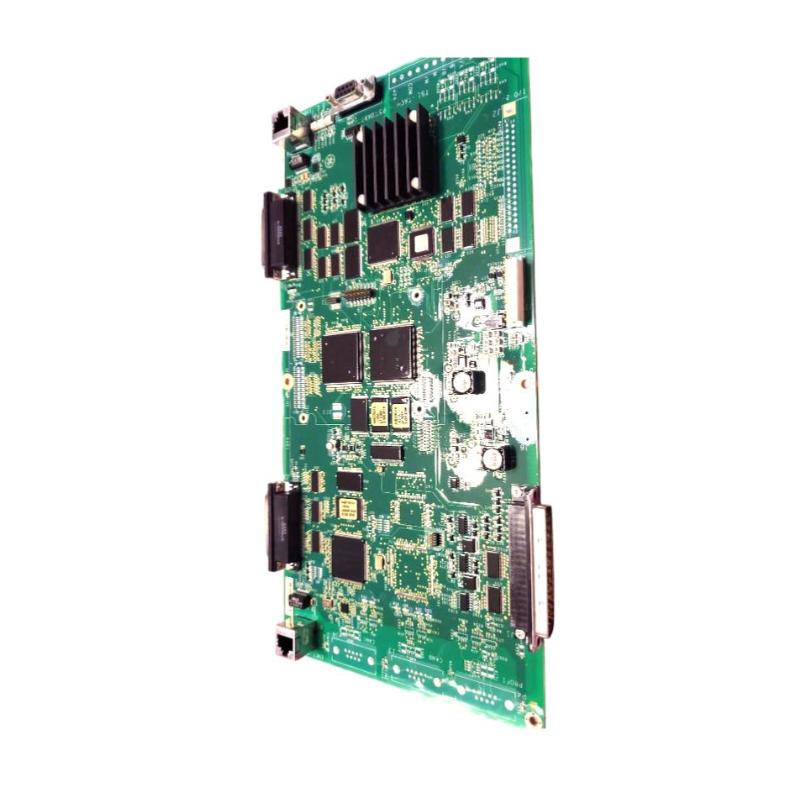
The GE IS210MACCH3A Wind Turbine Main Board is a critical component of General Electric's Mark VIe Control System, specifically designed for wind turbine applications. This main board serves as the central communication hub for the turbine, enabling seamless data exchange between the turbine’s field devices and the control system. With its robust design and high performance, the IS210MACCH3A is optimized for use in harsh wind turbine environments, where reliability, durability, and performance are paramount. This module is suitable for applications in wind energy generation, offering superior control and monitoring capabilities to ensure efficient and safe turbine operation.
Technical Specifications
| Specification | Details |
|---|
| Model | GE IS210MACCH3A |
| Type | Wind Turbine Main Board |
| Dimensions | 180 x 85 x 30 mm |
| Weight | 0.4 kg |
| Power Supply | 24V DC (Nominal) |
| Interface Type | Communication Interface |
| Mounting Type | DIN Rail Mounting |
| Operating Temperature Range | -20°C to 70°C |
| Certifications | CE, RoHS, UL |
Applications
The GE IS210MACCH3A Wind Turbine Main Board is designed for reliable communication and control within wind turbines, contributing to the overall efficiency and safety of wind power generation systems. Key applications include:
-
Wind Power Generation: Provides communication between the wind turbine control system and field devices such as sensors, actuators, and generator monitoring systems, ensuring reliable turbine operation.
-
Renewable Energy Systems: Enhances the integration of wind turbines within renewable energy networks, ensuring effective energy generation and grid stability.
-
Condition Monitoring: Interfaces with various monitoring devices such as vibration sensors, temperature sensors, and pressure gauges to track turbine health and performance.
-
Maintenance Optimization: The board supports the integration of predictive maintenance tools, enabling proactive monitoring and reducing unplanned downtime by identifying potential issues early.
-
Remote Monitoring: Facilitates the connection of the turbine to remote monitoring systems, enabling offsite engineers and operators to monitor the turbine’s health and performance.
-
Energy Efficiency: Contributes to overall energy optimization by ensuring that all turbine systems work together efficiently, from the generator to the control panels.
 A DCS Q Co., Ltd. - PLC and DCS Industrial Control Equipment Wholesale