Introduction
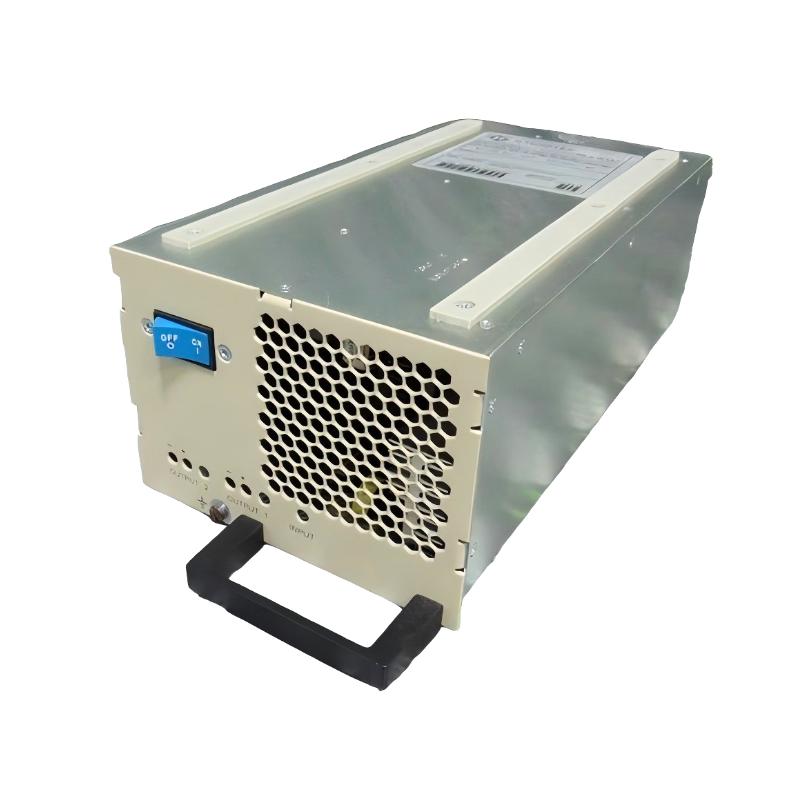
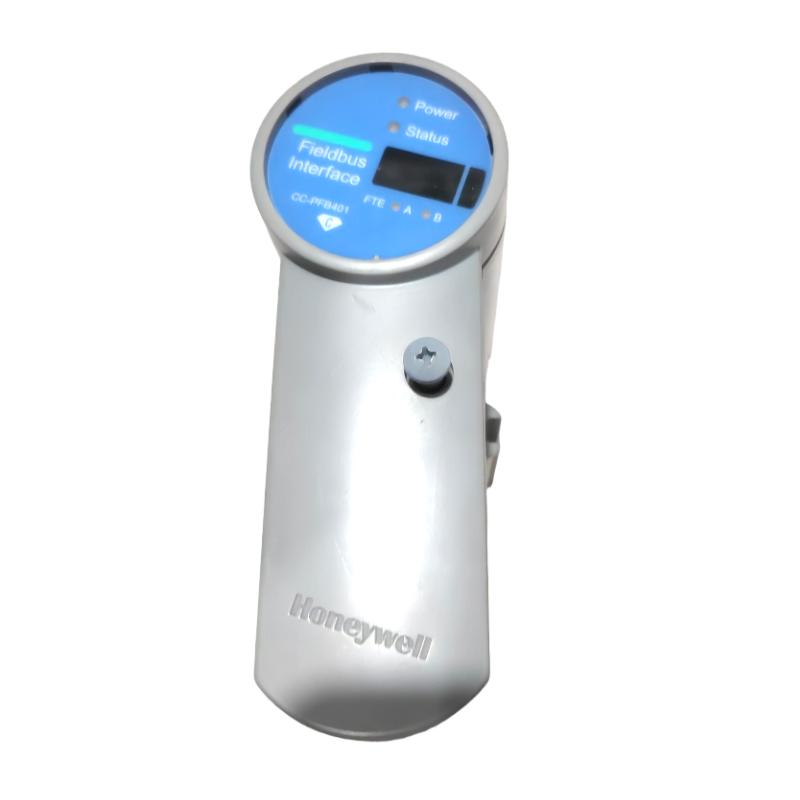
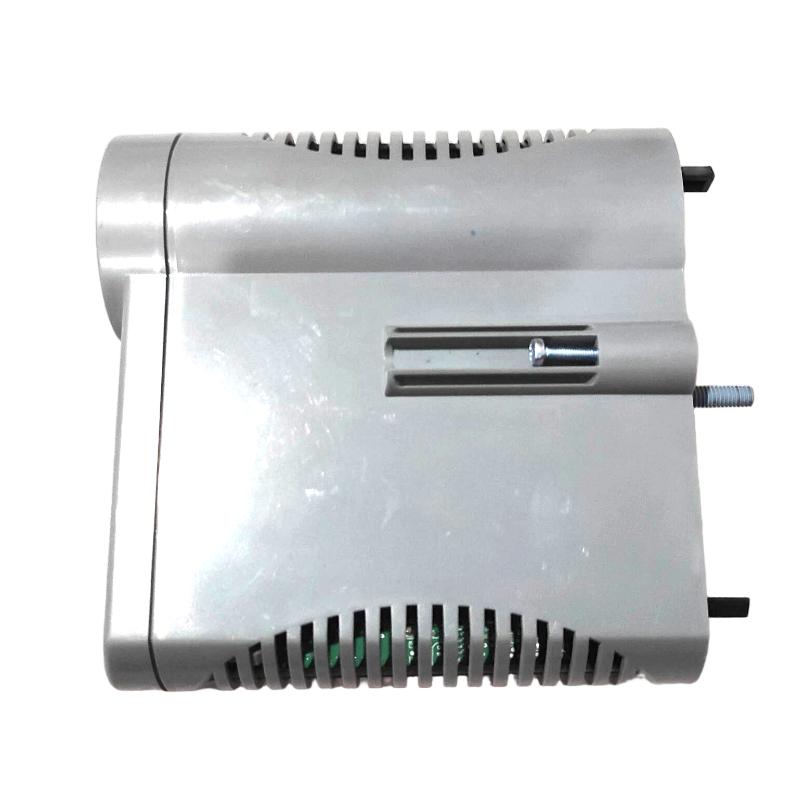
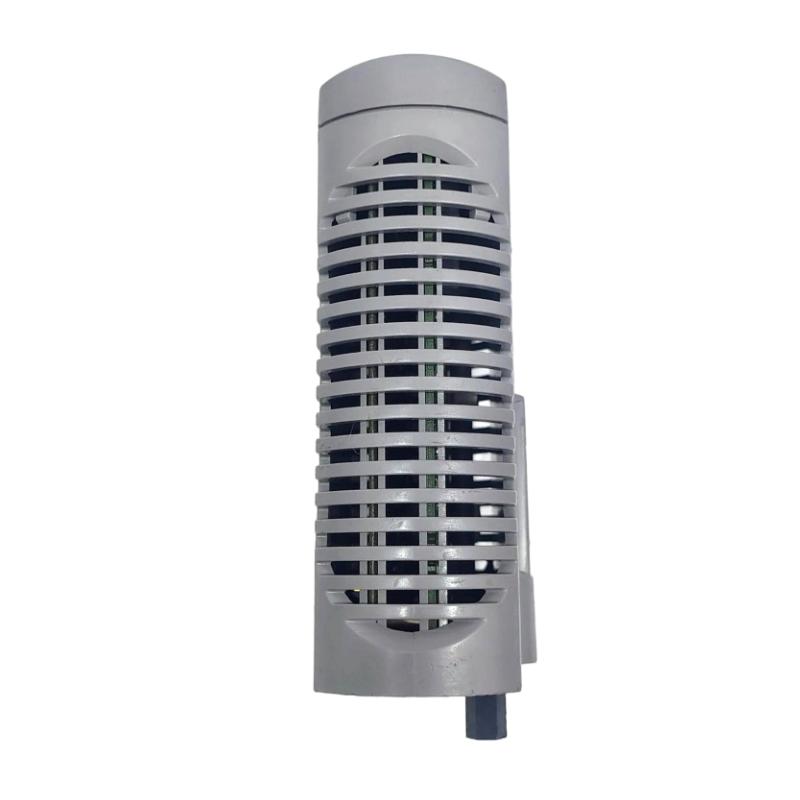
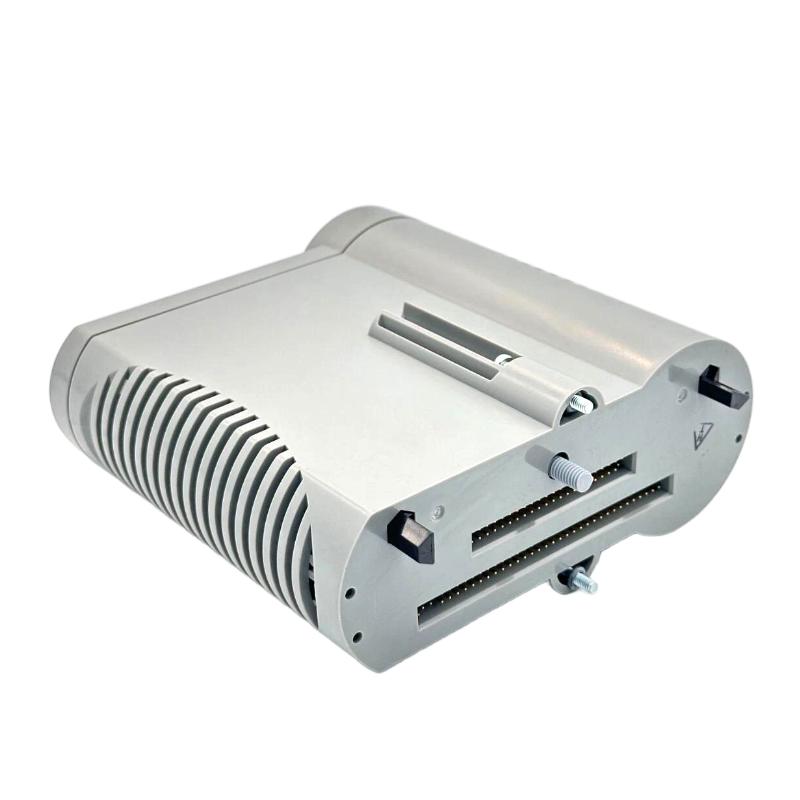
The Honeywell CC-PWR401 Power Supply is designed to provide reliable and efficient power to Honeywell's automation and control systems. This module is essential for ensuring the proper operation of industrial equipment, offering consistent power delivery to control systems, field devices, and communication modules. With its robust design, the CC-PWR401 is widely used across various industries, including oil & gas, chemical processing, manufacturing, and power generation, where reliable power is crucial to system uptime and performance. Its compact design and high performance make it a key component in maintaining the continuous operation of critical systems in industrial environments.
Technical Specifications
| Specification | Details |
|---|
| Model | Honeywell CC-PWR401 |
| Type | Power Supply Module |
| Dimensions | 63.5 x 124.46 x 307.34 mm |
| Weight | 0.3 kg |
| Power Supply | 24V DC (Nominal) |
| Mounting Type | DIN Rail Mounting |
| Input Voltage | 100-240V AC |
| Output Voltage | 24V DC |
| Operating Temperature Range | -20°C to 70°C |
| Certifications | CE, RoHS, UL |
Applications
The Honeywell CC-PWR401 Power Supply is designed for use in critical applications where stable and reliable power is required. Key applications include:
-
Industrial Automation: Powers control systems and field devices in industrial automation setups, ensuring continuous and reliable operation of automated systems.
-
Process Control: Provides stable power to process control systems in industries such as chemical manufacturing, food and beverage, and pharmaceuticals, where constant system operation is crucial.
-
Oil & Gas: Supplies power to control and monitoring equipment in oil rigs, refineries, and pipelines, ensuring reliable operation in harsh environments.
-
Power Generation: Supports power plants by providing consistent power to control systems, turbines, and other critical equipment, improving system stability and performance.
-
Manufacturing: Powers automated machinery and sensors in production lines, enhancing efficiency and minimizing production disruptions.
-
Building Management: Powers building automation systems, including HVAC, lighting, and security systems, optimizing energy consumption and operational control.
 A DCS Q Co., Ltd. - PLC and DCS Industrial Control Equipment Wholesale