Introduction
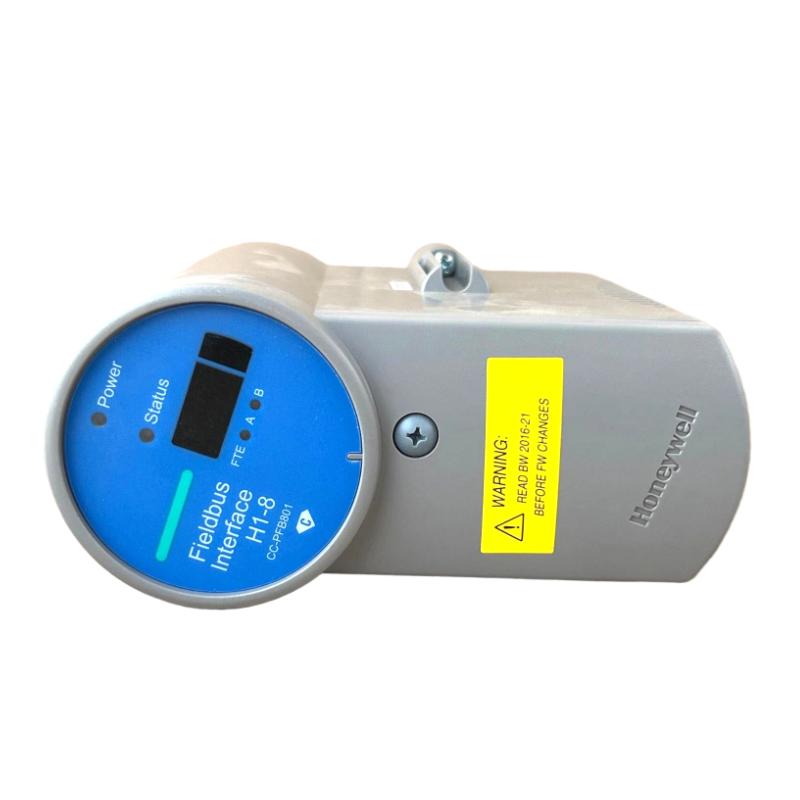
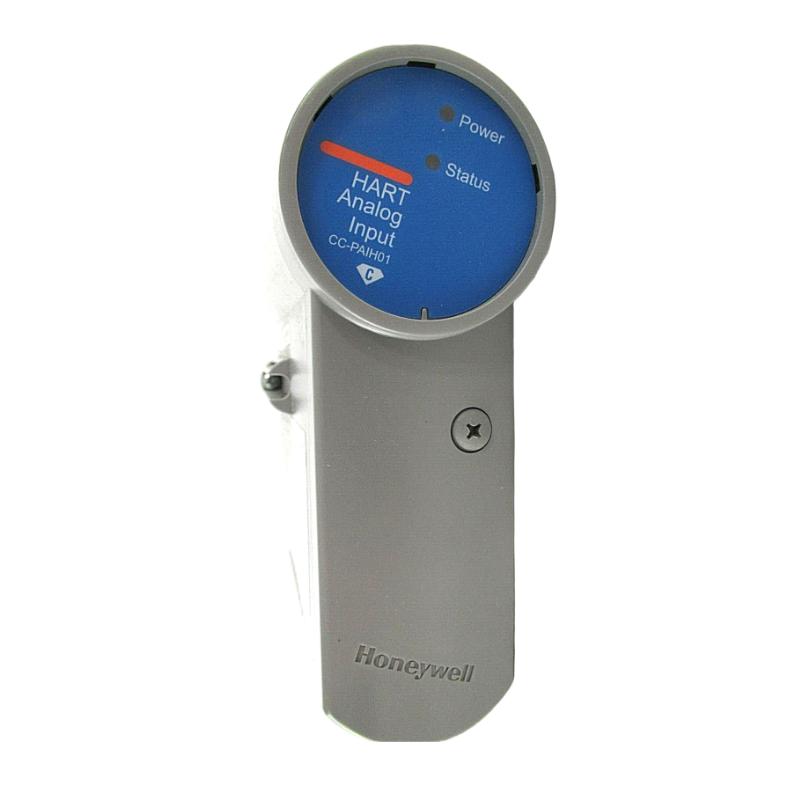
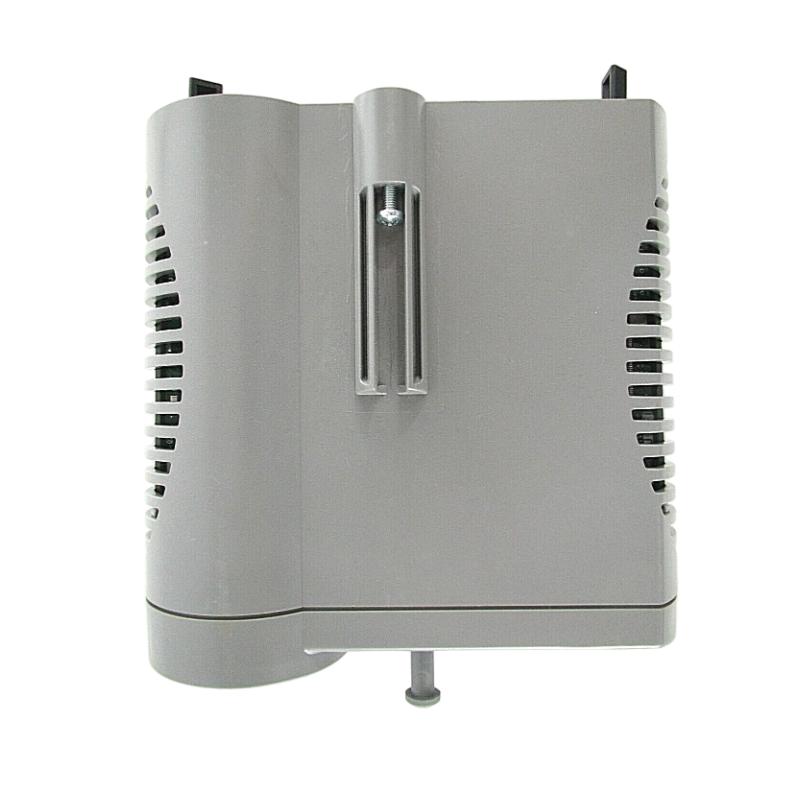
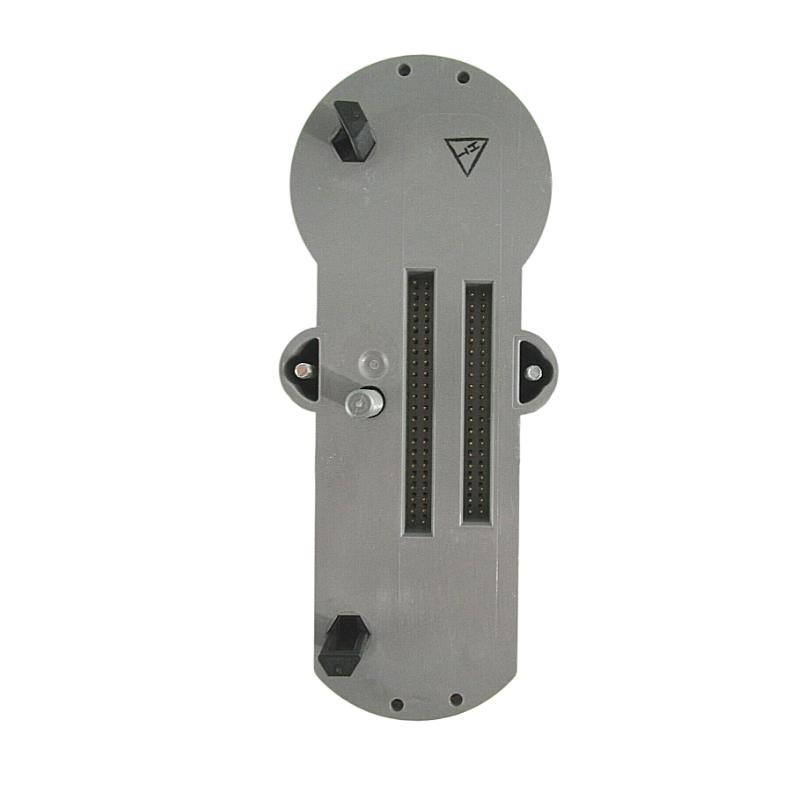
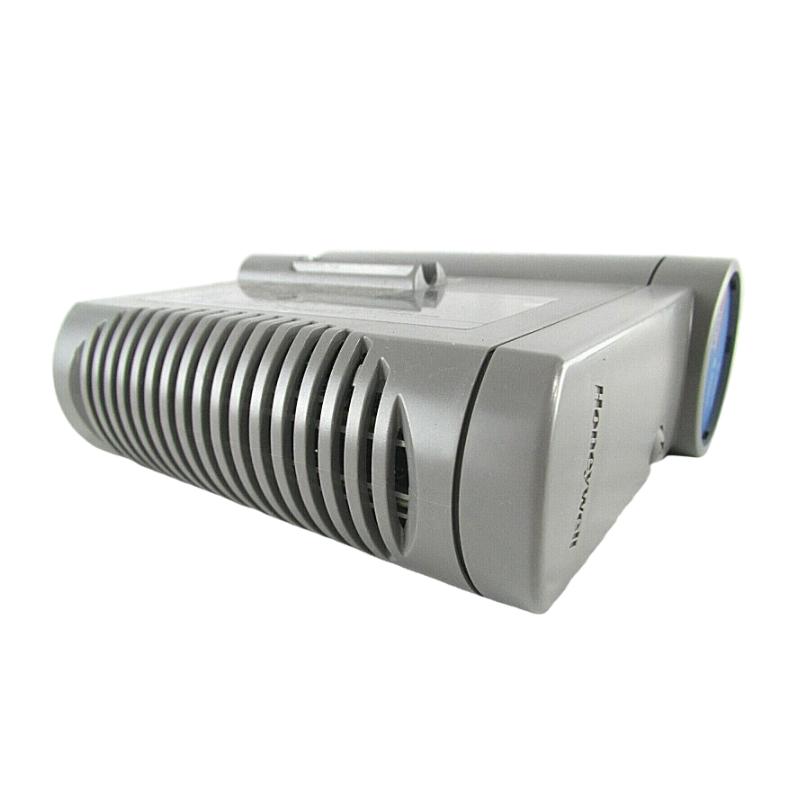
The Honeywell CC-PFE221 Controller Module is an advanced control module designed for integration into industrial automation and process control systems. As a critical component of Honeywell’s distributed control systems (DCS), the CC-PFE221 provides the essential computing power for managing complex processes, ensuring real-time control and monitoring. With robust communication interfaces and flexible programmability, it allows for precise control of field devices, making it an essential module in industries such as oil & gas, power generation, manufacturing, and chemical processing. Its reliability and performance contribute to improved system uptime, operational efficiency, and overall safety.
Technical Specifications
| Specification | Details |
|---|
| Model | Honeywell CC-PFE221 |
| Type | Controller Module |
| Dimensions | 63.5 x 124.46 x 307.34 mm |
| Weight | 0.3 kg |
| Power Supply | 24V DC (Nominal) |
| Mounting Type | DIN Rail Mounting |
| Communication Protocols | Multiple industrial protocols |
| Operating Temperature Range | -20°C to 70°C |
| Storage Temperature Range | -40°C to 85°C |
| Certifications | CE, RoHS, UL |
Applications
The Honeywell CC-PFE221 Controller Module is designed for demanding applications where reliable and flexible control is essential. Key applications include:
-
Industrial Automation: Enables central control and monitoring of automated systems, ensuring smooth integration of control elements like sensors, actuators, and controllers.
-
Process Control: Manages critical processes, such as chemical mixing or fluid regulation, providing accurate, real-time control for smooth operations in industries like chemical manufacturing and food processing.
-
Oil & Gas: Facilitates the control of critical equipment in oil rigs, pipelines, and refineries, ensuring safe and efficient operations in remote locations.
-
Power Generation: Controls and monitors the operation of key equipment in power plants, including turbines, generators, and substations, ensuring continuous and efficient power generation.
-
Building Management Systems: Used in building automation systems to manage heating, ventilation, air conditioning (HVAC), lighting, and security systems, optimizing energy efficiency and operational control.
-
Manufacturing: Integrates machinery and sensors for automated production lines, ensuring high precision, minimal downtime, and efficient production.
 A DCS Q Co., Ltd. - PLC and DCS Industrial Control Equipment Wholesale