Introduction
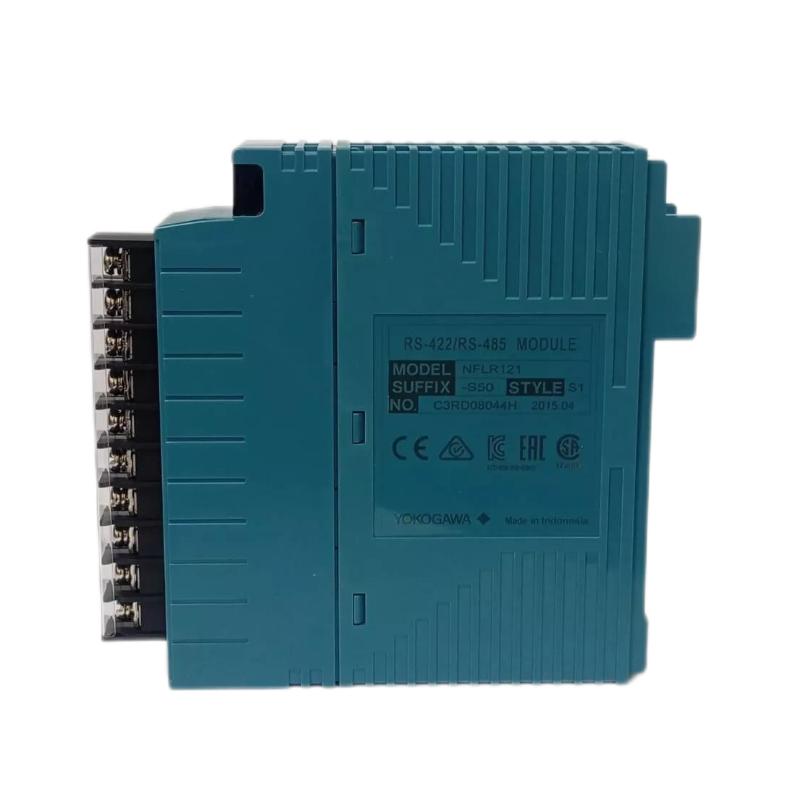
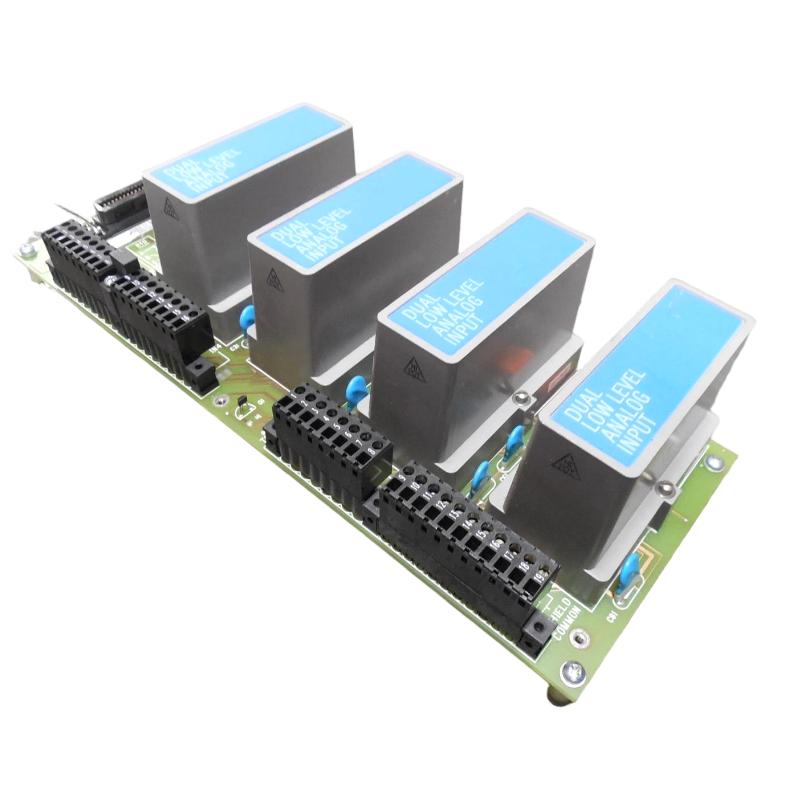
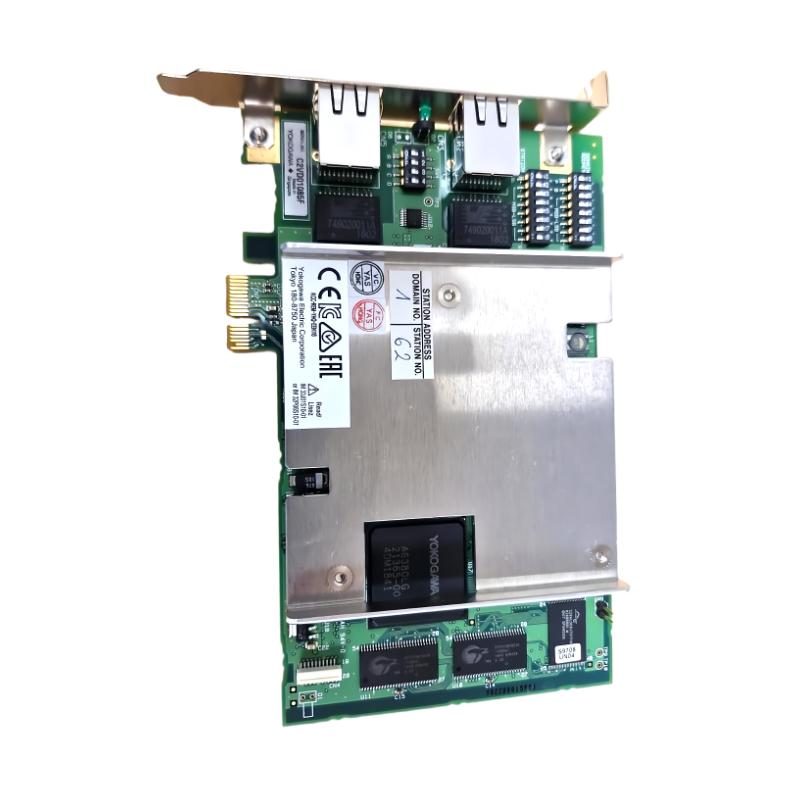
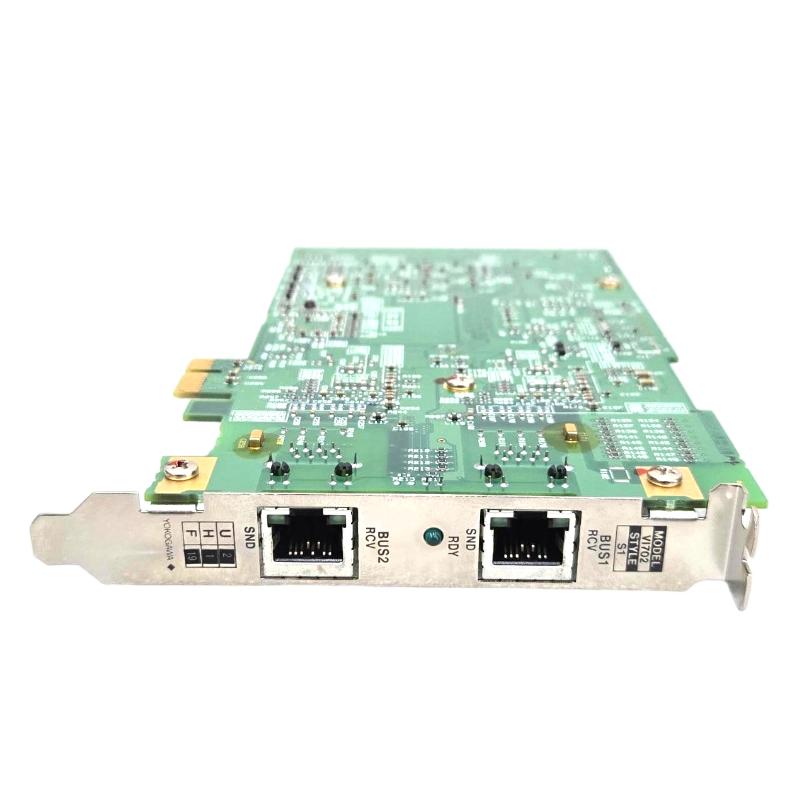
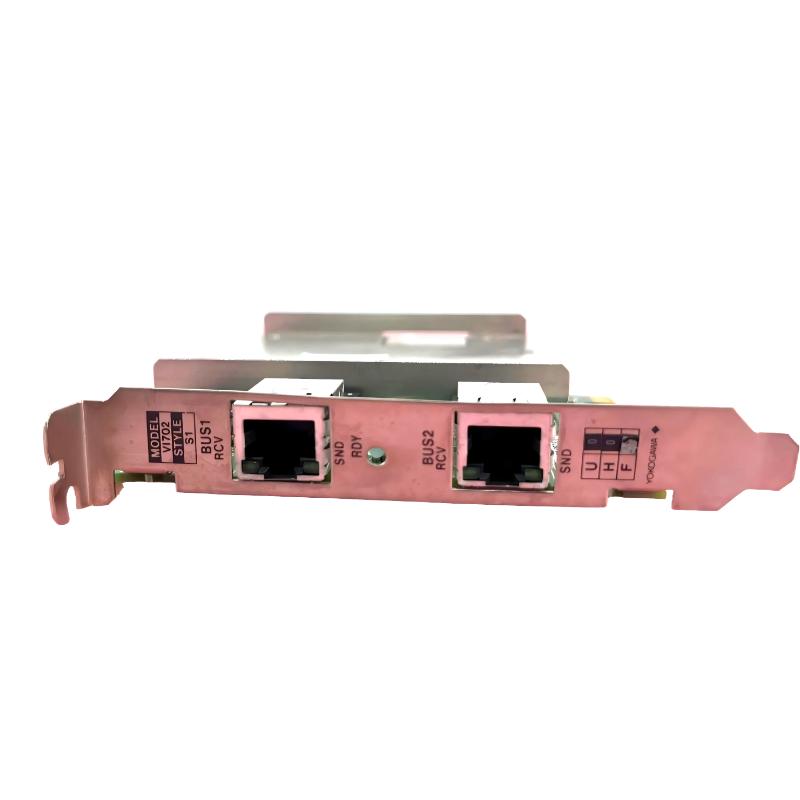
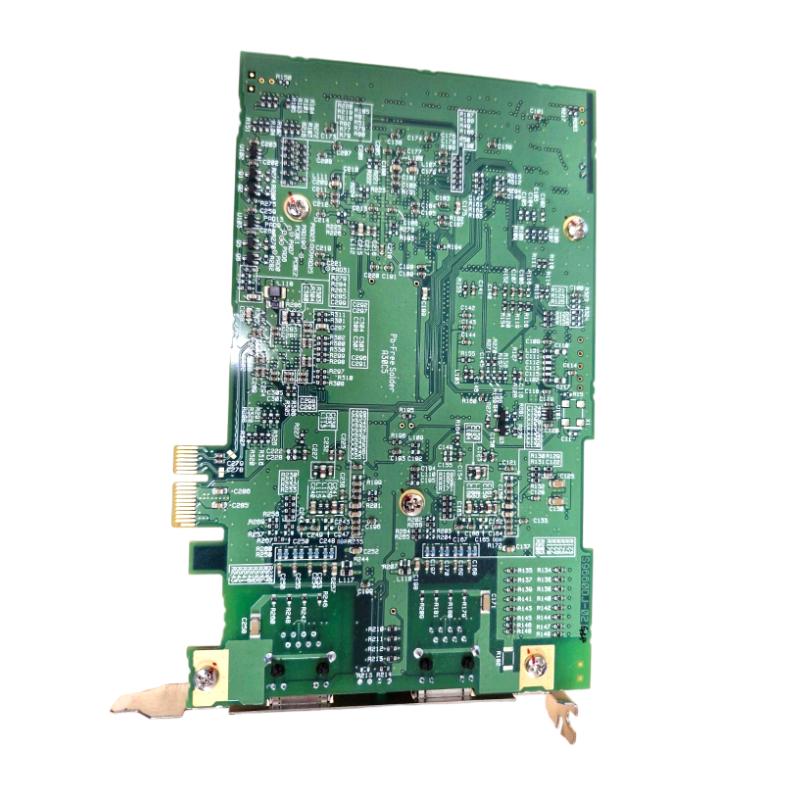
The Yokogawa VI702 Interface Card is a high-performance communication device designed to provide seamless connectivity between industrial control systems and peripheral devices. This interface card ensures reliable data exchange and enables effective communication across various subsystems within automation systems. The VI702 is built to meet the demands of modern industrial applications, offering compatibility with multiple communication protocols and supporting high-speed data transfer.
Compact and easy to integrate, the VI702 interface card is ideal for use in a wide range of applications, including process control, manufacturing automation, energy management, and infrastructure control. Its versatility and reliable performance make it a critical component in advanced automation systems.
Technical Specifications
| Specification | Value |
|---|
| Module Type | Interface Card |
| Dimensions | 180.97 x 21.59 x 126.31 mm |
| Weight | 0.18 kg |
| Communication Protocols | Modbus, Profibus, Fieldbus |
| Power Supply | 24V DC |
| Operating Temperature | -10°C to 60°C |
| Mounting Type | PCI Slot |
Applications
The Yokogawa VI702 Interface Card is designed for use in various industrial applications where reliable communication and data integration are crucial. Key applications include:
-
Manufacturing Automation: Enables reliable communication between different automated systems, improving synchronization and overall efficiency in production processes.
-
Process Control: Facilitates data exchange between field devices such as sensors and actuators, enabling precise control and monitoring in industries like chemicals, pharmaceuticals, and food processing.
-
Energy Management: Integrates with energy meters and sensors, allowing real-time monitoring of energy usage and optimization of energy consumption across large industrial systems.
-
Building Automation: Supports the integration of building management systems for controlling HVAC, lighting, and other essential systems in commercial and industrial buildings.
-
Infrastructure Control: Ensures seamless communication between control systems and peripheral devices in large-scale infrastructure projects, such as water treatment plants and power distribution systems.
 A DCS Q Co., Ltd. - PLC and DCS Industrial Control Equipment Wholesale