Introduction
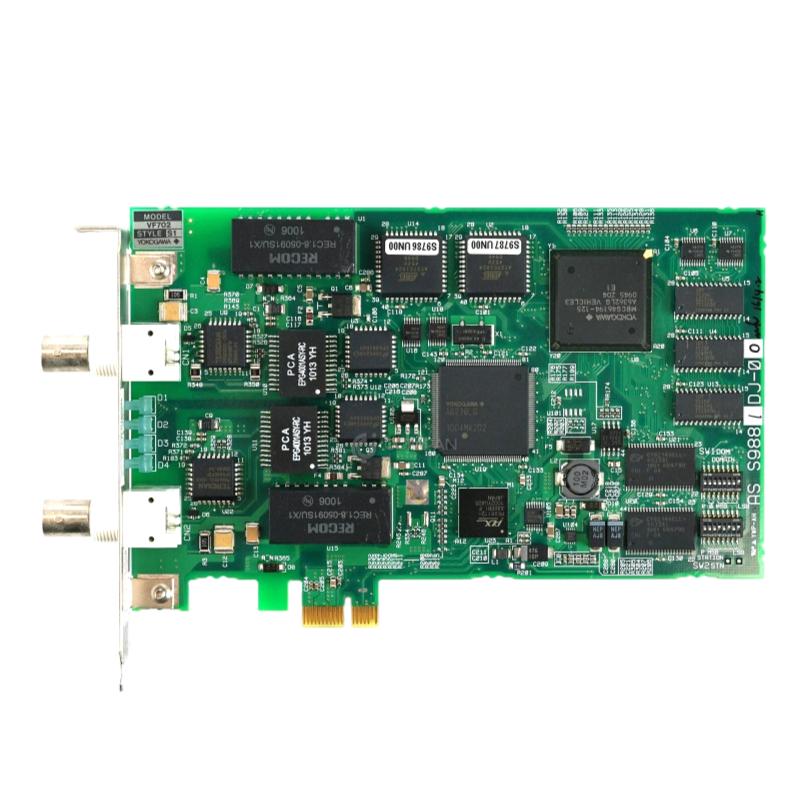
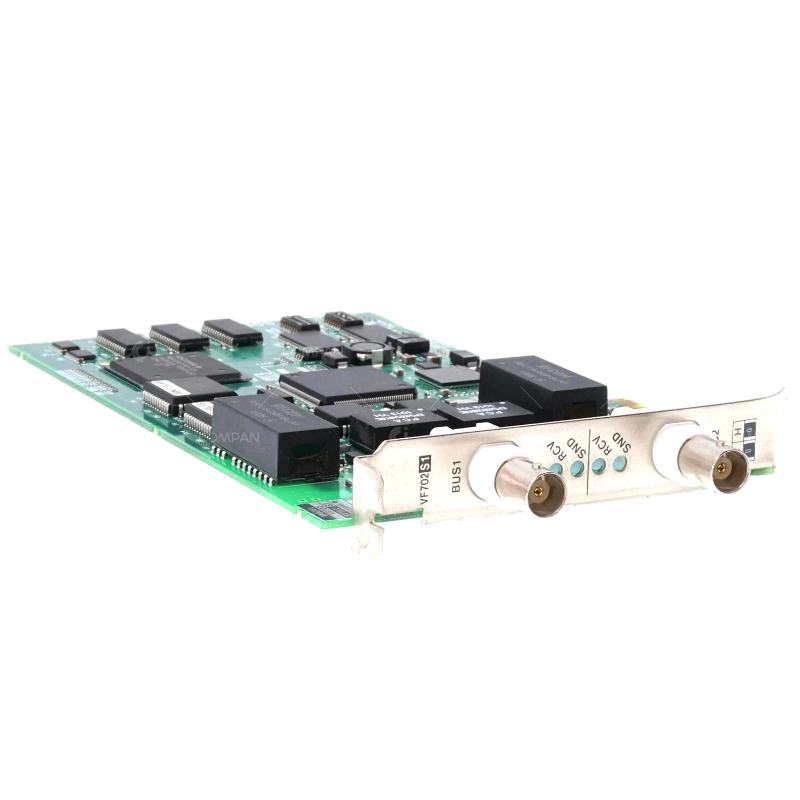
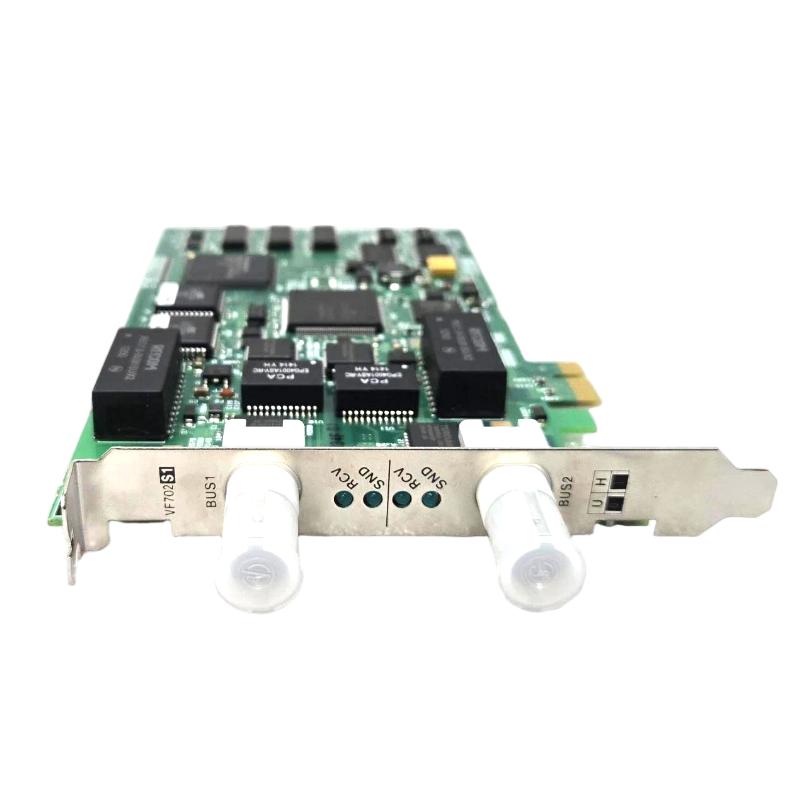
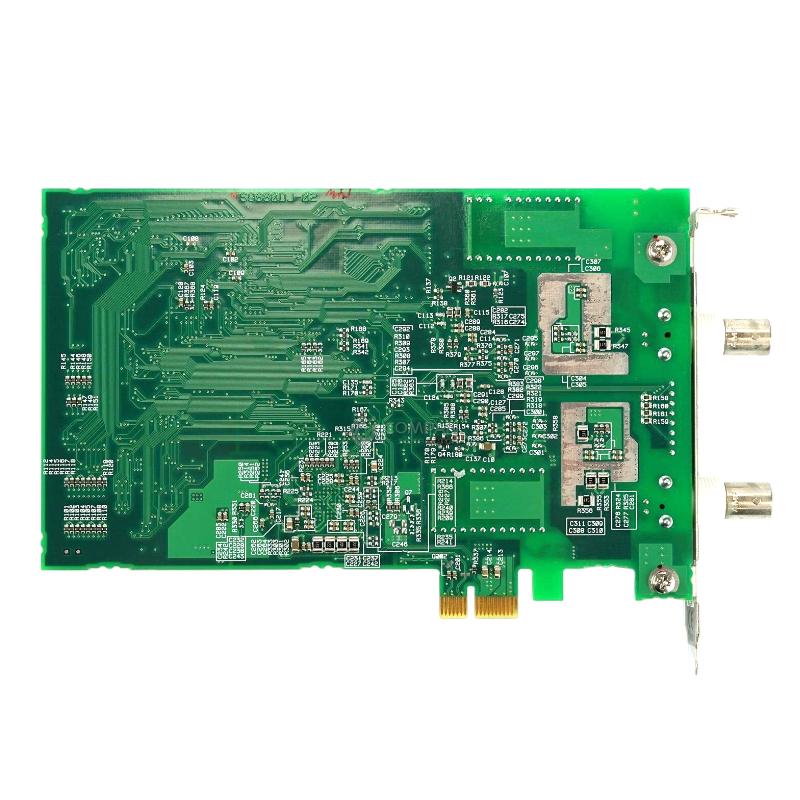
The Yokogawa VF702 Control Bus Interface Card is a high-performance interface card designed to enable seamless communication between controllers and field devices in industrial automation systems. As a bridge between different subsystems, it ensures reliable and efficient data transfer across multiple communication networks. The VF702 is engineered to provide flexibility, offering compatibility with a wide range of industrial communication protocols, making it a versatile solution for automation applications.
Compact, robust, and reliable, the VF702 plays a crucial role in industrial environments where real-time communication and high system reliability are critical. It is ideal for manufacturing, process control, energy management, and infrastructure automation.
Technical Specifications
| Specification | Value |
|---|
| Module Type | Control Bus Interface Card |
| Dimensions | 22 x 126.5 x 193.54 mm |
| Weight | 0.15 kg |
| Communication Protocols | Fieldbus, Modbus, Profibus |
| Power Supply | 24V DC |
| Operating Temperature | -10°C to 60°C |
| Mounting Type | PCI Slot |
Applications
The Yokogawa VF702 Control Bus Interface Card is versatile and supports a range of industrial applications where reliable data communication is critical. Key use cases include:
-
Manufacturing Automation: The VF702 ensures that production systems remain synchronized and efficient, improving overall factory output and reducing downtime.
-
Process Control: In industries like chemicals, pharmaceuticals, and food processing, it supports communication between field devices and control systems, enabling precise monitoring and control of complex processes.
-
Energy Management: The VF702 allows real-time integration with energy meters, sensors, and controllers, optimizing energy usage and reducing operational costs.
-
Building Automation: Facilitates the integration of HVAC, lighting, and other building systems with centralized control systems, improving energy efficiency and operational control in commercial and industrial buildings.
-
Infrastructure Control: Used in large-scale infrastructure projects, such as water treatment facilities and power distribution systems, to maintain reliable and efficient communication across systems.
 A DCS Q Co., Ltd. - PLC and DCS Industrial Control Equipment Wholesale