Introduction
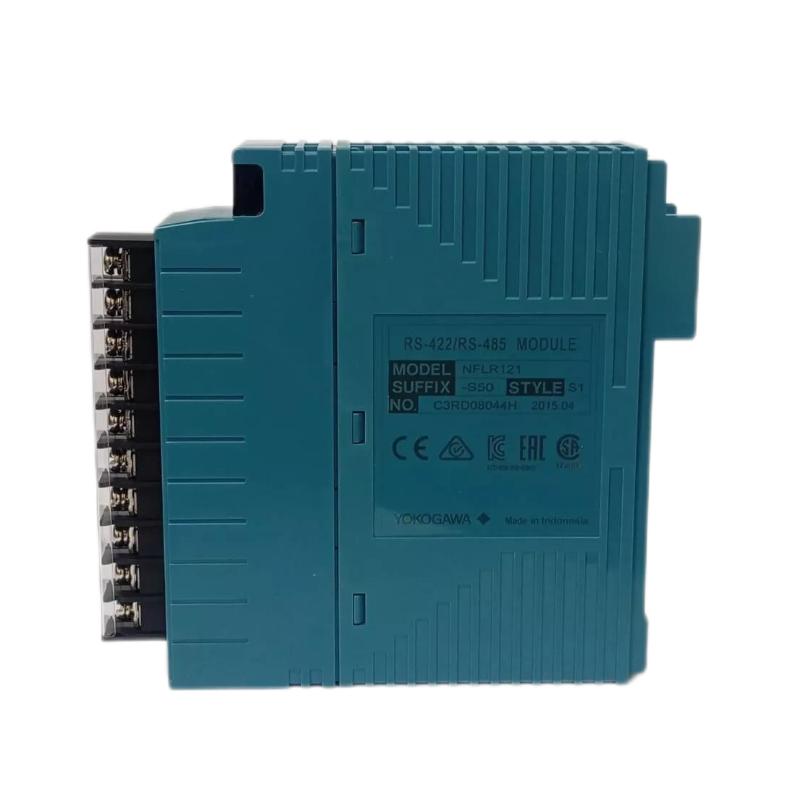
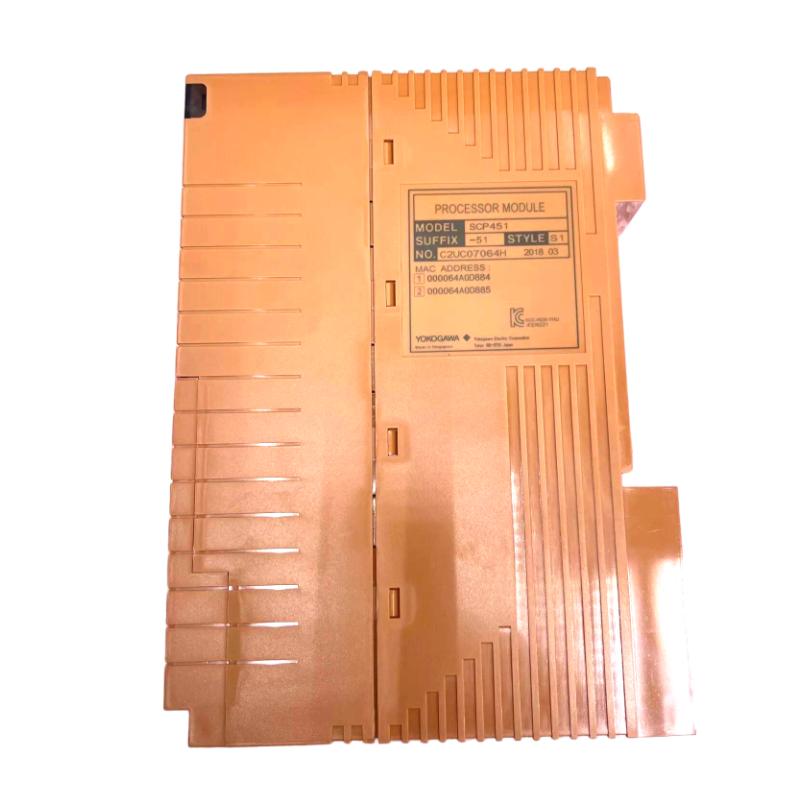
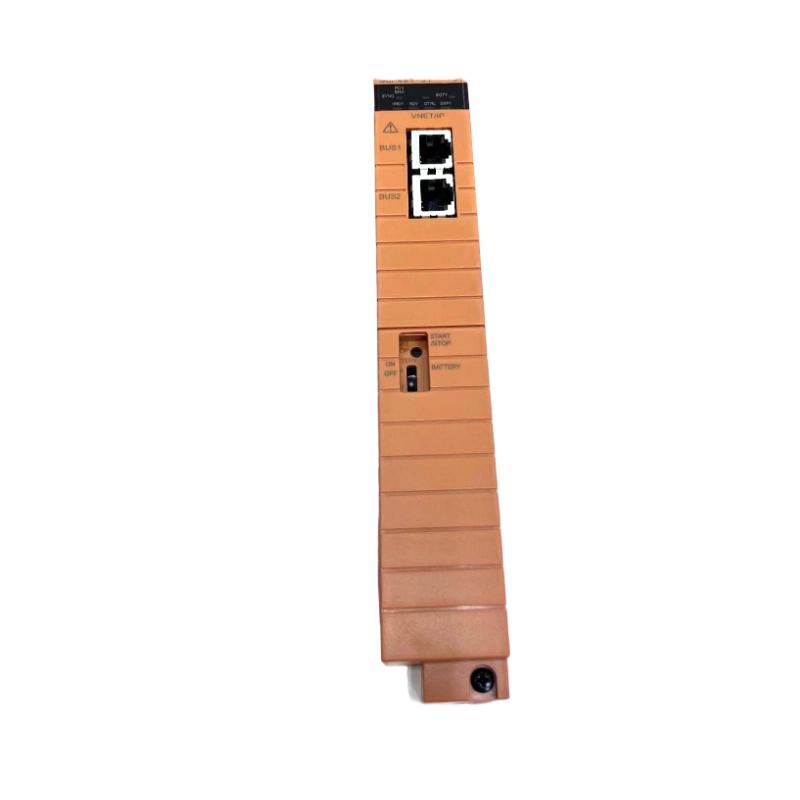
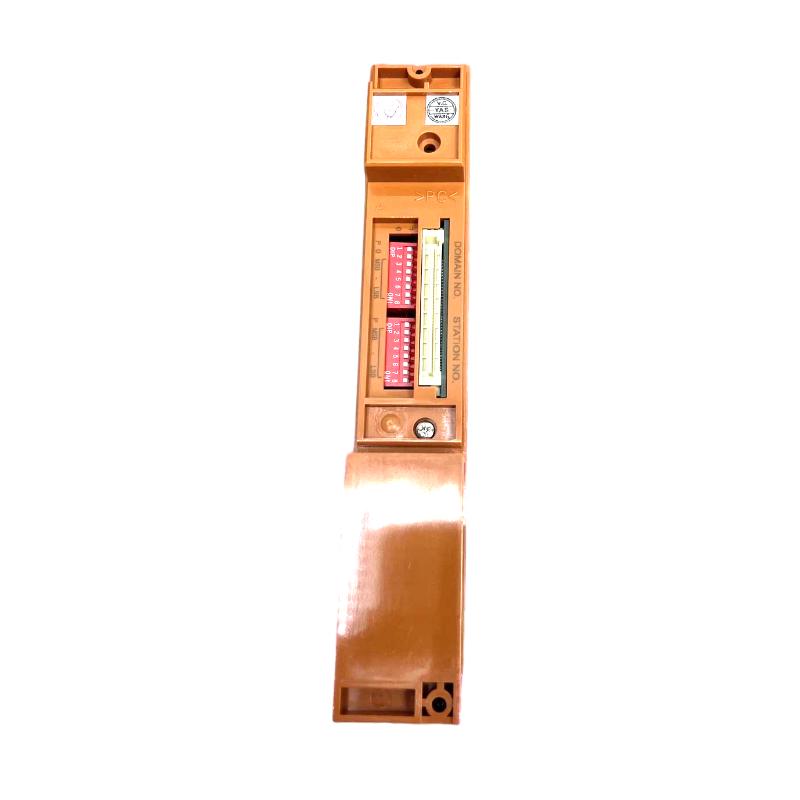
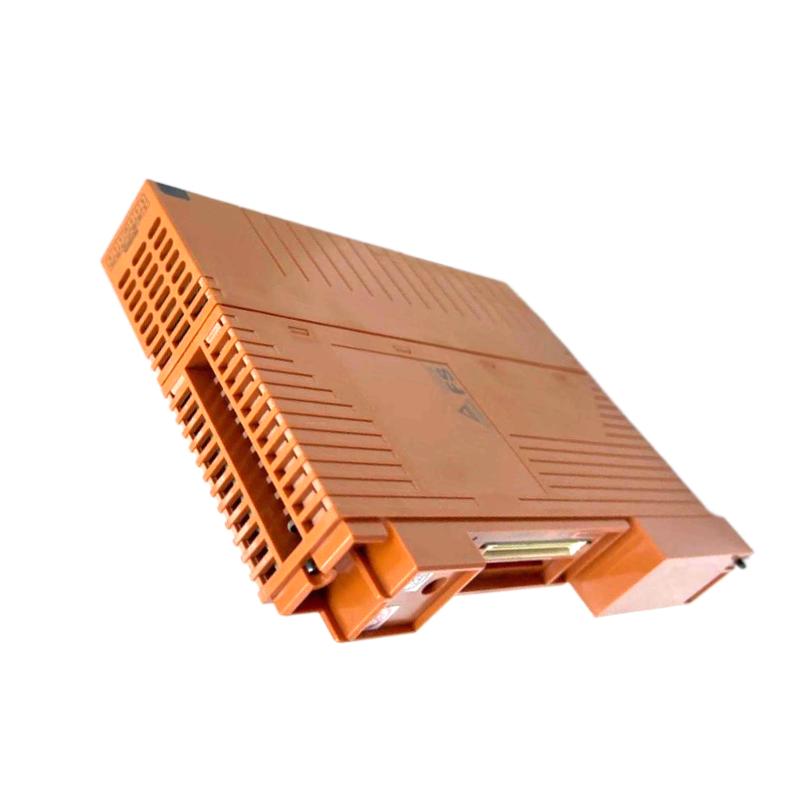
The Yokogawa SCP451-51 S1 Processor Module is a robust and high-performance processing unit designed to support complex industrial automation systems. With its advanced processing capabilities and reliable performance, the SCP451-51 S1 is ideal for controlling, monitoring, and optimizing industrial processes. This module is engineered to handle the demanding requirements of industries such as manufacturing, process control, energy management, and infrastructure systems.
The SCP451-51 S1 combines high-speed processing with large memory and storage, making it well-suited for real-time data processing and decision-making in mission-critical applications. Its flexible integration capabilities allow it to seamlessly work with other Yokogawa products and third-party automation solutions, ensuring system scalability and adaptability.
Technical Specifications
| Specification | Value |
|---|
| Processor Type | Dual-core processor |
| Memory | 1 GB RAM |
| Storage | 4 GB Flash Memory |
| Dimensions | 200 x 90 x 155 mm |
| Weight | 0.85 kg |
| Power Supply | 24V DC |
| Operating Temperature | -10°C to 60°C |
| Mounting Type | DIN Rail Mountable |
Applications
The Yokogawa SCP451-51 S1 Processor Module is designed to support a wide range of industrial applications that require high-speed data processing, control, and integration. Some key applications include:
-
Manufacturing Automation: Used to manage and optimize automated production lines, the SCP451-51 S1 helps ensure operational efficiency, quality control, and process consistency.
-
Process Control: In industries such as chemicals, pharmaceuticals, and oil & gas, this module provides real-time data processing for controlling complex processes and maintaining operational standards.
-
Energy Management: Supports energy monitoring and optimization by processing data from various sensors and energy meters, helping to reduce energy consumption and enhance cost efficiency.
-
Building Automation: The module integrates with HVAC, lighting, and security systems, enabling centralized control and monitoring of building infrastructure for optimized performance and resource utilization.
-
Infrastructure Control: Ideal for infrastructure projects such as water treatment plants, transportation networks, and power grids, where high reliability and data processing are critical for effective system management.
 A DCS Q Co., Ltd. - PLC and DCS Industrial Control Equipment Wholesale