Introduction
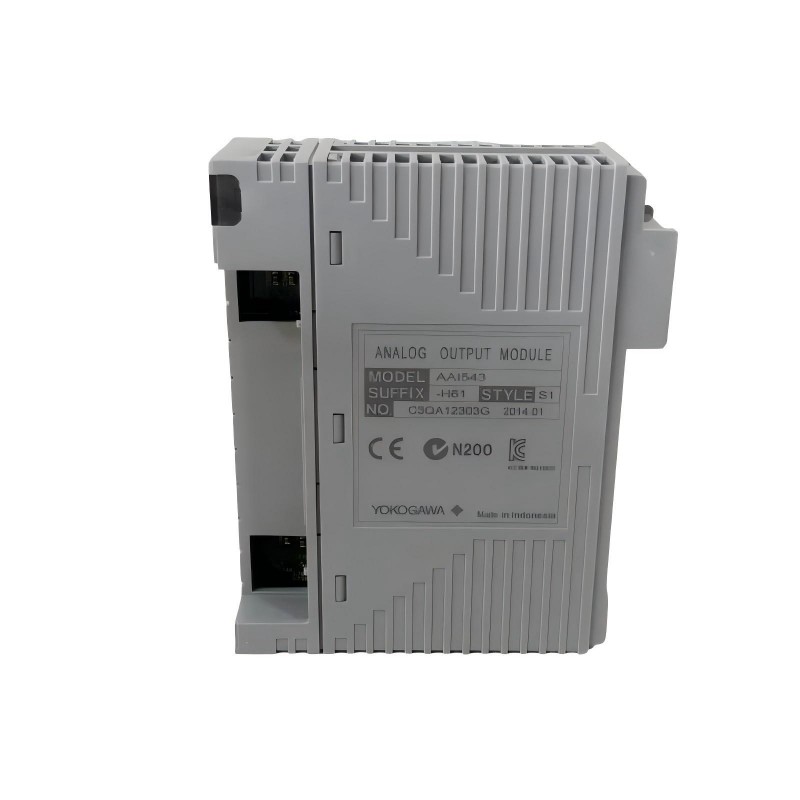
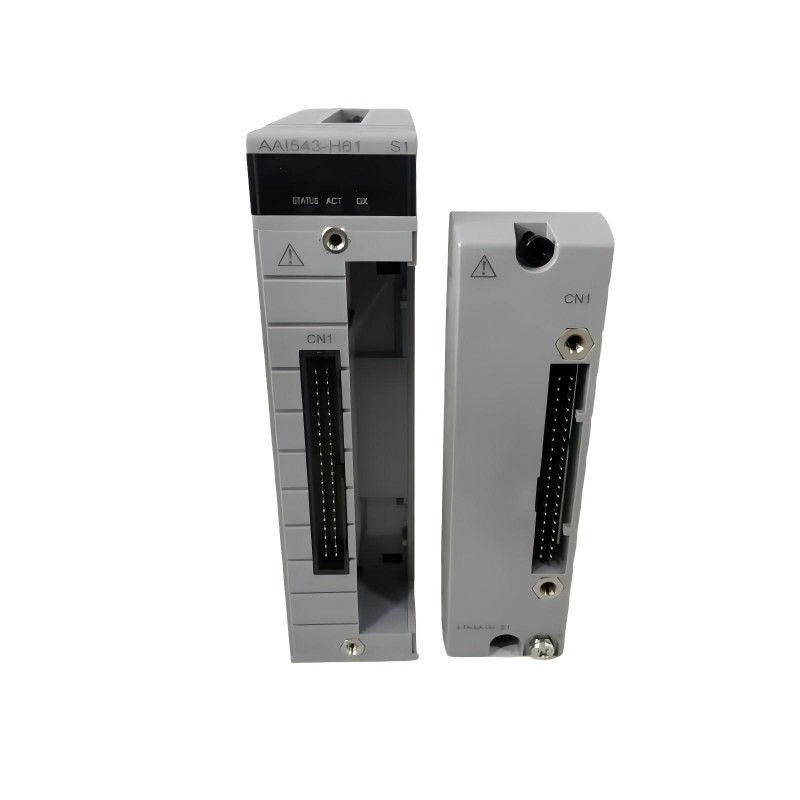
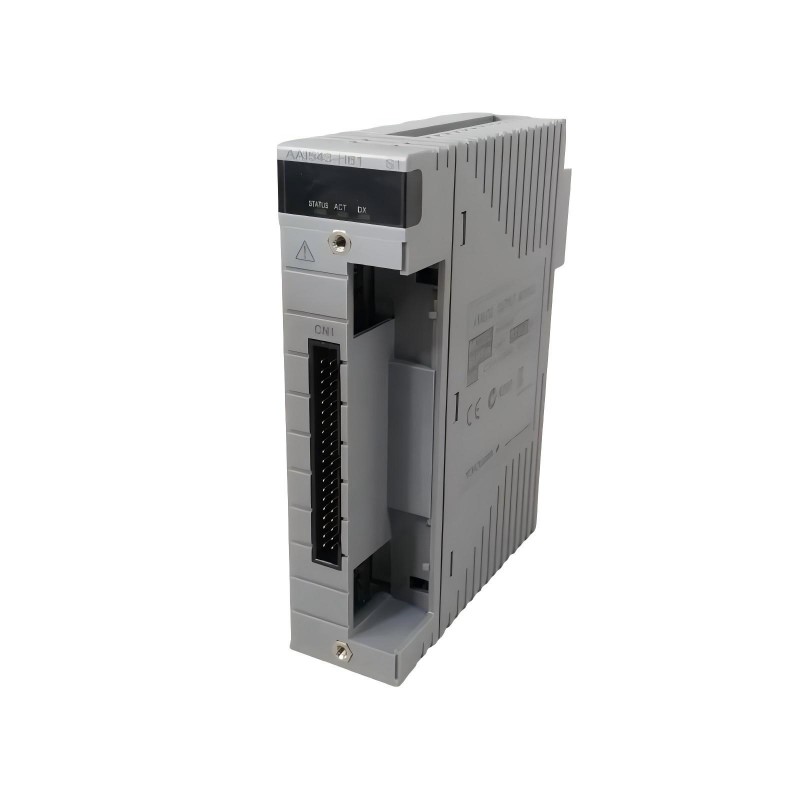
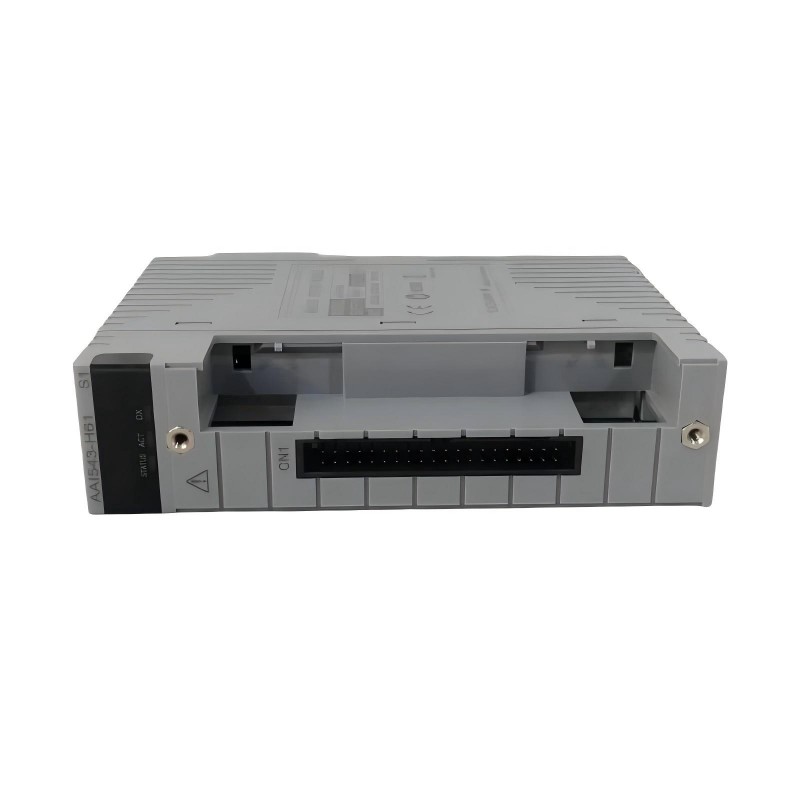
The Yokogawa AAI543-H61 Analog Output Module is intended for control system designs that demand dependable analog signal delivery with minimal operational variability. Acting as the final link between the controller and field devices, this module plays a critical role in translating control strategies into physical process movement. Its engineering emphasis is placed on stability, repeatability, and long-term reliability rather than feature complexity.
Within Yokogawa’s analog I/O family, the AAI543-H61 is positioned as a practical, field-proven solution for continuous industrial environments.
Technical Specifications
| Item | Description |
|---|
| Module Type | Analog Output Module |
| Output Capability | Industrial standard analog output |
| Channel Design | Multi-channel configuration |
| Isolation | Electrical isolation between field and system |
| Installation Method | Rack-mounted I/O module |
| Dimensions | 107.5 × 32.8 × 130 mm (H x W x D) |
| Weight | 0.4 kg |
Technical FAQs
1. What is the primary function of the AAI543-H61 module?
It provides analog output signals from the controller to field-level devices.
2. Which types of devices typically receive its output?
Control valves, actuators, and other analog-driven instruments commonly connect to it.
3. Is the module suitable for critical process control?
Yes, it is designed for applications where output stability is essential.
4. How does it maintain consistent signal quality?
Through stable internal circuitry and electrical isolation.
5. Can it operate in harsh industrial environments?
Yes, it is built to perform reliably under typical industrial electrical conditions.
6. Does it require frequent maintenance?
No, routine system inspection is generally sufficient.
7. How is the module configured during commissioning?
Configuration is handled via the host control system engineering tools.
8. Is the module appropriate for continuous 24/7 operation?
Yes, it is designed specifically for nonstop industrial use.
9. Can it be integrated into existing Yokogawa systems?
It is designed for seamless integration within compatible Yokogawa platforms.
10. Is it suitable for system expansion projects?
Yes, its standardized design supports straightforward expansion.
 A DCS Q Co., Ltd. - PLC and DCS Industrial Control Equipment Wholesale