Introduction
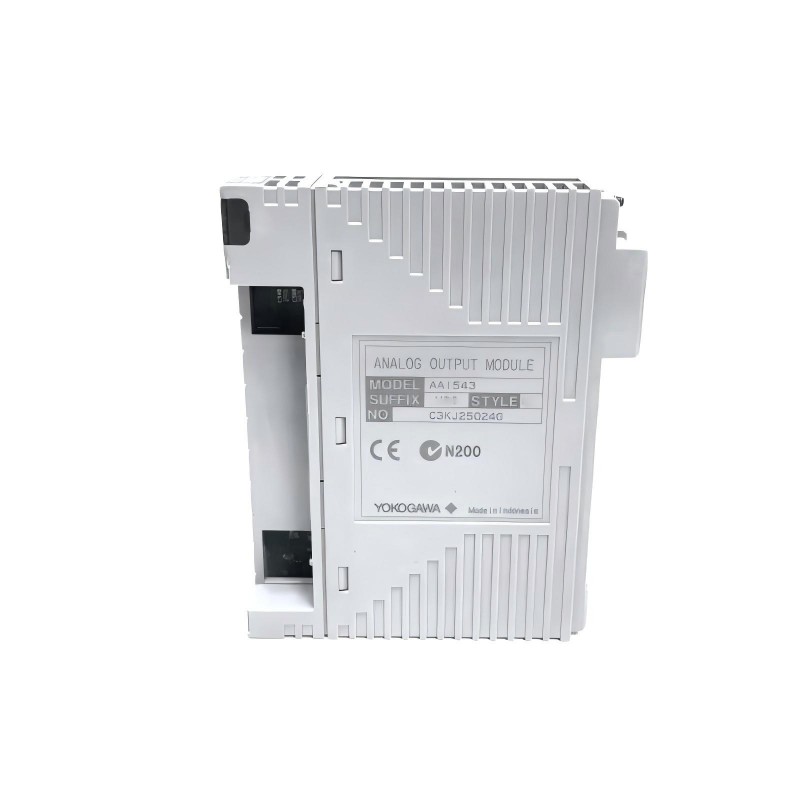
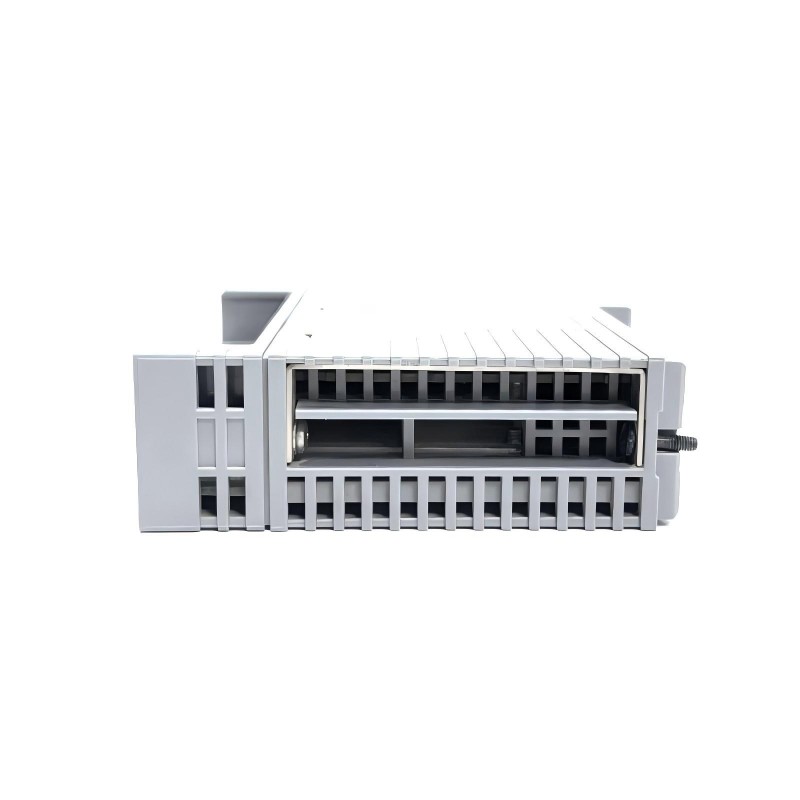
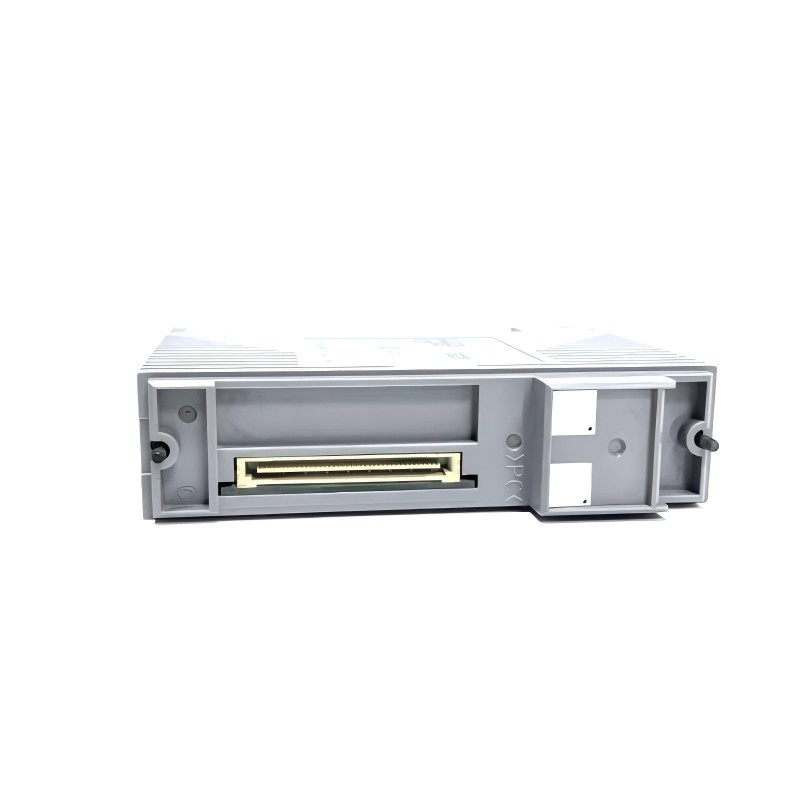
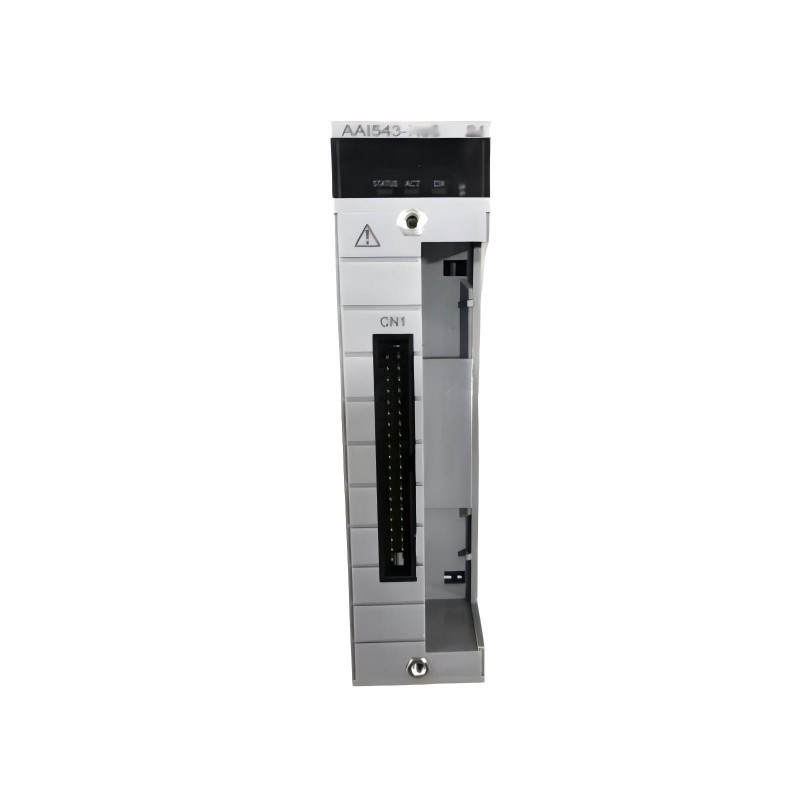
The Yokogawa AAI543-H60 S1 Analog Output Module is developed for process control systems where output fidelity and operational continuity are non-negotiable. Oriented toward large-scale industrial automation, this module focuses on delivering stable analog signals that translate controller intent into precise field action. Its design philosophy aligns with control system longevity: conservative electrical margins, predictable behavior, and compatibility across established Yokogawa architectures.
Rather than emphasizing configurability alone, the AAI543-H60 S1 prioritizes signal trustworthiness—an essential attribute in plants where control deviations carry real operational risk.
Technical Specifications
| Item | Description |
|---|
| Module Type | Analog Output Module |
| Output Characteristics | Industrial standard analog output |
| Channel Structure | Multi-channel configuration |
| Electrical Design | Field-to-system electrical isolation |
| Installation Method | Rack-mounted I/O module |
| Dimensions | 107.5 × 32.8 × 130 mm (H x W x D) |
| Weight | 0.4 kg |
Technical FAQs
1. What is the main purpose of the AAI543-H60 S1 module?
It provides reliable analog output signals from the control system to field-level devices.
2. Which types of devices typically receive signals from this module?
Control valves, actuators, and analog-driven positioning equipment are common recipients.
3. Is this module suitable for high-availability plants?
Yes, it is designed to operate continuously in environments where downtime must be minimized.
4. How does the module contribute to control loop stability?
By delivering consistent, low-noise output signals that accurately reflect controller commands.
5. Can it be deployed in electrically harsh environments?
Its isolation and internal design help maintain performance despite electrical disturbances.
6. Does the module require frequent recalibration?
Under normal operating conditions, routine recalibration is not required.
7. How is configuration managed during commissioning?
Configuration is handled through the host Yokogawa engineering and control tools.
8. Is this module intended for fast or slow control loops?
It is well suited for both, with particular strengths in steady and continuous process control.
9. Can it be reused in system upgrade projects?
Yes, its standardized design supports reuse and expansion within compatible systems.
10. What role does the S1 designation play?
It indicates conformity with Yokogawa’s standardized hardware and quality framework for system consistency.
 A DCS Q Co., Ltd. - PLC and DCS Industrial Control Equipment Wholesale