Introduction
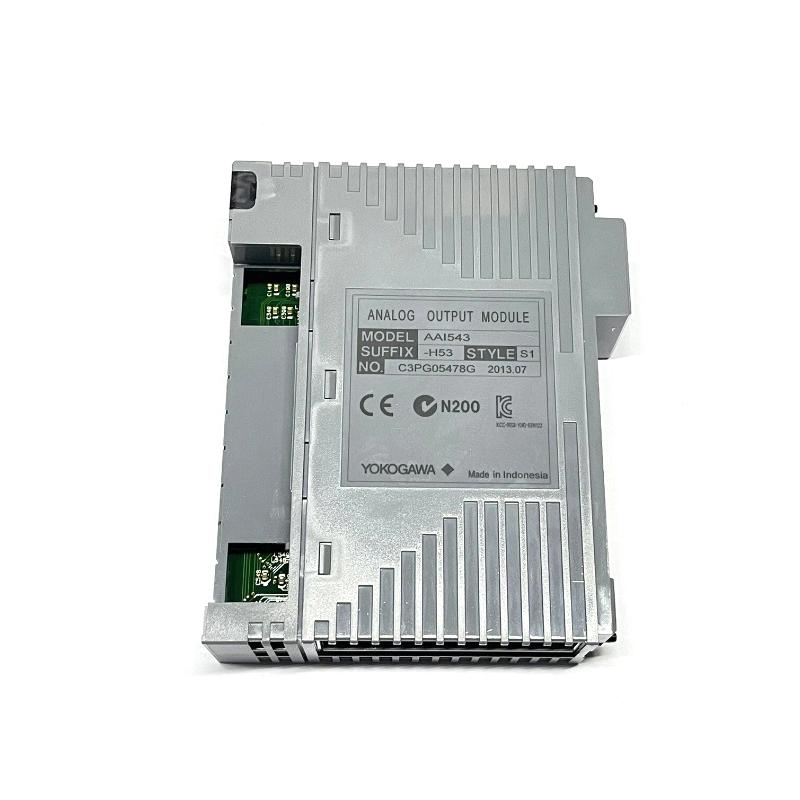
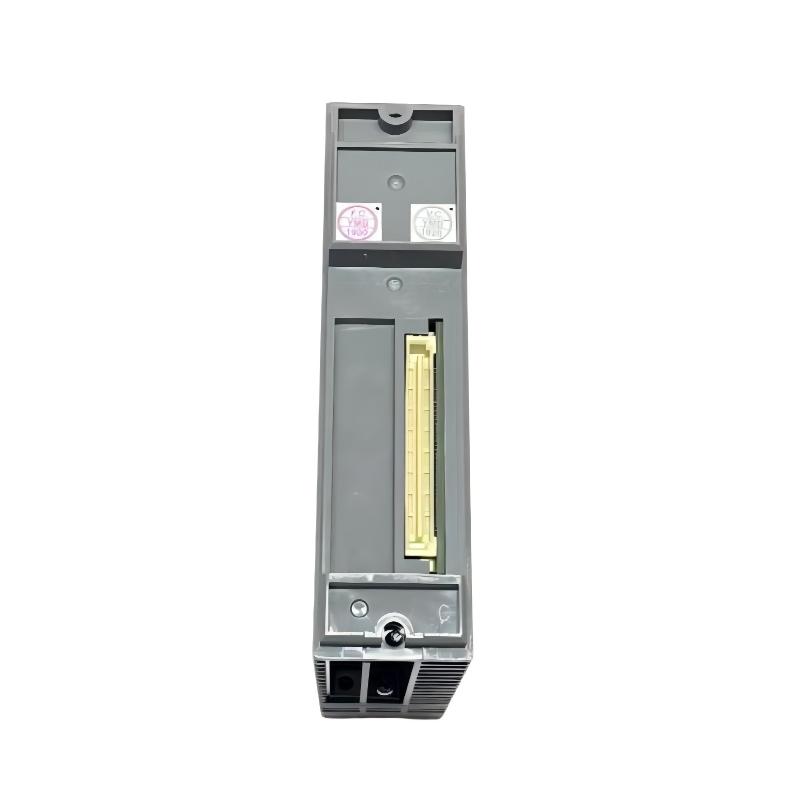
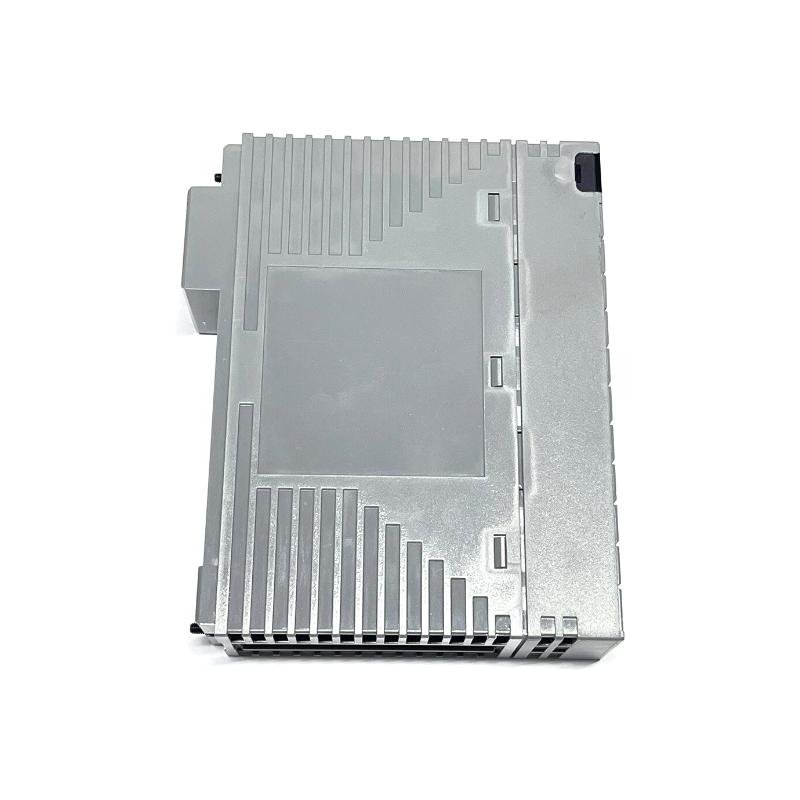
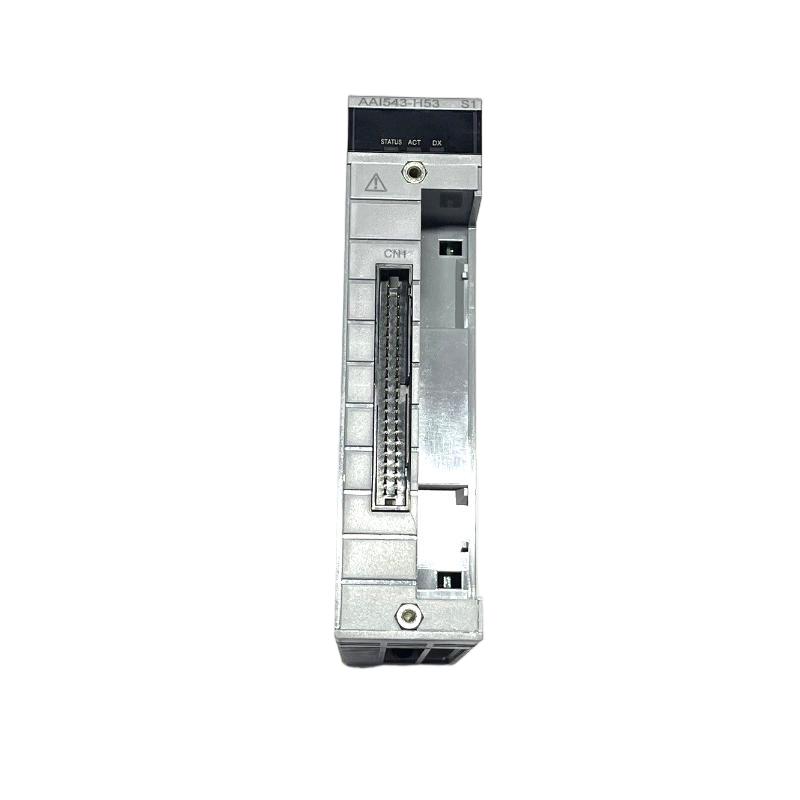
The Yokogawa AAI543-H53 S1 Analog Output Module is built for control engineers who prioritize repeatability, signal integrity, and operational stability. Positioned within Yokogawa’s analog I/O lineup, this module is intended to deliver dependable output signals to field devices that directly influence process behavior. Its design reflects a practical engineering philosophy: predictable performance under continuous load, straightforward integration, and minimal lifecycle intervention.
Rather than focusing on feature complexity, the module emphasizes control reliability—making it well suited for plants where analog accuracy and uptime outweigh configuration novelty.
Technical Specifications
| Item | Description |
|---|
| Module Type | Analog Output Module |
| Output Function | Standard industrial analog output |
| Channel Design | Multi-channel architecture |
| Isolation Concept | Electrical isolation between field and system |
| Mounting Method | Rack-based installation |
| Dimensions | 107.5 × 32.8 × 130 mm (H x W x D) |
| Weight | 0.4 kg |
Technical FAQs
1. What distinguishes the S1 version of this module?
It follows Yokogawa’s standardized hardware and quality framework, ensuring consistent behavior and compatibility within supported systems.
2. What is the main function of this module?
It converts controller output commands into analog signals suitable for driving field devices.
3. Which field devices are commonly connected?
Typical devices include control valves, actuators, and signal converters.
4. Is the module appropriate for continuous process plants?
Yes, it is designed for nonstop operation in high-availability environments.
5. How does the module maintain output stability?
Through stable internal reference circuits and controlled electrical design.
6. Can it operate in electrically noisy installations?
Yes, isolation and noise suppression measures are incorporated to protect signal quality.
7. Is special maintenance required during operation?
No special procedures are required beyond normal system inspection practices.
8. How is configuration handled during commissioning?
All configuration is performed through the host control system’s engineering tools.
9. Can this module be used in expansion projects?
Its standardized form factor supports incremental I/O expansion without redesign.
10. Is it suitable for precision control loops?
Yes, it is commonly used where smooth, accurate analog control is required.
 A DCS Q Co., Ltd. - PLC and DCS Industrial Control Equipment Wholesale