Introduction
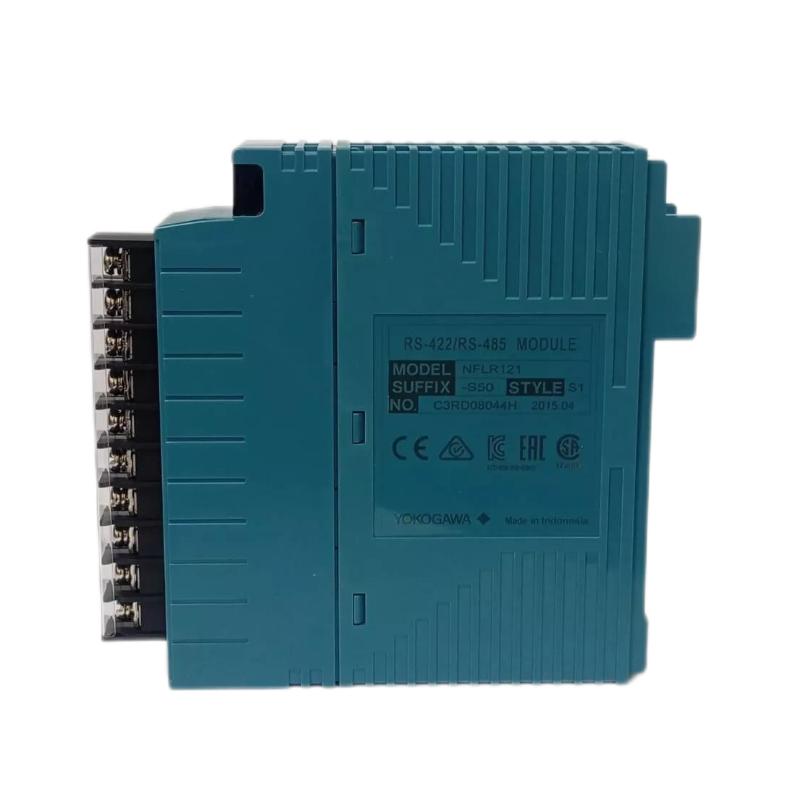
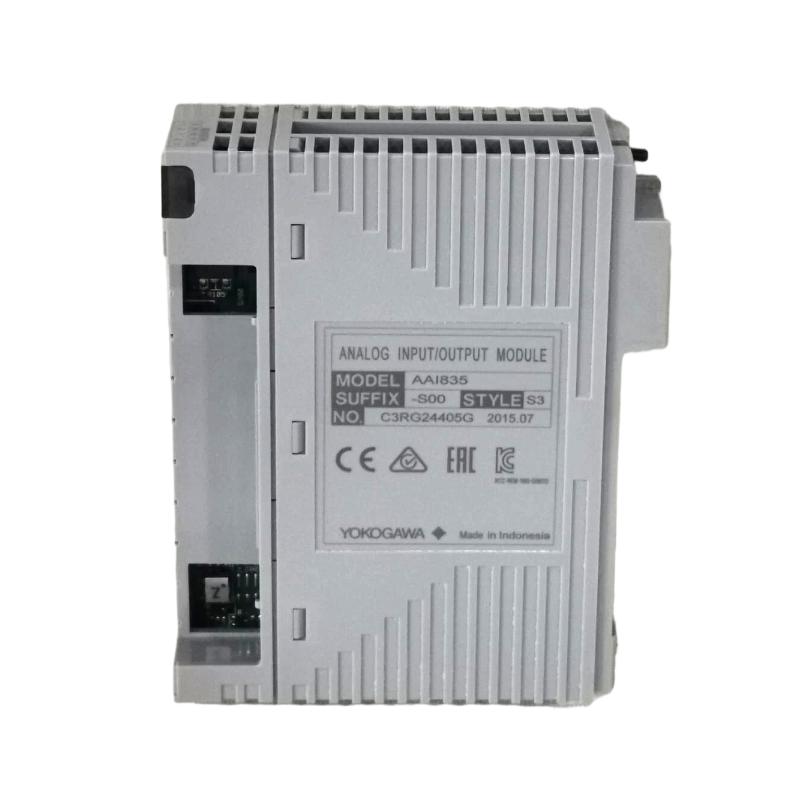
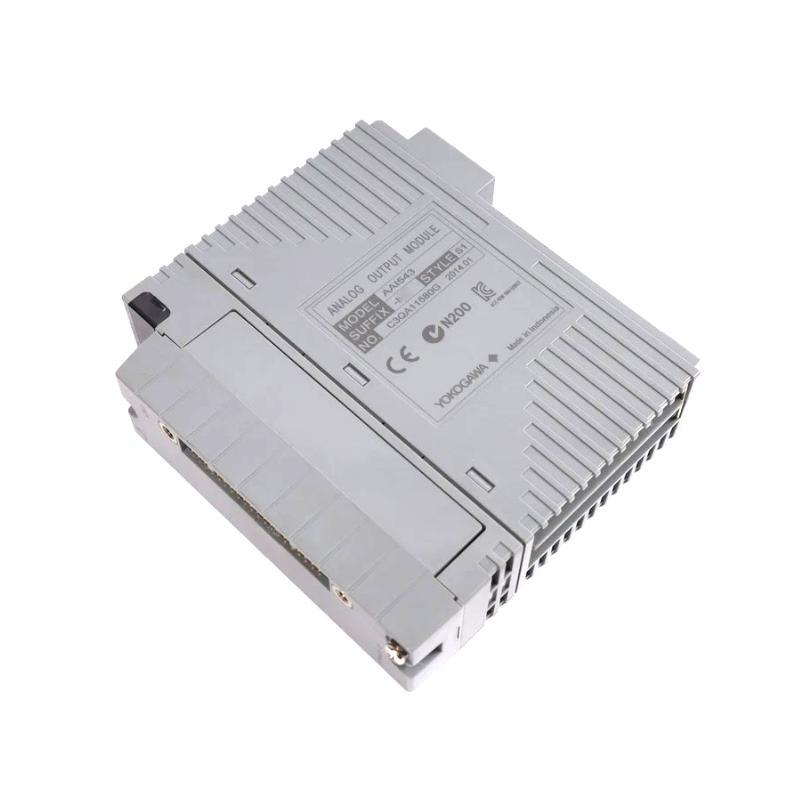
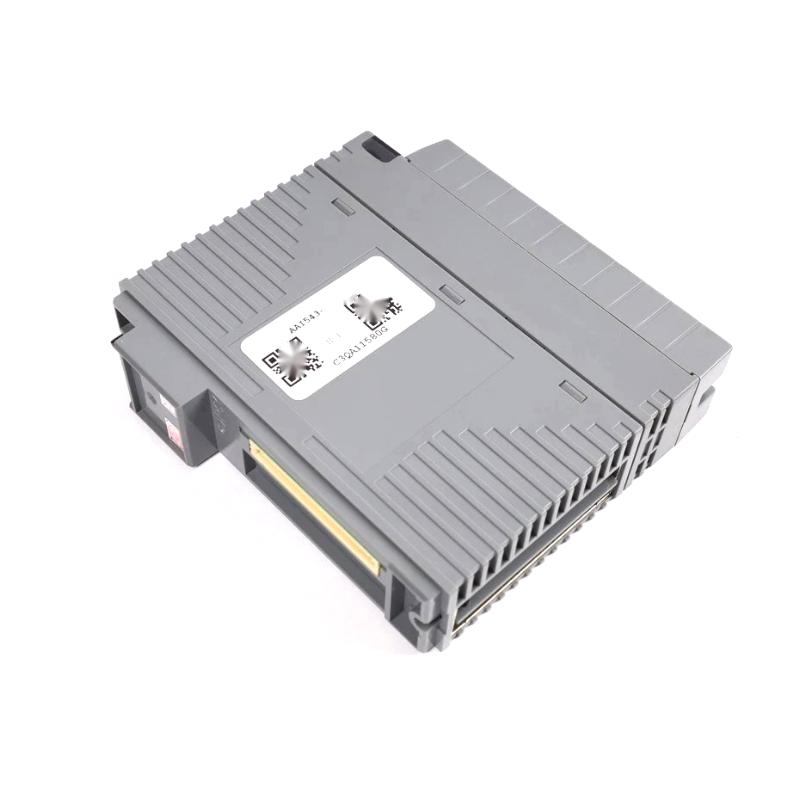
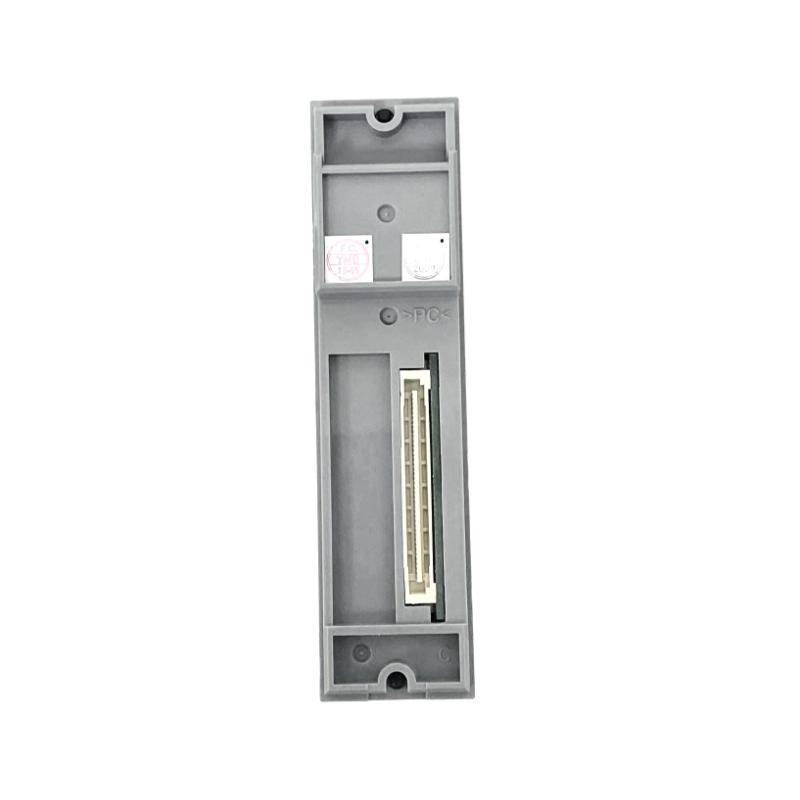
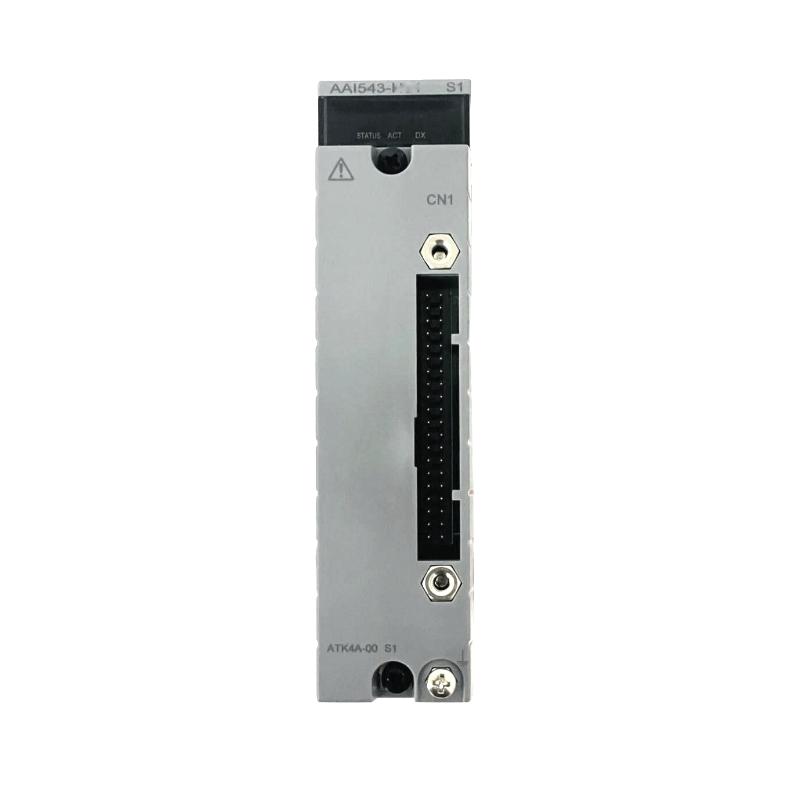
The Yokogawa AAI543-H53/K4A00 Analog Output Module is engineered for precise and stable signal transmission within distributed control systems. It is intended for industrial environments where analog output accuracy directly influences process quality, safety, and efficiency. By focusing on deterministic behavior and electrical robustness, this module supports long-term operation in continuous production facilities.
Designed as part of Yokogawa’s proven I/O portfolio, the module emphasizes consistency, ease of integration, and predictable performance across a wide range of control applications.
Technical Specifications
| Item | Description |
|---|
| Module Type | Analog Output Module |
| Output Function | Industrial standard analog output |
| Channel Configuration | Multi-channel |
| Electrical Isolation | Field-side and system-side isolation |
| Installation | Control system rack mounting |
| Dimensions | 107.5 × 32.8 × 130 mm (H x W x D) |
| Weight | 0.4 kg |
Technical FAQs
1. What is the primary role of this module in a control system?
It converts digital control commands from the controller into stable analog signals for field devices.
2. Which types of field equipment typically connect to this module?
Commonly connected devices include control valves, actuators, and I/P converters.
3. Is the module designed for continuous operation?
Yes, it is built for nonstop industrial use with high availability requirements.
4. How does the module handle electrical noise?
Isolation and internal filtering help protect signal integrity in electrically noisy environments.
5. Can the module be integrated into existing Yokogawa systems?
It is designed to integrate directly with compatible Yokogawa DCS and I/O architectures.
6. Does it require frequent calibration?
Under normal operating conditions, recalibration is not routinely required.
7. How is configuration managed?
All configuration and parameter settings are handled through the host control system tools.
8. Is the module suitable for critical control loops?
Yes, it is commonly used in loops where output stability and repeatability are essential.
9. What maintenance practices are recommended?
Periodic inspection and system diagnostics are generally sufficient.
10. Can this module support future system expansion?
Its standardized design allows easy scaling as control system requirements grow.
 A DCS Q Co., Ltd. - PLC and DCS Industrial Control Equipment Wholesale